
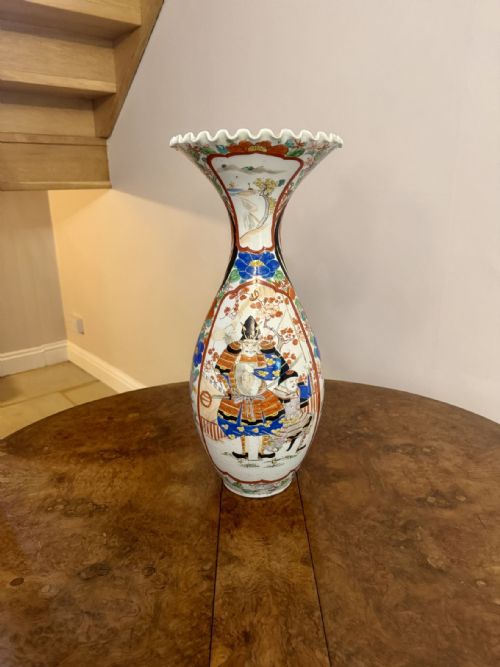
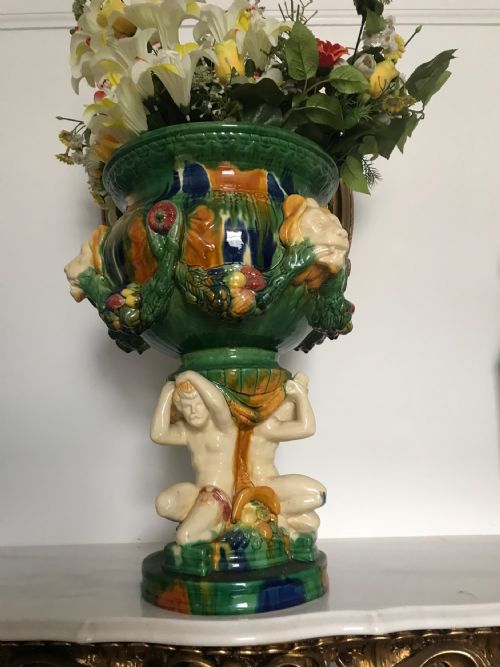

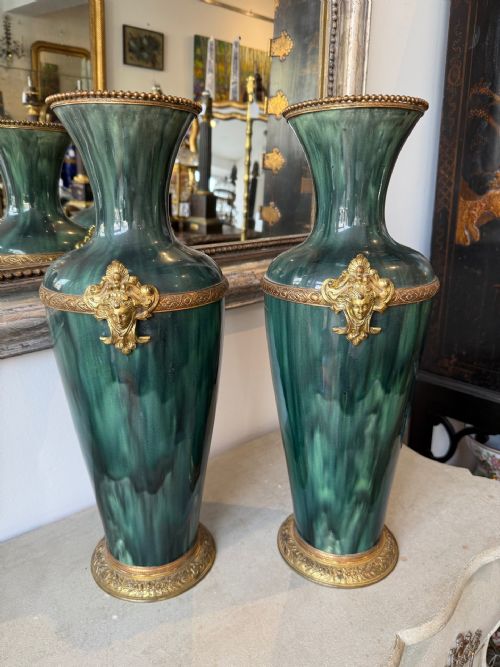


Large Decorative Ceramic Urn
A large decorative ceramic urn brings scale and colour to a room, offering substantial presence through classic forms and rich glazes.
Large Decorative Ceramic Urn
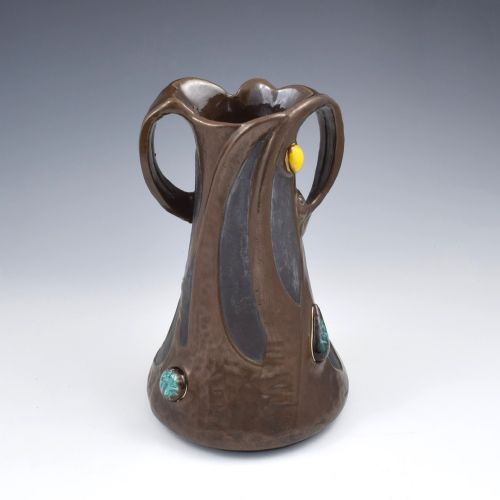
A large decorative ceramic urn encompasses substantial vessels, floor standing vases, ginger jars, and covered pots designed primarily for display rather than utility. When searching this phrase, buyers encounter nineteenth century creations alongside early twentieth century examples, spanning Victorian, Art Nouveau, Art Deco, and Japanese Meiji period styles.
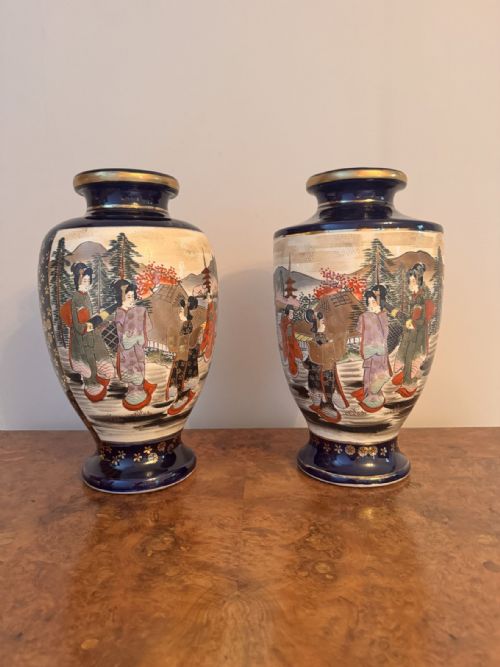
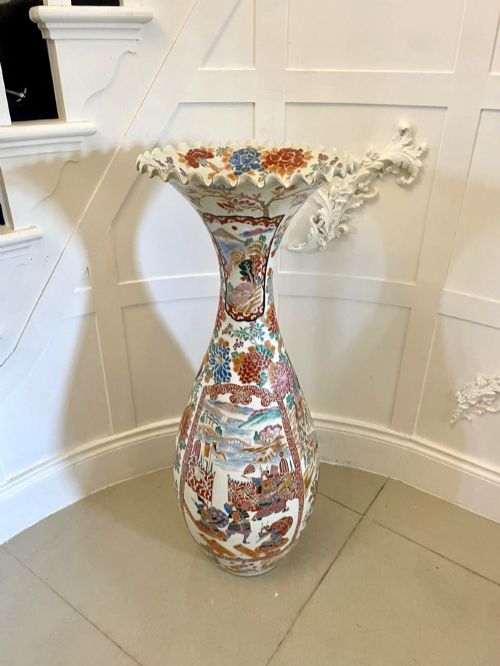
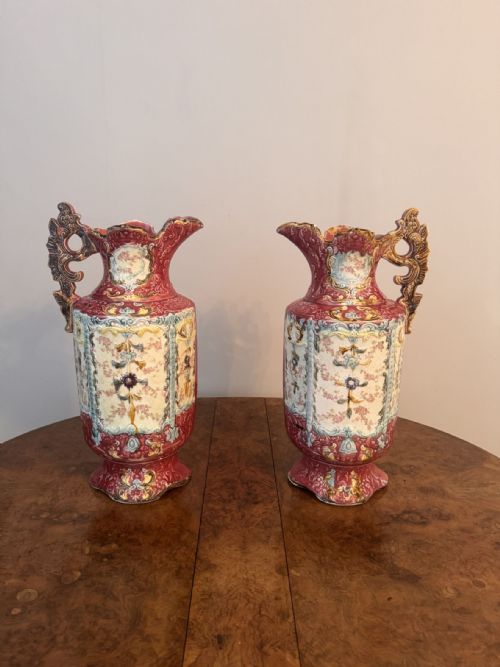
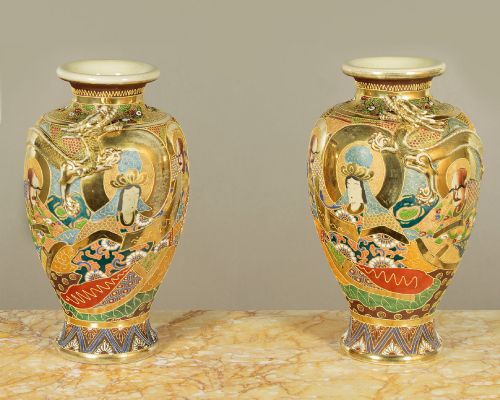
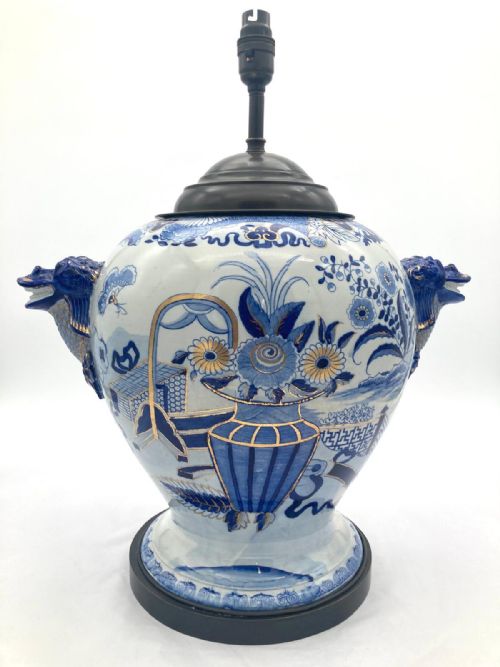
The pieces appearing on this page lean heavily towards Japanese Imari and Satsuma wares, alongside substantial English ironstone, majolica, and French porcelain garnitures. Many of these grand vessels stand independently, while others rest upon figural base stands or function as converted table lamps.
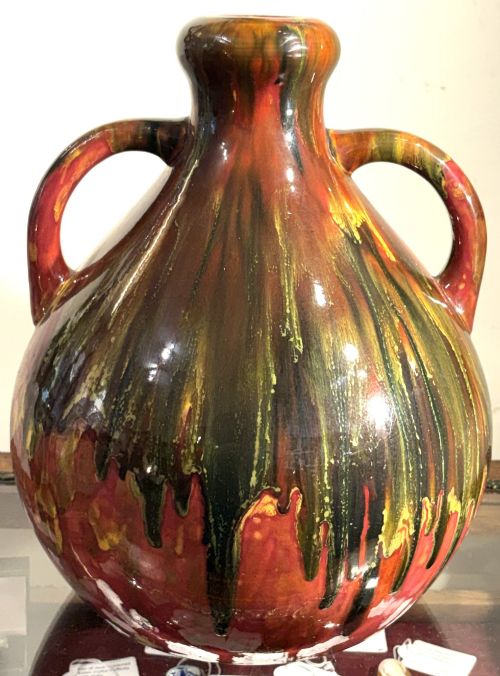
Forms range from tall baluster shapes and moon flasks to monumental ewers and jardinieres with intricate relief decoration. Buyers looking for these items typically want a focal point for a large interior space, drawing on centuries of global ceramic traditions.
How they were made
Potters shaped these large vessels using earthenware, terracotta, ironstone, and porcelain clays, often requiring multiple firings to achieve the desired structural integrity. Artisans applied glazes, enamels, and gold leaf to the surfaces before final kiln baking to lock in the rich coloration.
Decoration techniques combined hand painting with transfer printing, applied slip, jewelled cabochons, and relief mouldings such as lions head ornaments. Many specimens integrated gilt bronze mounts, brass fittings, or lacquered panels to complement the ceramic bodies.
Several impressive vessels started life on side tables before finding a second career wired as heavy table lamps.
What varies in quality
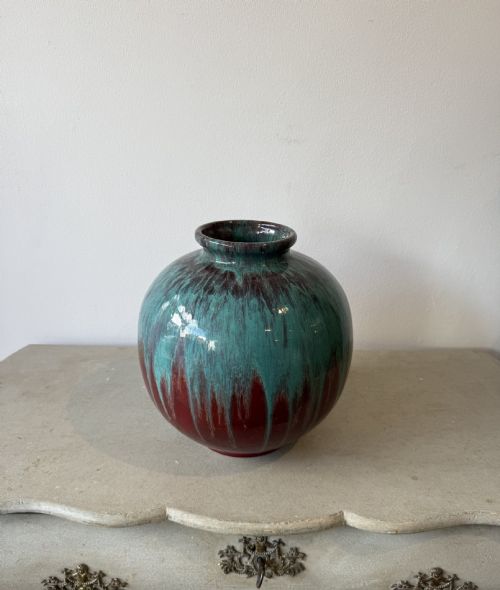
Quality rests in the precision and depth of the hand painted detail, the crispness of moulded relief work, and the richness of the glaze or enamel palette. Superior examples demonstrate careful control during high temperature firings, resulting in stable glazes without surface distortion.
The distinction between standard production and fine studio work appears in the articulation of faces, flora, and architectural motifs on the ceramic surface. Heavier throwing weight, balanced proportions, and integrated metal mounts or original covers elevate the standing of a piece within its period.
Doulton·Royal Doulton·Kinkozan·Hicks and Meigh·Bretby Pottery·Minton
The Large Decorative Ceramic Urn Glossary
- Imari
- A style of Japanese porcelain decorated in underglaze blue and overglaze red, green, and gold. This palette originated during the Edo period and proved highly popular in European export markets.
- Majolica
- A type of earthenware coated with an opaque tin glaze and painted with bright metal oxide colours. It was widely produced in the nineteenth century for decorative garden ornaments and indoor urns.
- Satsuma
- Japanese earthenware pottery featuring a crackle glaze and elaborate polychrome and gilt enamel decoration. These pieces often depict traditional figures and landscapes.
- Ewer
- A large jug with a wide spout and a shaped handle, historically used for pouring water but frequently produced in ceramic as a purely decorative urn.
- Garniture
- A set of three or more matching vases or urns designed to be displayed together on a mantelpiece or cabinet top.
Large Decorative Ceramic Urn: Frequently Asked Questions
How do I style a large ceramic urn?
Place these substantial vessels on heavy furniture, floor stands, or wide pedestals where their height and weight anchor the surrounding space. They work well in entrance halls or empty corners without additional clutter.
Keep surrounding items minimal to let the painted details and glazes remain the primary focus of the room.
Were these urns made for holding water?
Most large decorative ceramic urns and floor vases served purely aesthetic purposes rather than functioning as practical flower holders. Some nineteenth century examples feature fixed covers or narrow necks unsuited for daily use.
If you wish to use them for fresh foliage, insert a separate waterproof container inside to protect the historic interior fabric.
How can I tell nineteenth century pieces apart?
Examine the base for factory marks, impressed ciphers, or hand painted signatures that link the vessel to specific potteries and decades. The weight of the paste and the composition of the glaze also shift between early Victorian production and later Art Nouveau or Meiji period output.
Comparing the style of decoration against documented manufacturer patterns helps confirm the approximate decade of creation.
What is the difference between Imari and Satsuma?
Imari pieces use a hard porcelain body with a palette dominated by cobalt blue, iron red, and gilt highlights. Satsuma items utilise a softer earthenware body covered in a fine crackle glaze beneath dense polychrome enamel scenes.
Touching the surface reveals the smoother porcelain finish of Imari compared to the tactile, textured enamel work of Satsuma.