




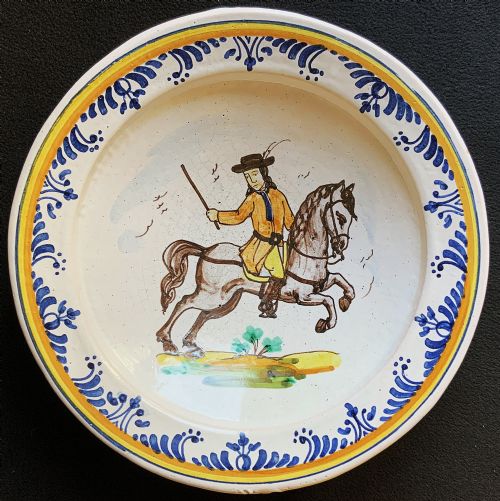
Large Decorative Bowl
A large decorative bowl anchors a room with scale and colour, bringing centuries of skilled handwork straight to your table or sideboard.
Large Decorative Bowl
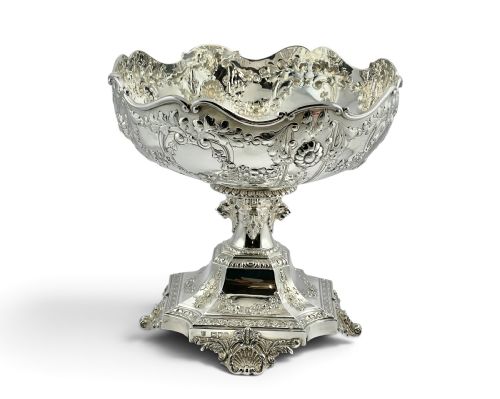
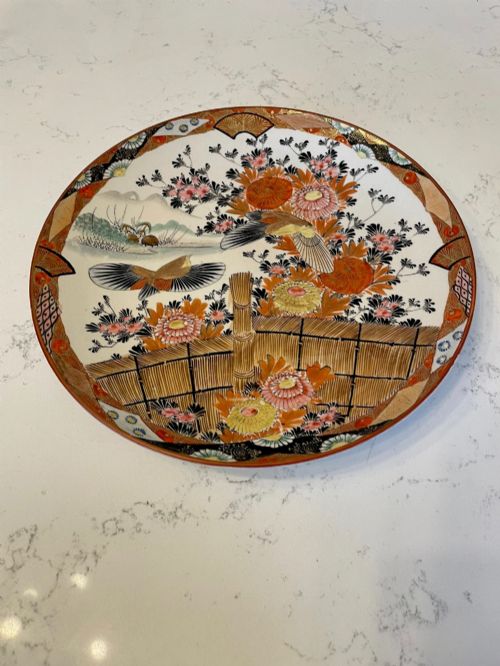
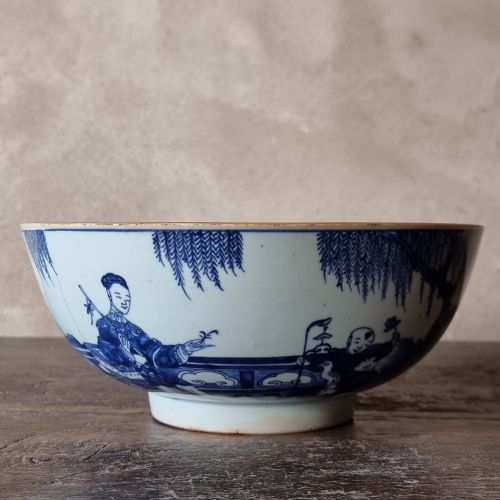
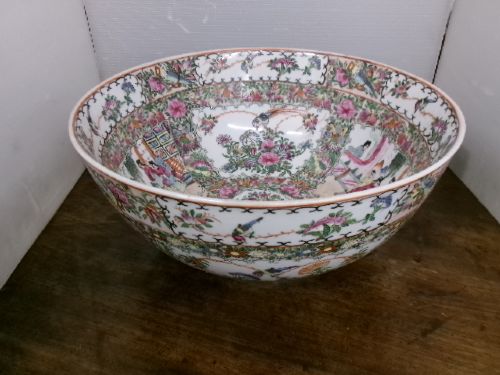
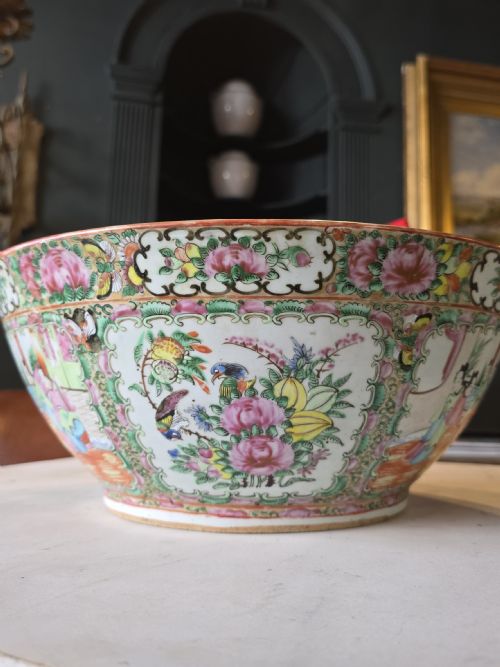
A large decorative bowl spans centuries of global craftsmanship, running from eighteenth-century punch bowls and Chinese export porcelain to Victorian copper jardinieres and Art Deco opalescent glass. You will encounter deep ceramic vessels, wide scalloped dishes, and pedestal mounts designed to command visual attention in a interior space. These pieces served functional roles in hospitality or display, evolving from dining table centrepieces into standalone artistic statements.
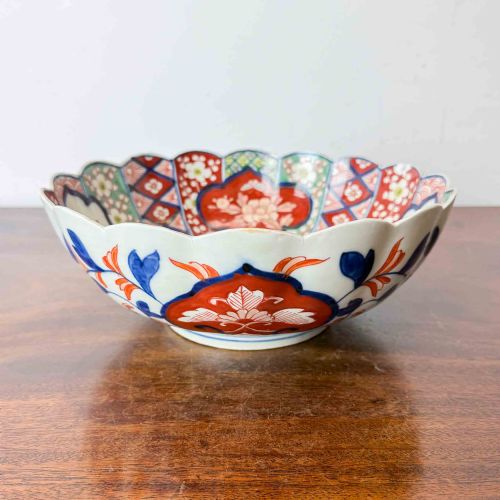
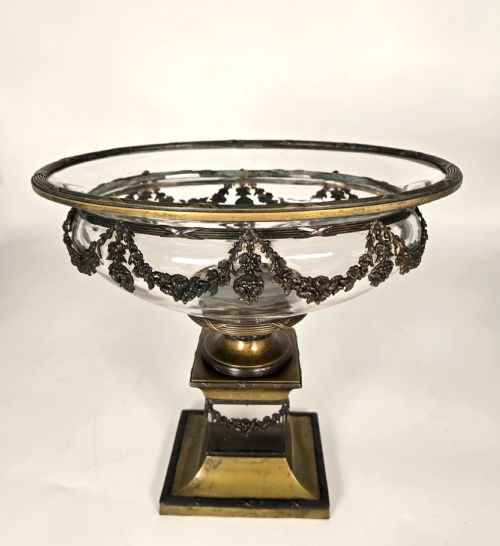
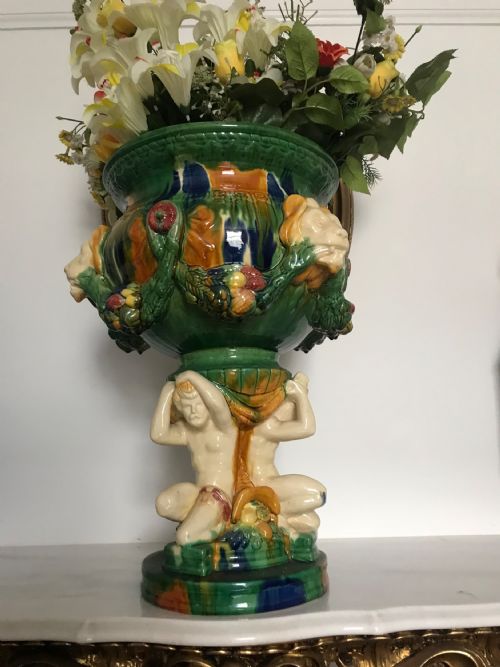
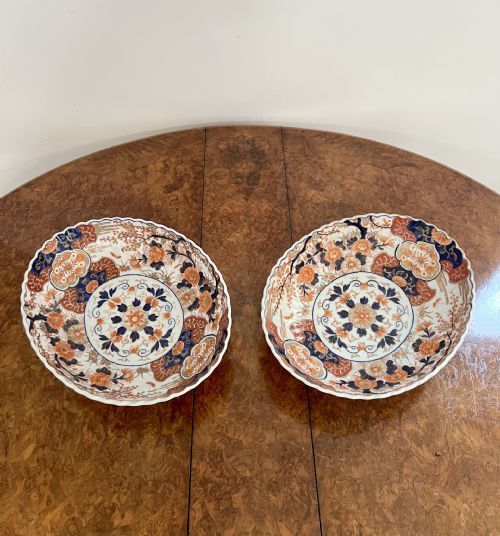
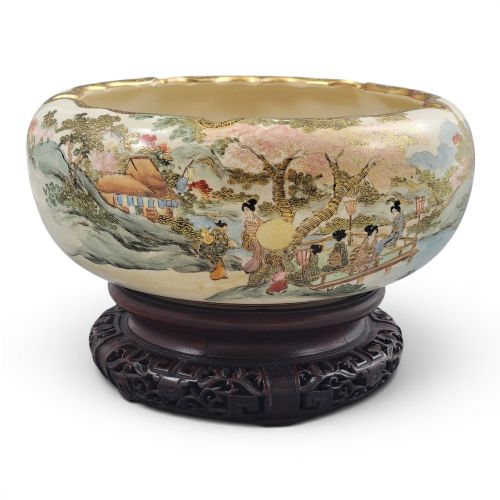
The selection ranges widely across origins, featuring Japanese Imari and Satsuma ceramics alongside European earthenware, majolica, and bronze-mounted glass. Many examples originate from distinct periods including the Meiji era, the nineteenth century, and the early decades of the twentieth century. Whether formed as a heavy bronze vessel or a translucent moulded glass dish, each item brings substantial presence and historic character.
How they were made
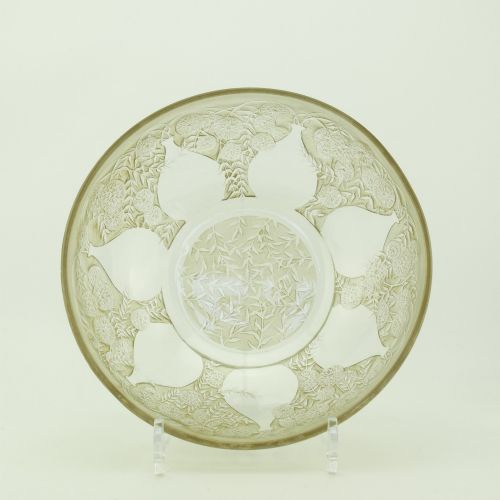
Potters and artisans shaped these vessels using traditional techniques such as hand throwing on the wheel, mould pressing, and intricate cloisonné wirework. Ceramics received hand-painted cobalt blue motifs, polychrome enamels, and rich glazes before enduring high-temperature kiln firing. Glassmakers utilised pressing and opalescent moulding methods to achieve tactile depth and light-catching surfaces.
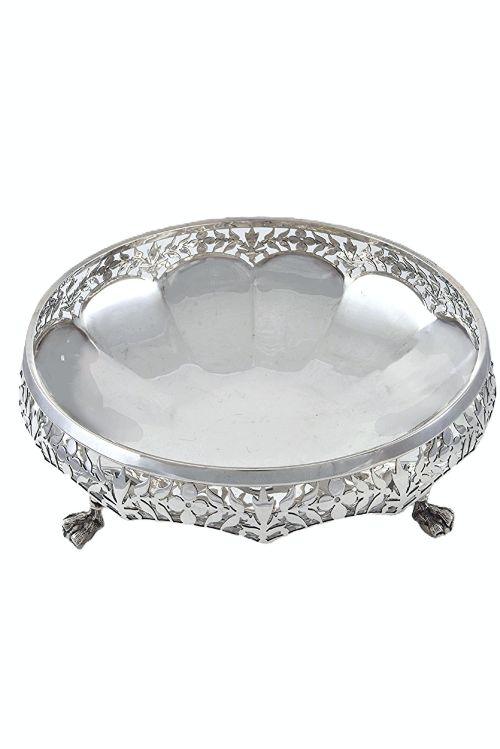
Metalworkers formed pieces from copper, bronze, and silver, applying surface decoration through chasing, engraving, and enamel cabochon setting. Marble, ormolu mounts, and gold leaf frequently added architectural support and contrasting texture to glass and ceramic bowls. Every technique relied entirely on manual skill and mastery of the specific medium.
Large Decorative Bowl Retail Price Guide 2026
Typical asking prices for large decorative bowl among the pieces listed under this phrase on Sellingantiques today, from the lower quarter to the upper quarter. They describe what is for sale here now, not the wider market.
A giant antique clam shell sits among the ceramics and bronzes, reminding collectors that nature remains the original sculptor.
What varies in quality
The standard of painting and surface detail dictates the tier of each piece, distinguishing hurried production from master execution. Finely controlled brushwork in hand-painted ceramics and precise enamel placement in cloisonné signal superior workshop output.
Material purity and weight separate robust examples from simpler wares, particularly in cast bronzes, cut glass, and heavy porcelains. Signed works by recognised makers and studios carry distinct artistic authority that elevates them above anonymous domestic vessels.
Shozo·Rene Lalique·Mann & Co·Shizan·Doulton Burslem·Ryuzan·Maling·Charlotte Rhead Bursley Ware
The Large Decorative Bowl Glossary
- Cloisonné
- Enamel work created by soldering flat metal wires onto a metal base to form compartments filled with vitreous paste. These compartments are then fired and polished smooth.
- Imari
- Japanese porcelain decorated in underglaze blue and overglaze iron red, gold, and green. This palette originated in the Edo period and proved widely popular for export.
- Punch bowl
- A large vessel traditionally used for mixing and serving communal drinks during social gatherings. They often feature deep basin forms and expansive decorated interiors.
- Majolica
- Heavy earthenware covered with an opaque lead glaze containing tin oxide. This technique allows for bright, painterly polychrome decoration across sculptural surfaces.
- Opalescent
- Glass that displays milky, pearlescent highlights shifting in tone according to the light. René Lalique utilised this property extensively in twentieth-century vessel design.
Large Decorative Bowl: Frequently Asked Questions
What were large decorative bowls used for?
These vessels served various functions ranging from communal dining service to domestic display and floral arrangement. Punch bowls held mixed beverages at gatherings, while tazzas and pedestal dishes presented fruit or sweetmeats.
Over time, many objects transitioned into purely decorative interior elements, valued for their colour, form, and craftsmanship rather than practical utility.
How do I style a large bowl at home?
Position a substantial bowl as a focal point on a dining table, entrance hall console, or heavy sideboard. Allow the piece to stand alone to showcase its glaze, painting, or sculptural form without distraction.
Alternatively, fill shallow ceramic or glass dishes with seasonal fruit, glass balls, or dried botanicals to introduce texture and layered height to a room.
What is cloisonne enamel?
Cloisonné involves bending thin metal wires into intricate patterns and attaching them to a metal body such as copper or bronze. The resulting cells receive colourful enamel pastes before high-temperature firing.
The surface is then ground down and polished until the metal outlines and coloured fillings lie flush in a smooth, continuous plane.