




Large Ceramic Water Jug
These large ceramic water jug examples range from stoneware to earthenware, bringing practical historical utility and decorative character to any room.
Large Ceramic Water Jug
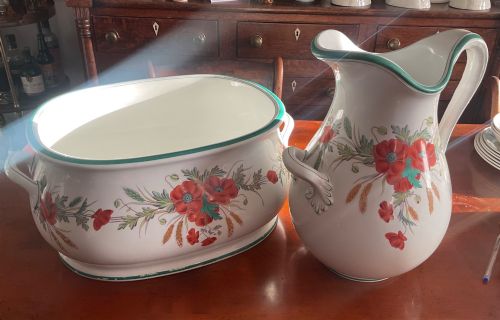
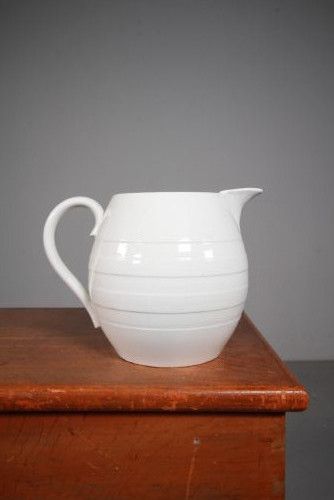
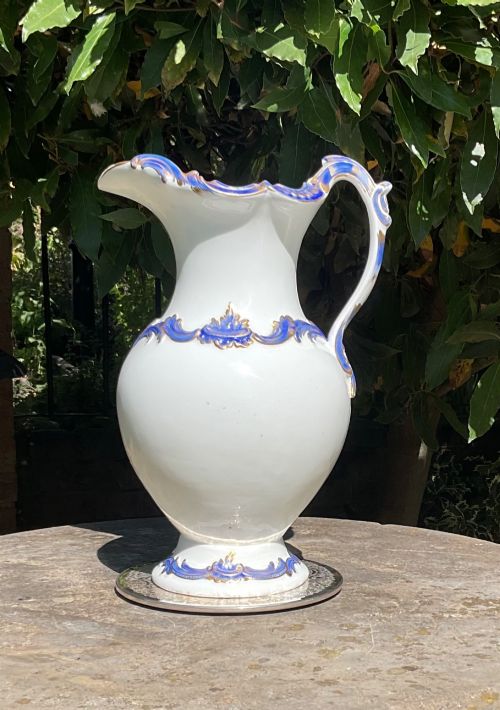
When you search for a large ceramic water jug, you encounter robust vessels designed for holding and pouring liquids across various historical periods. The selections span from Georgian earthenware and creamware pieces to Victorian stoneware ewers and porcelain examples.
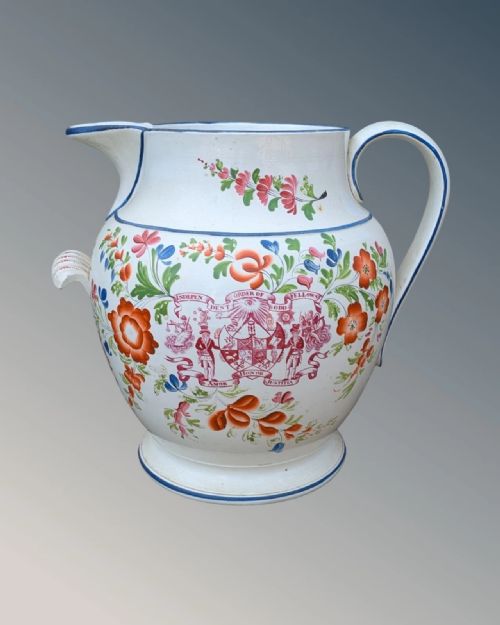
You meet vessels produced by notable potteries such as Doulton Lambeth, Gien, and Ridgway, alongside Staffordshire commemorative pieces and exhibition stoneware. Forms include standard water jugs, pitchers, harvest jugs, and decorative ewers featuring relief-moulded scenes or mythological figures.
The pieces reflect domestic utility and display purposes from the nineteenth century into the early twentieth century. Common stylistic revivals include Victorian Gothic, Renaissance Revival, and Rococo details applied to functional vessels.
How they were made
Potters utilised materials such as stoneware, earthenware, creamware, porcelain, and faience to shape these large vessels on the wheel or within moulds. Relief-moulding techniques created intricate surface narratives like the Bacchanalian dance scenes, whilst salt glazing imparted distinctive textured finishes.
Makers applied enamel, glaze, and occasional gilt highlights to decorate surfaces with botanical motifs, transfer printing, or hand-painted mythological figures. Functional additions such as silver rims reinforced heavy stoneware bodies intended for substantial liquid capacity.
Large Ceramic Water Jug Retail Price Guide 2026
Typical asking prices for large ceramic water jug among the pieces listed under this phrase on Sellingantiques today, from the lower quarter to the upper quarter. They describe what is for sale here now, not the wider market.
Object forms documented here range from utilitarian harvest jugs with silver rims to exhibition pieces and commemorative Admiral Lord Nelson characters.
What varies in quality
The distinction between standard domestic utility wares and exhibition-grade pieces lies in the crispness of relief moulding and the complexity of surface decoration. Finer examples display meticulous brushwork on hand-painted enamel and crisp detail in salt-sprigged stoneware applied ornaments.
Body thickness and weight distribution separate robust utilitarian harvest jugs from delicate porcelain water jugs intended purely for display. The presence of named maker stamps, exhibition marks, or specialist silver rims elevates the standing of a piece within its period.
Doulton Lambeth·Gien Faience·Ridgway and Sons·Charles Meigh·Spode
The Large Ceramic Water Jug Glossary
- Creamware
- A refined earthenware developed in the eighteenth century with a pale yellowish-buff glaze. It offered a lighter, more delicate alternative to heavier salt-glazed stoneware.
- Stoneware
- A dense, vitreous pottery fired at high temperatures until non-porous. It provides exceptional durability for heavy harvest jugs and water vessels.
- Ewer
- A large jug or pitcher with a wide spout and elaborate handle, traditionally used for holding water. Many Victorian examples functioned primarily as decorative arts.
- Sprigged
- A ceramic decoration technique where moulded clay reliefs are applied to the unfired body of a vessel using slip. This creates raised ornamental patterns on salt-glazed surfaces.
Large Ceramic Water Jug: Frequently Asked Questions
How heavy is a one gallon stoneware jug?
These large stoneware vessels possess substantial weight due to dense fired clay bodies designed to hold significant volume. They require two hands when filled to capacity.
Smaller earthenware or porcelain jugs weigh considerably less, as their thinner walls suit lighter domestic service rather than heavy liquid storage.
Can I use these antique jugs for serving water?
Many nineteenth-century ceramic and porcelain jugs remain structurally sound for holding water on a table or sideboard. Glazed interiors prevent liquid absorption in most standard wares.
Porcelain and fine creamware pieces often receive preferential treatment as display items due to age, whilst robust stoneware handles daily utility safely.
How do I identify a Victorian salt glazed jug?
Salt glazing produces a pitted, orange-peel texture across the stoneware surface caused by salt introduced into the kiln during firing. These pieces often feature sprigged cream-coloured reliefs against grey bodies.
Exhibition stoneware from this era displays exceptionally sharp sprigging and heavier wall construction compared to standard utilitarian kitchenware.