






Large Ceramic Plate
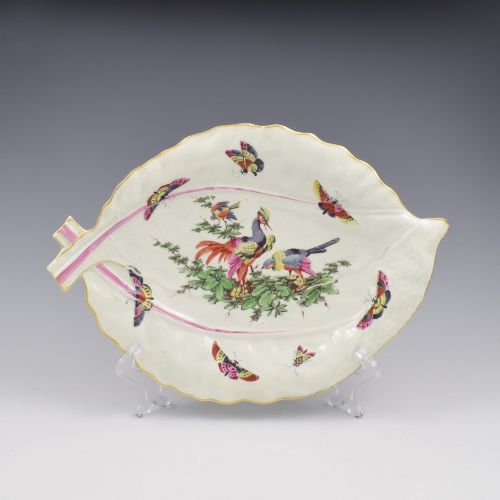
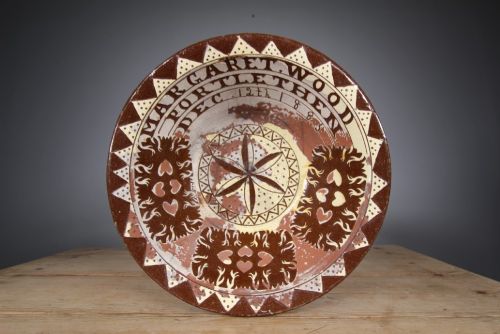
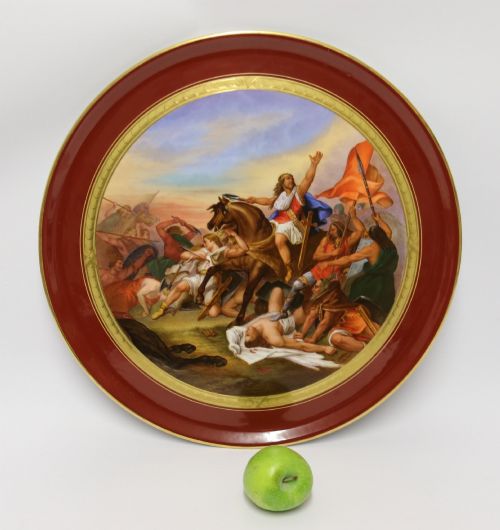
A large ceramic plate offers broad space for pigment and form, drawing the eye whether hung upon a wall or set upon a table.
Large Ceramic Plate
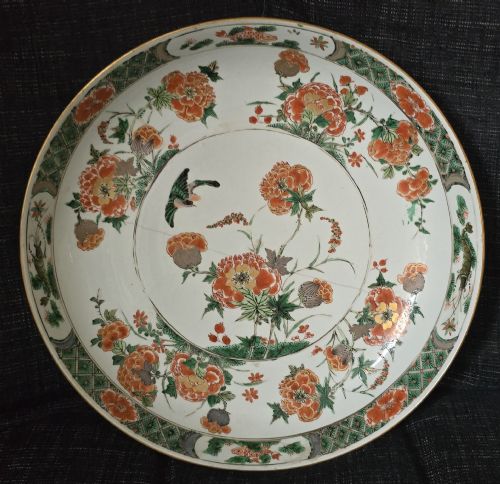
When you search for a large ceramic plate, you encounter expansive platters, chargers, and deep dishes intended for display or ceremonial service. These pieces span the seventeenth century through to the opening decades of the twentieth century, originating from European potteries, Chinese kilns, and Japanese workshops.
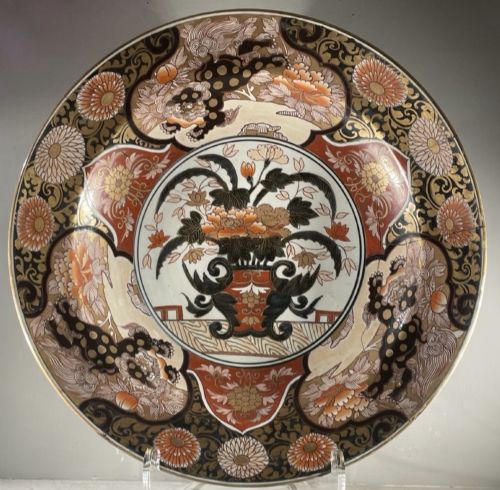
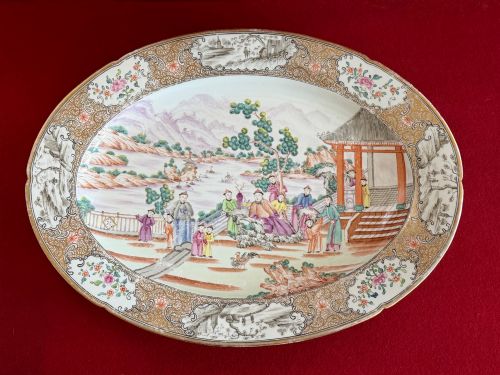
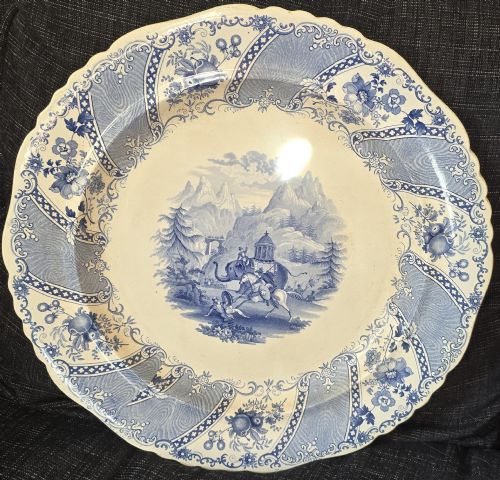
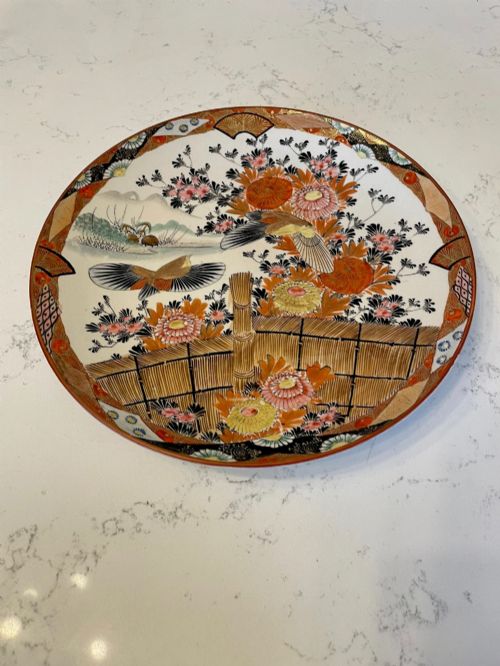
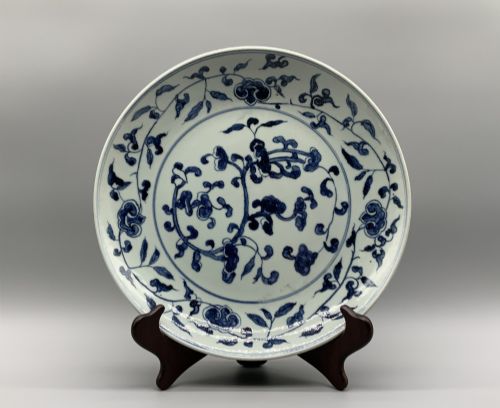
The versions you meet most frequently on this page are Japanese Imari chargers from around nineteen hundred and Chinese porcelain dishes from the seventeenth and eighteenth centuries. Alongside these sit Victorian transferware meat platters, tin-glazed Delft wares, and continental faience chargers.
Makers shaped these surfaces to hold narrative scenes, armorial bearings, floral arrangements, and dense geometric patterns. Their sheer scale allowed artists and potters to work on a canvas far larger than ordinary tableware permitted.
How they were made
Potters formed these substantial bases from bodies of porcelain, earthenware, or tin-glazed clay, shaping them upon wheels or pressing them into moulds. The heavier chargers required robust clay bodies and thick walls to prevent warping during high-temperature firings in kilns.
Decoration relied upon hand-painted overglaze and underglaze pigments, transfer printing, or tin-glazes finished with polychrome enamels. Artisans frequently applied cobalt blue beneath the glaze before adding highlights in gold leaf, enamel, or slip.
Large Ceramic Plate Retail Price Guide 2026
Typical asking prices for large ceramic plate among the pieces listed under this phrase on Sellingantiques today, from the lower quarter to the upper quarter. They describe what is for sale here now, not the wider market.
Listings span periods from the seventeenth century through to the twentieth century, incorporating porcelain, earthenware, and tin-glazed ceramics.
What varies in quality
The distinction between ordinary production and superior work rests upon the precision of the hand-painting, the clarity of the glaze, and the ambition of the composition. Master painters executed intricate figures and botanical details with confident brushstrokes that elevate a utilitarian dish into a work of art.
Weight, potting balance, and the crispness of transfer-printed lines also separate standard items from exceptional examples. Pieces bearing signatures of recognised artists or notable potteries demonstrate a level of execution that sets them apart from anonymous factory wares.
Shozo·William Smith And Co·Dr Wall·George Jones
The Large Ceramic Plate Glossary
- Charger
- A large decorative plate or platter, traditionally used for ceremonial service or displayed upright on a sideboard. These substantial pieces measure considerably more than standard dining plates.
- Imari
- A style of Japanese porcelain featuring a distinct palette of underglaze blue, iron red, and gilt. Makers in the Arita area produced these wares primarily for export to European markets.
- Transferware
- Ceramic pieces decorated by pressing a design from a copperplate onto tissue paper and transferring the ink onto the biscuit pottery before glazing. This mechanical technique allowed for complex pictorial scenes such as landscapes and historical events.
- Tin-Glazed Earthenware
- Pottery coated with an opaque white glaze containing tin oxide, providing a smooth surface for painted decoration. Examples include English Delft, French faience, and Spanish catalana wares.
- Famille Rose
- A palette of Chinese porcelain decoration dominated by opaque pink or rose enamel introduced during the Qing dynasty. Artists used these soft tones alongside other opaque colours to render detailed floral and figural subjects.
Large Ceramic Plate: Frequently Asked Questions
How were large ceramic plates used historically?
Large ceramic plates and chargers served primarily as impressive centerpieces for dining tables during feasts and formal meals. Wealthy households also displayed them on sideboards or hung them on walls to demonstrate status and taste.
Over time, many of the largest chargers transitioned into purely decorative objects. Their broad surfaces provided ideal canvases for displaying intricate landscapes, portraits, and narrative scenes.
How can I tell different periods apart?
Distinguishing periods relies on examining the clay body, the characteristics of the glaze, and the style of decoration. Seventeenth-century Chinese and Delft pieces often exhibit heavier potting and distinct cobalt blue tones, while nineteenth-century transferware utilises precise mechanical printing.
Examining the foot ring and the base of the piece reveals how the potter supported the plate in the kiln. Unglazed areas and firing scars offer clues regarding the manufacturing date and geographic origin.
What is the difference between a charger and a platter?
Chargers are typically wide, round decorative plates designed for display or to sit beneath other courses. Their rims and wells often feature elaborate painted or moulded ornamentation rather than serving surfaces.
Platters, conversely, were shaped to accommodate joints of meat or poultry during service. They frequently incorporate channels or wells to catch juices, reflecting a more functional role in the dining room.