



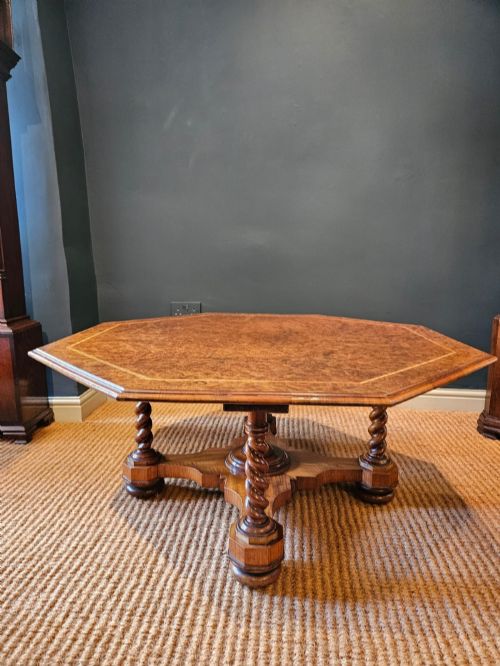


Large Brown Coffee Table
A large brown coffee table anchors a room with presence, offering warmth of timber and generous surface area for daily living.
Large Brown Coffee Table
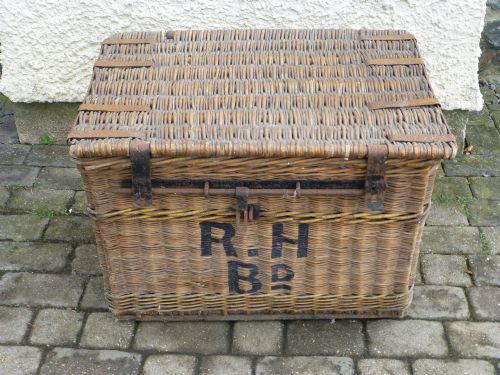
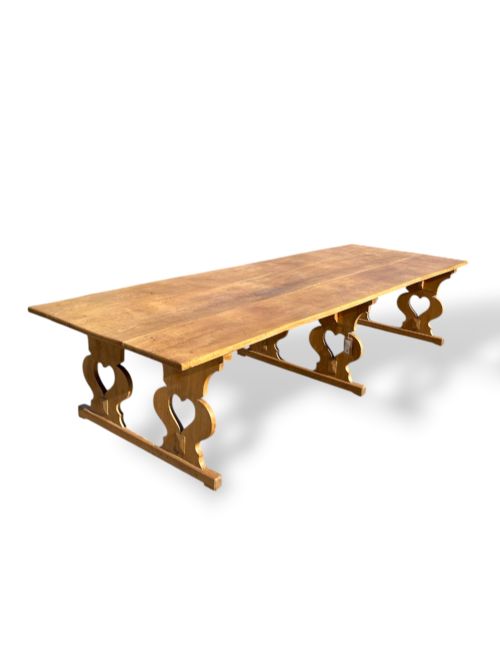
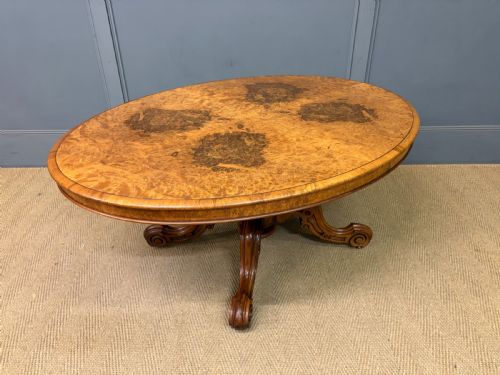
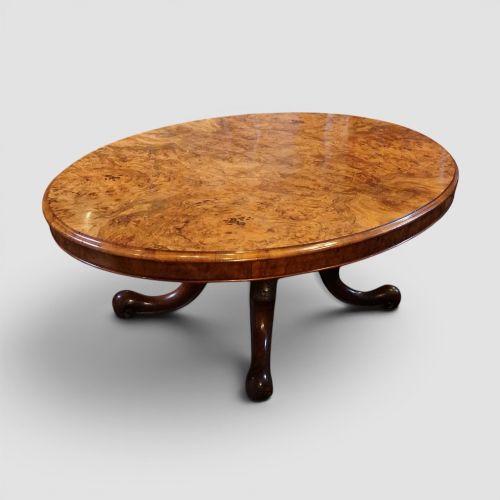
A large brown coffee table encompasses substantial low tables and adapted country house seating derived from earlier periods. When searching for a large brown coffee table, buyers encounter repurposed campaign trunks, oak refectory boards, and burr walnut centre tables adapted for modern rooms.
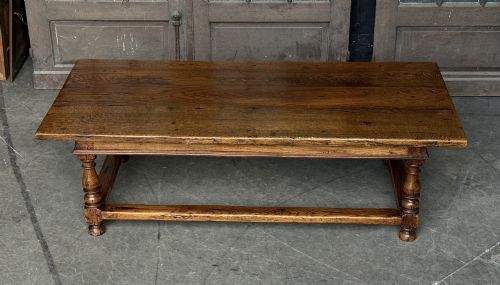
The selections span from 18th-century walnut chests and Victorian mahogany ottomans to 1930s Art Deco walnut designs and rustic elm boards. Many examples originate as utilitarian objects such as pig benches, travel chests, or ceremonial beds before finding new life as coffee tables.
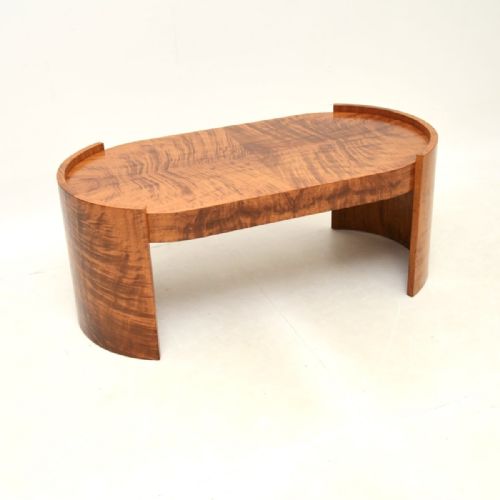
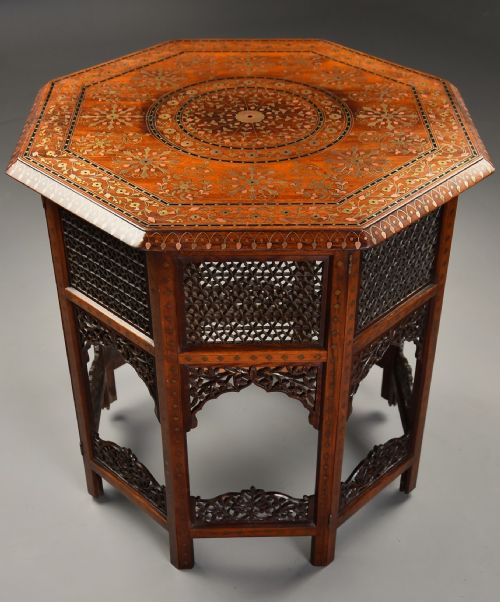
Victorian burr walnut oval and octagonal tables dominate alongside English oak and mahogany iterations. Buyers also find pieces drawing on Regency, Anglo-Indian, and Art Deco styles, offering rich brown tones through diverse wood selections.
Materials and construction methods
Cabinet makers utilised dense hardwoods including walnut, mahogany, oak, and elm, often selecting figured veneers and burr walnut for decorative surfaces. Joinery relies on traditional techniques suited to heavy domestic use, visible in pegged joints, hand carving, and dovetailed trunk construction.
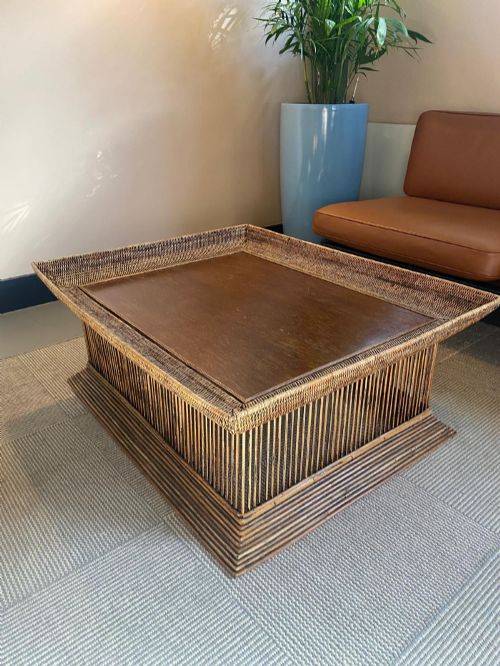
Secondary materials introduce texture and utility, incorporating brass fittings, iron reinforcement, zinc linings, leather upholstery, and wicker rattan. Surfaces receive hand-carved detailing or retain the rustic patination of country house benches and travel chests.
Large Brown Coffee Table Retail Price Guide 2026
Typical asking prices for large brown coffee table among the pieces listed under this phrase on Sellingantiques today, from the lower quarter to the upper quarter. They describe what is for sale here now, not the wider market.
Listings feature woods like walnut, oak, mahogany, and elm across periods from the 18th century through the Art Deco era of the 1930s.
Distinctions in craftsmanship and origin
Superior examples display exceptional timber selection, such as highly figured flame mahogany or richly patterned burr walnut veneers applied to stable hardwood carcases. The depth of natural patination and the crispness of hand-carved elements, whether on an Indian centre table or an English oak board, elevate the standing of a piece.
Adaptations from earlier utilitarian forms vary according to the sensitivity of the conversion and the retention of original brass hardware, leather buttoning, or structural integrity. Finer pieces maintain balanced proportions and harmonious integration of altered heights without compromising the integrity of the original timber.
The Large Brown Coffee Table Glossary
- Ottoman
- A low upholstered seat or footstool lacking arms or a back, frequently utilised as a soft-topped coffee table. Buttoned leather examples suit traditional drawing rooms.
- Campaign trunk
- A portable storage chest constructed for military officers on the move, typically fitted with brass corners and recessed carrying handles. Zinc linings often protect contents from moisture.
- Flame mahogany
- A veneer cut from the point where branches join the main trunk, displaying a fiery, undulating grain pattern. It characterises formal 19th-century English tables.
Large Brown Coffee Table: Frequently Asked Questions
How do I style a large brown coffee table?
Balance the generous surface by grouping books, ceramics, and trays without obscuring the timber grain or figured veneers.
Allow surrounding seating space to breathe so the proportions of the table anchor the room effectively.
Are trunk coffee tables practical for storage?
Campaign chests and wicker trunks provide concealed compartments for blankets, books, and household items while serving as stable surfaces.
Ensure hinged lids or removable trays allow easy access during daily use.
How do I care for antique wood surfaces?
Clean regularly with a dry cloth and apply occasional natural beeswax to nourish dry hardwood and veneer.
Protect the finish from excessive moisture and direct heat sources to preserve the historic patination.
What is the difference between an ottoman and a footstool?
Ottomans typically offer larger, fully upholstered surfaces designed for seating or resting feet, often featuring deep buttoning.
Footstools share similar padded construction but generally occupy a smaller footprint within the interior.