





Large Bronze Pot
A large bronze pot brings weight and centuries of craftsmanship into a room, serving as a striking centrepiece for plants or decorative displays.
Large Bronze Pot
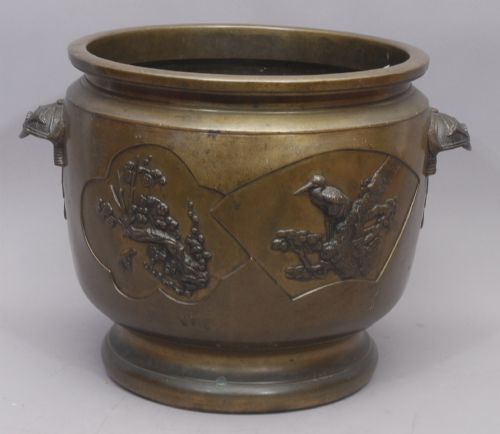
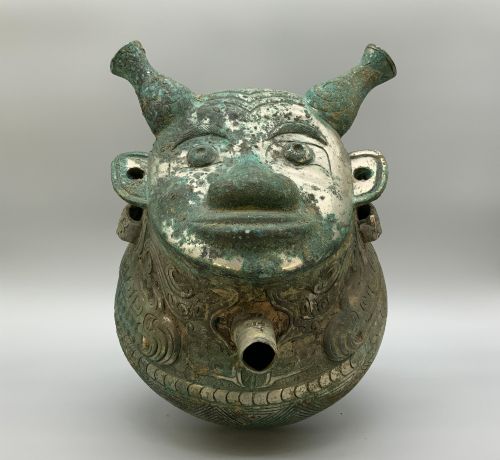
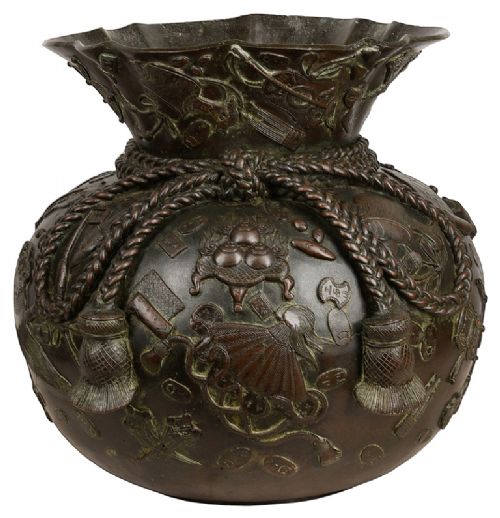
When searching for a large bronze pot, collectors encounter an international array of heavy metalware, from Japanese Meiji period jardinières to Chinese ritual vessels and European cauldrons. The pieces on this page are predominantly jardinières, planters, and censers spanning the seventeenth century through to the early twentieth century.
The most common examples met here are nineteenth-century Japanese jardinières and Chinese vessels decorated with enamel or intricate handles. These range from domestic planters designed for nineteenth-century interiors to ritual pieces influenced by much older dynasties.
Materials and construction
These vessels are cast primarily in bronze, occasionally supplemented by brass, iron, or gilt bronze, with certain pieces incorporating enamel work such as champlevé and cloisonné. Artisans utilised techniques like patination to create verdigris surfaces or polished the metal to a smooth finish.
Many items feature cast relief decoration, including dragon and mask handles, or applied porcelain elements as seen in French potpourri containers and Imari jardinières.
Large Bronze Pot Retail Price Guide 2026
Typical asking prices for large bronze pot among the pieces listed under this phrase on Sellingantiques today, from the lower quarter to the upper quarter. They describe what is for sale here now, not the wider market.
Materials extend beyond pure bronze to include brass, iron, porcelain, ormolu, and gilt bronze, often finished with verdigris patina.
Factors of quality
Quality in these heavy metal vessels rests on the crispness of the casting and the finesse of any applied surface detail, such as cloisonné enamel work or dragon handles. The weight and stability of the piece, alongside the preservation of the original patina or verdigris, distinguish finer examples from standard production.
The complexity of the form also dictates the tier of the piece, moving from straightforward planters to elaborate ritual vessels and multi-piece sets.
The Large Bronze Pot Glossary
- Jardiniere
- A large ornamental pot or planter designed to hold plants or flowers. These vessels often sit on heavy tables or directly on the floor.
- Censer
- A ritual vessel used for burning incense. These items frequently incorporate tripod feet and elaborate mask or dragon handles.
- Cloisonne
- An enamelling technique where metal wire is soldered to the metal base to create compartments filled with enamel paste. This method produces colourful geometric or floral patterns across the surface.
- Champleve
- A technique where troughs or cells are carved directly into the bronze surface and filled with enamel before firing. It yields bold patterns distinct from wired cloisonne work.
- Patina
- The surface sheen or colour achieved through age, chemical treatment, or handling. A verdigris patina indicates green oxidation on copper-alloy metals.
Large Bronze Pot: Frequently Asked Questions
What were large bronze pots originally used for?
Many of these vessels served practical roles as planters, jardinières, or water containers within homes and gardens. Others held ritual significance as incense burners or wine vessels in temples and courts.
Over time, these heavy metal pieces transitioned into decorative ornaments for grand interiors, housing large indoor plants or standing alone as sculptural statements.
How do I care for a bronze vessel?
Dust the surface regularly with a soft, dry cloth to prevent dirt accumulation. Avoid using abrasive cleaning agents or metal polishes that can strip away the historic patina.
If using the pot as a planter, place a waterproof liner inside to protect the metal from moisture and soil acidity.
How can I tell the period of a bronze pot?
Examine the casting method, surface wear, and decorative style to find clues about the manufacturing era. Stylistic markers such as Meiji period motifs or Shang dynasty revival styles help anchor pieces to specific centuries.
Weight, handle construction, and the type of enamel work also provide reliable indicators of age.
Are these pots suitable for outdoor use?
While bronze is a durable alloy that resists heavy weathering, antique pieces with delicate enamelling or specific patinas are generally best kept indoors. Placing them outside exposes them to extreme moisture and temperature fluctuations that can alter the metal surface.
Solid cast vessels without enamel can handle sheltered outdoor positions if protected from standing water.