



Large Bronze Bowl
A large bronze bowl holds weight and presence in a room, offering a functional vessel or centrepiece shaped by centuries of Asian and European metalwork traditions.
Large Bronze Bowl
A large bronze bowl brings substantial heft and dark patination to an interior, functioning as a centrepiece, planter or ritual vessel. When you search for a large bronze bowl, you encounter diverse origins spanning Qing Dynasty China, Meiji period Japan and 19th-century France.
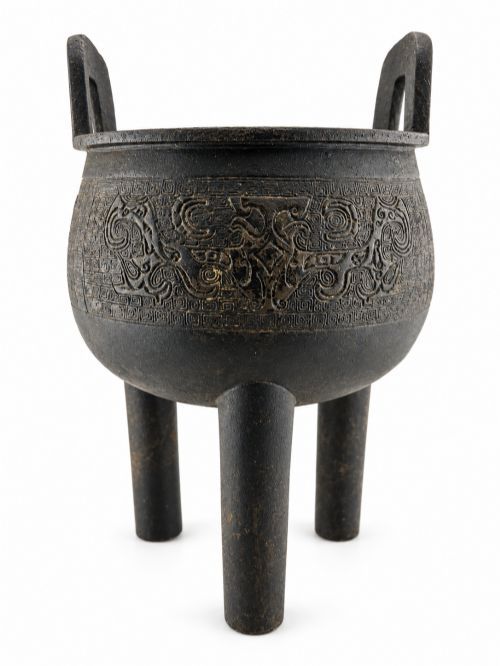
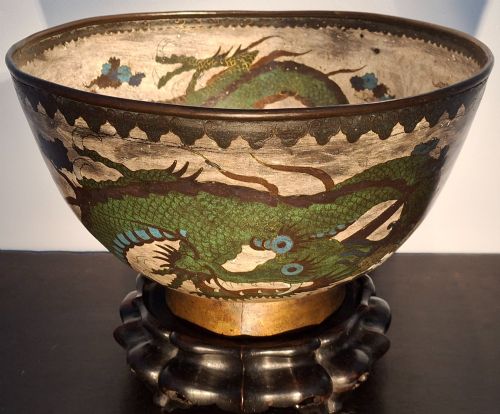
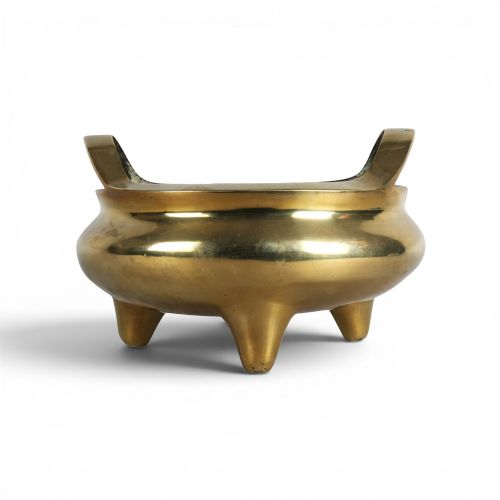
The Chinese pieces frequently take the form of heavy tripods, censers and ritualistic food vessels marked by archaic motifs and substantial weight. Japanese examples lean towards jardinières, planters and chargers decorated with cloisonné enamel or champlevé work.
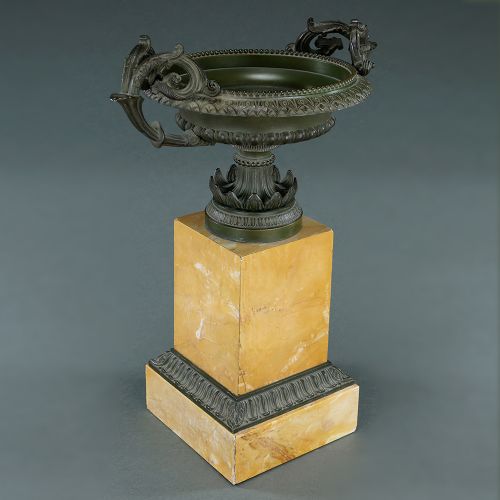
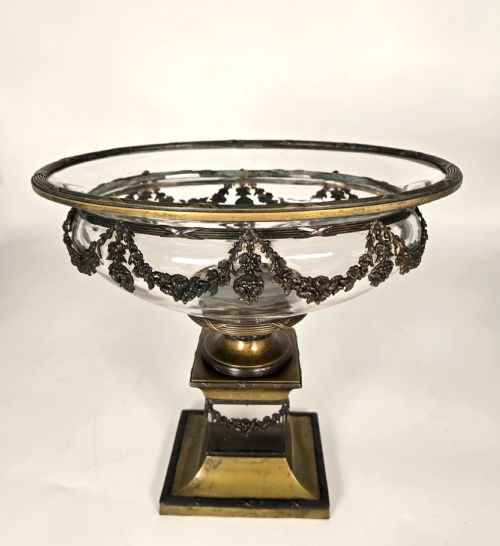
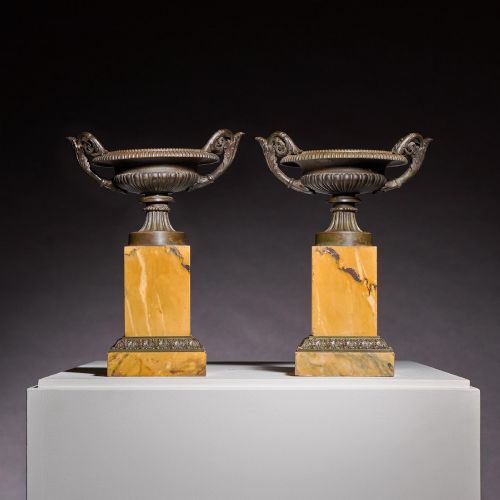
European interpretations draw heavily on the French Empire and Grand Tour aesthetics, frequently pairing cast metal with Siena marble tazzas or porcelain mounts. These vessels serve equally as decorative centrepieces and functional containers.
Materials and construction methods
Foundry work relies on traditional casting methods, producing thick walls and heavy bases that can weigh several kilograms. Many Asian and European vessels incorporate secondary materials, mounting bronze into Siena marble bases or combining the metal body with intricate enamel work.
Surface decoration involves distinct techniques, from the soldered wire compartments of cloisonné enamel to champlevé cells carved directly into the bronze ground. Gilding, ormolu mounts and applied porcelain elements further enrich the finished objects.
Large Bronze Bowl Retail Price Guide 2026
Typical asking prices for large bronze bowl among the pieces listed under this phrase on Sellingantiques today, from the lower quarter to the upper quarter. They describe what is for sale here now, not the wider market.
Listings feature heavy bronze vessels combined with Siena marble, porcelain mounts, and cloisonne enamel across the 18th, 19th, and early 20th centuries.
Judging metalwork quality
Quality rests in the crispness of the casting and the precision of any applied ornamentation, distinguishing workshop pieces from standard production. Heavier metal gauge and uncompromised structural integrity elevate a vessel.
The refinement of the surface patination and the clarity of enamel work dictate the tier of the piece. Integrated maker marks or specific period signatures add considerable context to the workmanship.
The Large Bronze Bowl Glossary
- Tazza
- A shallow bowl or cup mounted on a stem and foot, designed to stand on a table. These pieces often incorporate decorative marble bases.
- Censer
- A vessel intended for burning incense, frequently cast with three feet and fitted handles. Chinese examples from the 18th century often carry reign or maker marks.
- Jardiniere
- An ornamental pot or stand designed to hold growing plants or flowers. These large bronze and enamel planters often date to the Meiji period.
- Cloisonne
- An enamel technique where metal wire is soldered to a metal base to create cells filled with coloured paste and fired. This method appears widely on Japanese chargers and bowls.
- Ormolu
- Gilded bronze applied as a decorative mount on furniture, marble bases or porcelain vessels. This finish characterises 19th-century French pieces.
Large Bronze Bowl: Frequently Asked Questions
How do I clean a bronze bowl?
Dust the surface regularly with a soft cloth to prevent grime accumulation.
Avoid commercial metal polishes that strip away the aged patination and historical character.
Are these bowls waterproof?
Many historical vessels, particularly censers and ritual bowls, contain small casting flaws or lack sealed joints.
Place a liner inside if you intend to use a jardinière for live plants.
How do I date a bronze vessel?
Examine the casting quality, tool marks on the underside and any surface wear consistent with age.
Compare stylistic motifs such as archaic Chinese forms or Japanese Meiji period enamel patterns against documented examples.
Where should I display a large bowl?
Position heavy pieces on sturdy tables, pedestals or deep mantelpieces where their weight is supported safely.
Allow natural light to highlight the varied patination and decorative enamel details.