

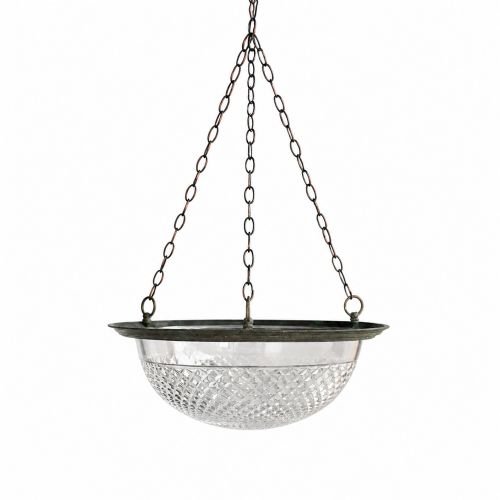
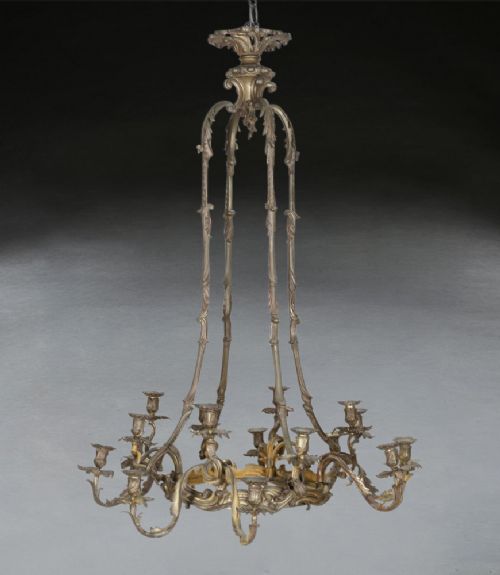

Large Brass Ceiling Light
A large brass ceiling light commands a room with substance, bringing warmth to high ceilings and scale to principal spaces.
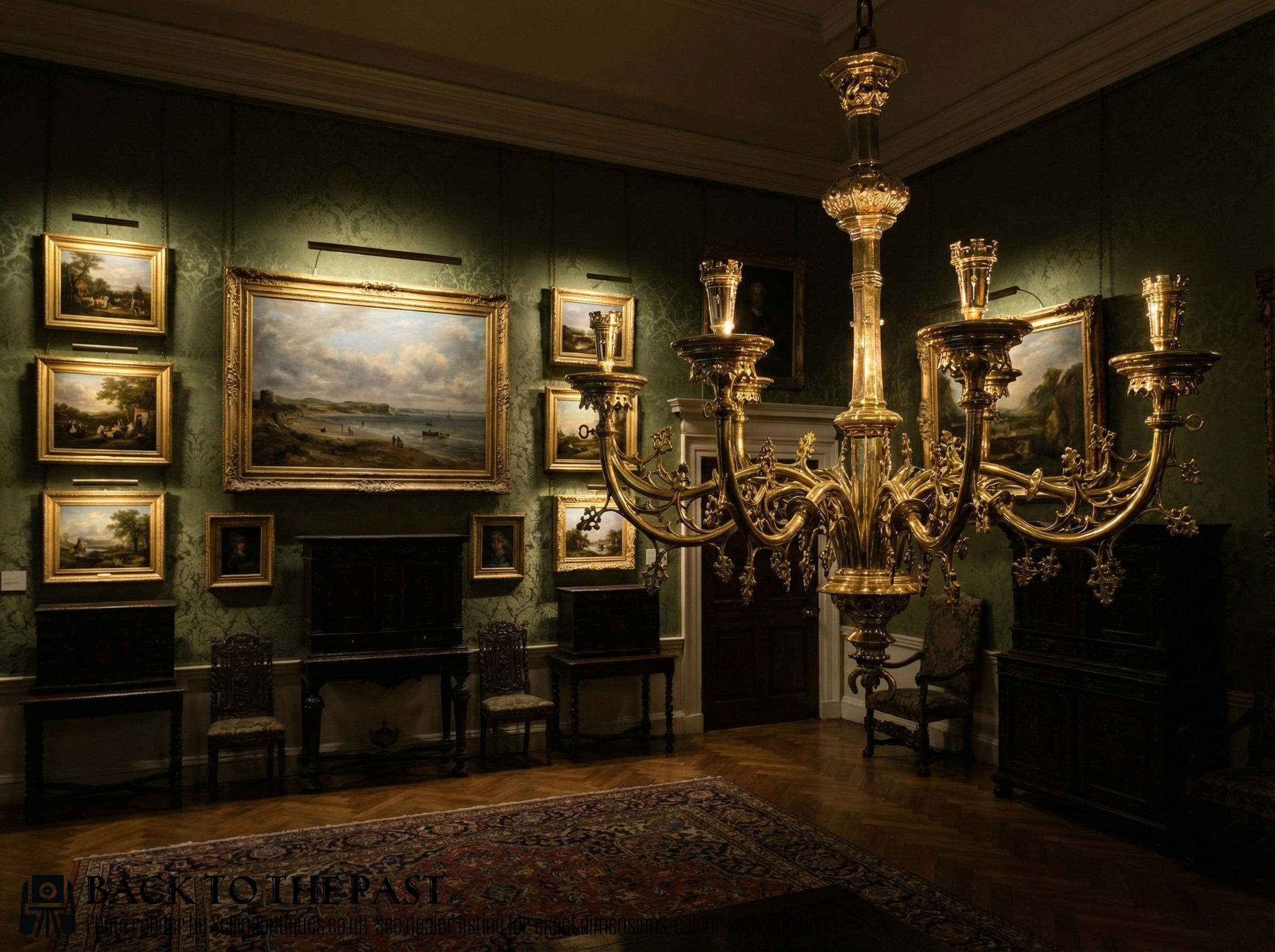
Large Brass Ceiling Light
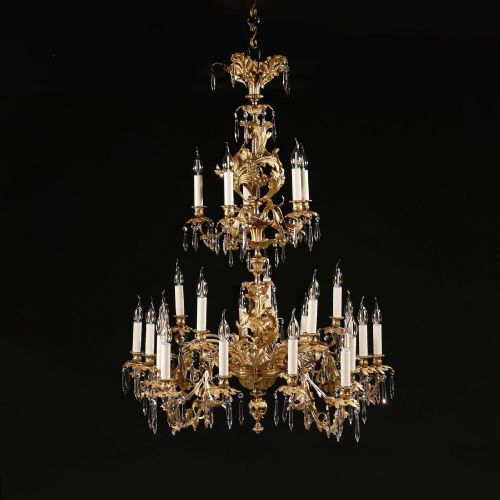
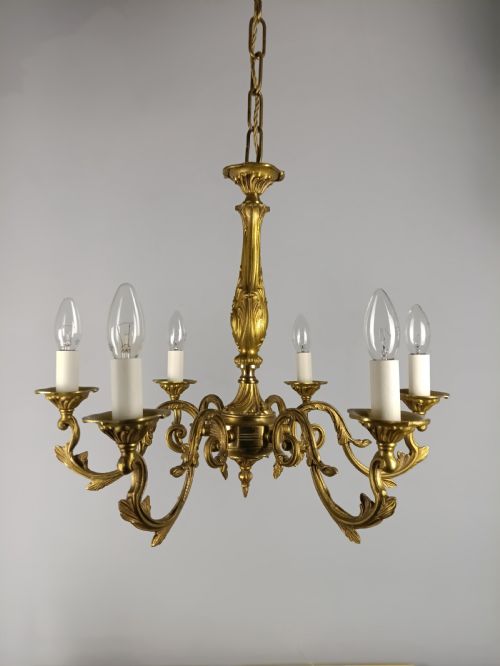
A large brass ceiling light spans grand chandeliers and substantial hall lanterns designed to anchor substantial spaces. These pieces emerge from periods ranging through the Victorian era, Edwardian decades, and the 1920s and 1930s.
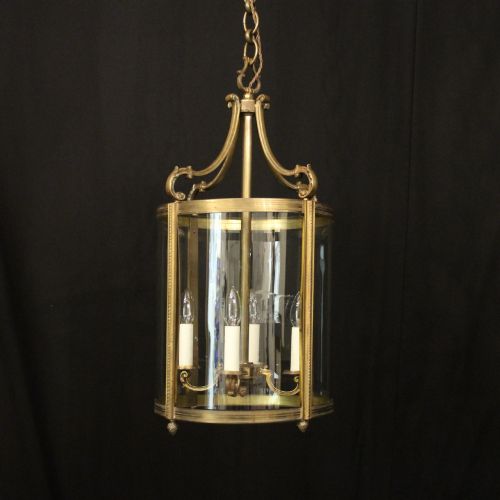
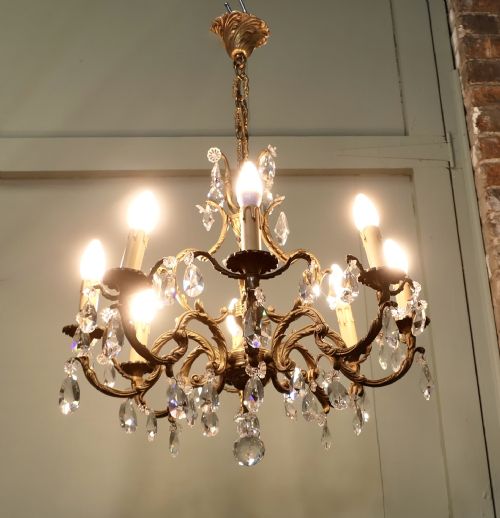
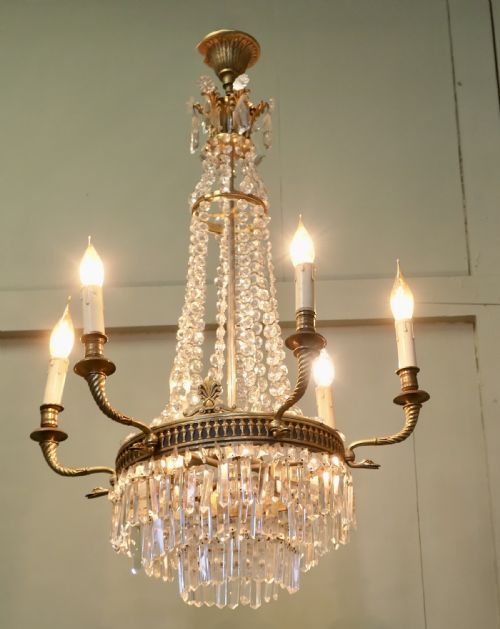
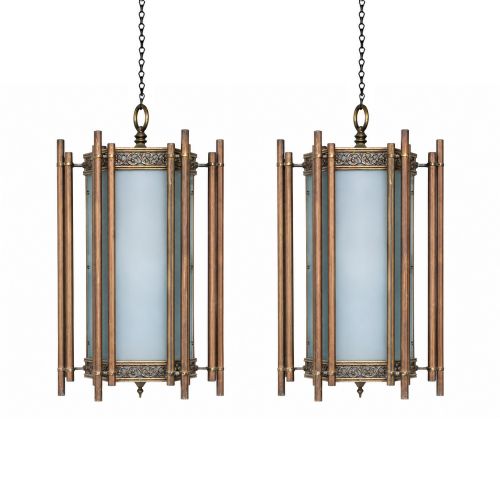
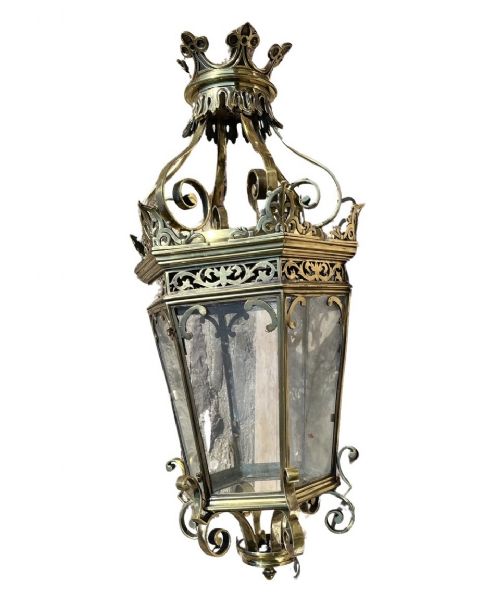
Buyers encounter French Empire and Louis XV styles alongside industrial pendants and Gothic Revival lanterns. The selection leans heavily towards French gilded bronze chandeliers and multi-tiered brass lanterns fitted with glass panels.
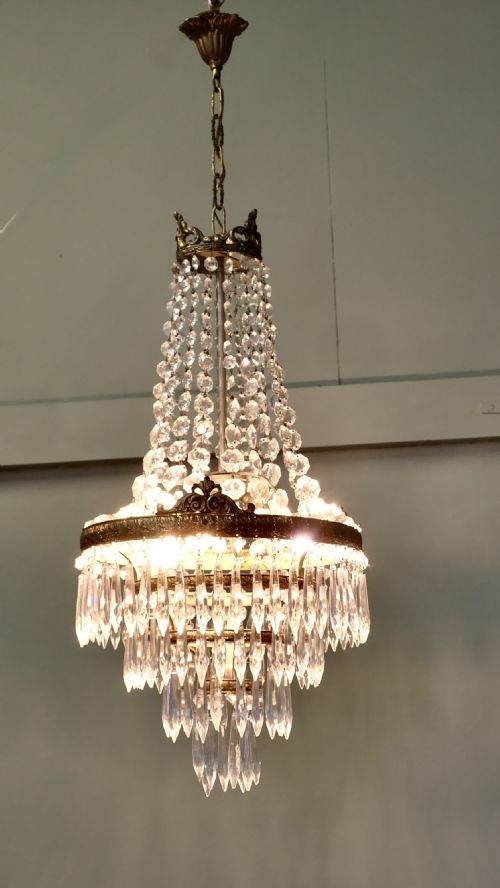
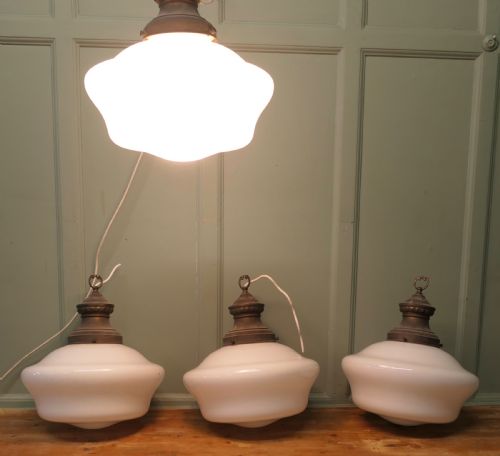
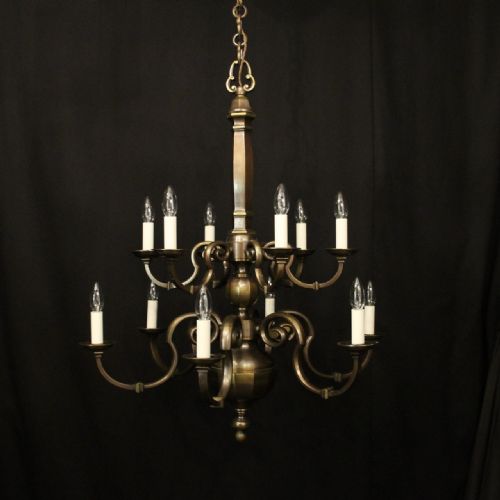
The form adapts from candle-era gasoliers converted to electricity to purpose-built twentieth-century electroliers. Format ranges from basket and waterfall crystal configurations down to simple opaline and moonstone glass pendants.
How They Were Made
Construction relies upon cast brass, gilded bronze, and structural steel combined with decorative glass elements. Metal frames are cast, chased, or spun before receiving hand-applied patination or gilding.
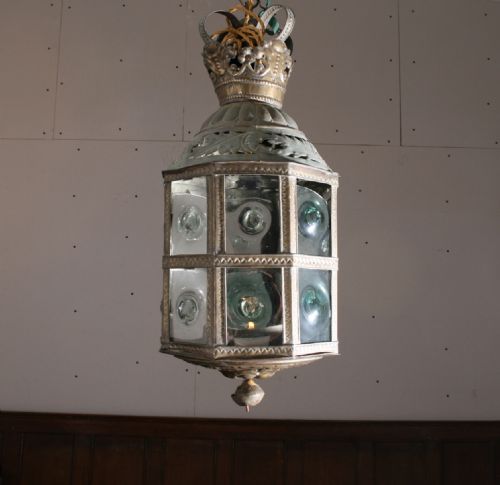
Glass components include hand-blown bulls-eye panes, bevelled plates, and moulded crystal lustres wired into place. Holophane shades and opaline bowls utilise specialised pressing techniques developed for commercial and domestic illumination.
Bulls-eye glass panes in old lanterns were spun by hand, leaving small central swirls that once warded off bad spirits.
What Varies in Quality
The distinction between tiers rests upon the crispness of metal casting and the depth of the chased ornament. Superior examples display substantial gauge brass and hand-finished bronze details rather than light stamped metal.
Quality reveals itself in the integrity of the glass components, from heavy cut crystal to thick, hand-blown panes. Original proportions, complete sets of lustres, and integrated galleries separate masterworks from assembled pieces.
Joseph Wilmotte·Baccarat
The Large Brass Ceiling Light Glossary
- Plafonnier
- A ceiling-mounted light fitting that sits flush or close to the ceiling surface rather than hanging on a long drop. These often utilise large moulded or frosted glass bowls held by brass galleries.
- Holophane
- A type of prismatic glass shade engineered to direct and diffuse light efficiently. It appears frequently in Edwardian and industrial contexts on this page.
- Gasolier
- A light fixture originally designed for gas illumination and subsequently converted to electricity. They often retain heavy brass tubing and specialist stopcocks.
- Lustre
- A cut glass pendant drop hung from the arms or crown of a chandelier. These refract light and indicate the decorative elaboration of the piece.
- Tent and waterfall
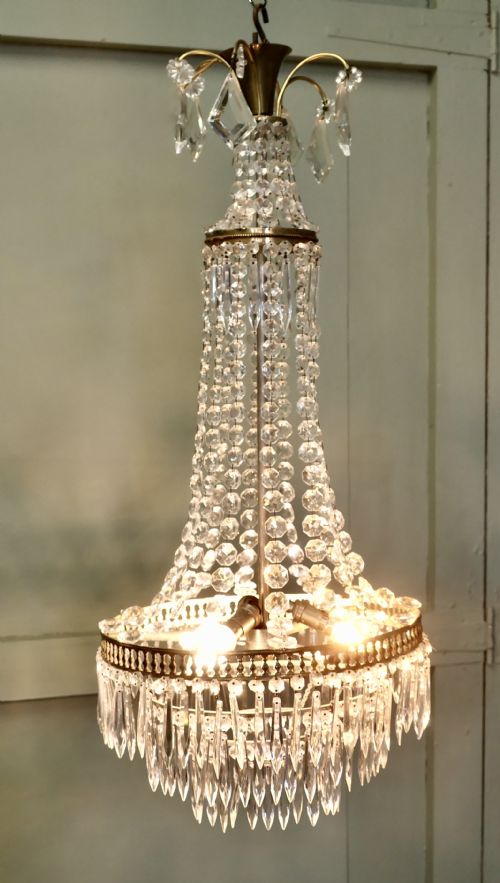
- A chandelier configuration featuring a gathered upper canopy of glass beads dropping down to a wider tiered ring below. It creates a cascading silhouette typical of Empire styling.
Large Brass Ceiling Light: Frequently Asked Questions
How do I hang a heavy brass chandelier?
Installation requires fixing directly into ceiling joists or installing a dedicated steel support bracket capable of holding the substantial weight of cast bronze and crystal.
Professional electrical installation ensures the internal wiring safely handles the load of multi-bulb fixtures.
Were these lights originally wired for electricity?
Many nineteenth-century examples started life holding candles or gas before conversion to electricity during subsequent decades.
Twentieth-century pieces were built for electric bulbs from the outset, often retaining period flex and original galleries.
How do I clean an antique glass and brass light?
Dust metal components gently with a dry microfiber cloth, avoiding aggressive commercial polishes that strip historic patination.
Crystal lustres and glass shades can be washed in warm soapy water when removed carefully from the frame.
How do I date a brass ceiling light?
Dating relies upon stylistic markers such as the restrained geometry of Art Deco pieces or the exuberant cast ornament of French Empire designs.
Construction methods, screw threads, and glass manufacturing techniques also provide clear chronological boundaries.