




Large Wall Print
A large antique wall print anchors a room with scale and history, bringing centuries of narrative, portraiture and cartography into domestic spaces.
Large Wall Print
When searching for a large antique wall print, you encounter pieces intended to command interior space through substantial dimensions and strong visual subjects. The selection spans the nineteenth century, Georgian era, and early decades of the twentieth century, bringing together framed engravings, lithographs, and hand-coloured maps. These items served as significant domestic decoration or scholarly display in past centuries, executed on paper and housed behind glass.
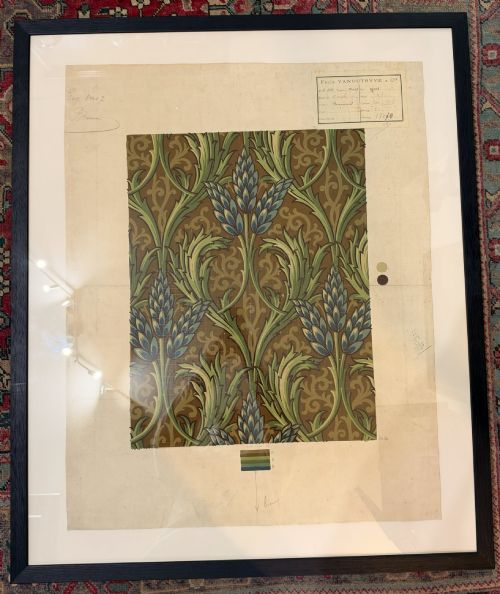
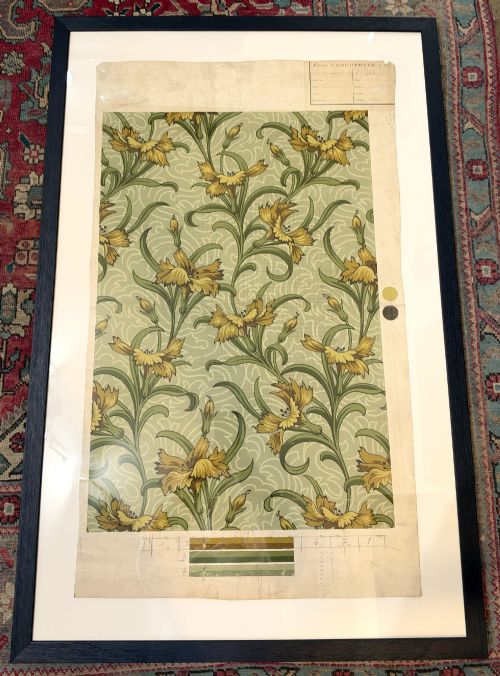
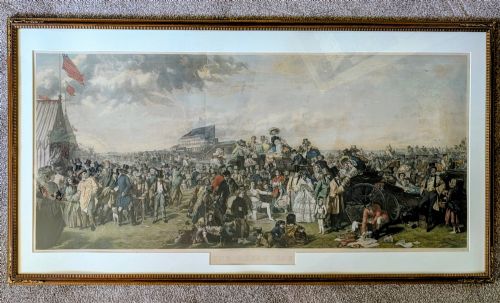
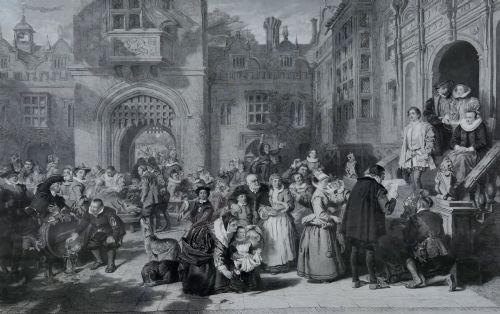
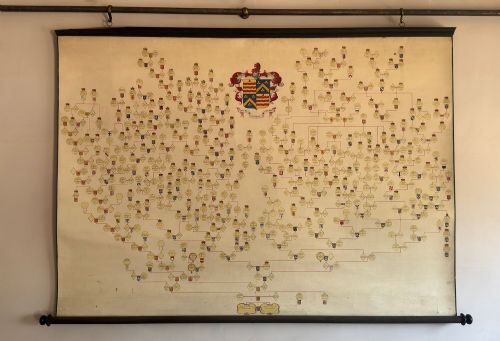
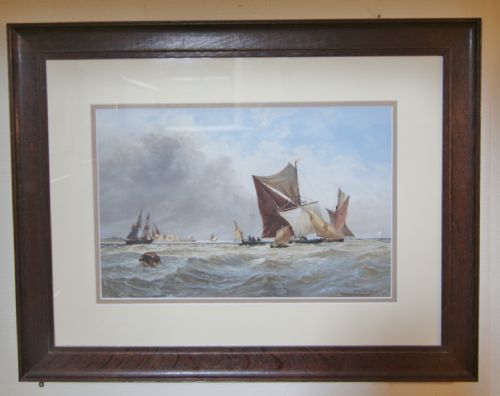
The visual subjects met on this page range widely from maritime scenes and architectural plans to botanical and ornithological studies. Many pieces derive from notable oil paintings or original drawings of their time, translated into print formats for broader appreciation. Others record family pedigrees, historical maps, and romantic narratives reflecting the tastes of Victorian and Edwardian interiors.
The physical presence of these works relies heavily on their original framing, often constructed from wood with giltwood accents or Hogarth moulding. Forms vary from vertical portraits and horizontal seascapes to expansive multi-plate panoramas and circular formats. Each piece carries the patina of age across paper, ink, and protective glass, marking its passage through domestic collections.
How they were made
The creation of these works centres on paper support treated with ink, watercolour, or lithographic pigments. Artisans utilised techniques such as engraving, mezzotint, and etching to transfer intricate lines onto the sheet, sometimes applying hand-colouring directly to the printed surface. Cartographic pieces and architectural plans often combine detailed engraved lines with delicate washes of colour.
Framing forms an integral part of the construction, employing traditional materials like oak, mahogany, and gessoed wood enriched with gold leaf. Glazing protects the delicate paper surfaces from atmospheric degradation, while backing boards of various timber types secure the assembly within the frame. Metal embellishments occasionally appear on specific textile or paper compositions, adding texture to clothing or decorative elements.
Large Wall Print Retail Price Guide 2026
Typical asking prices for large wall print among the pieces listed under this phrase on Sellingantiques today, from the lower quarter to the upper quarter. They describe what is for sale here now, not the wider market.
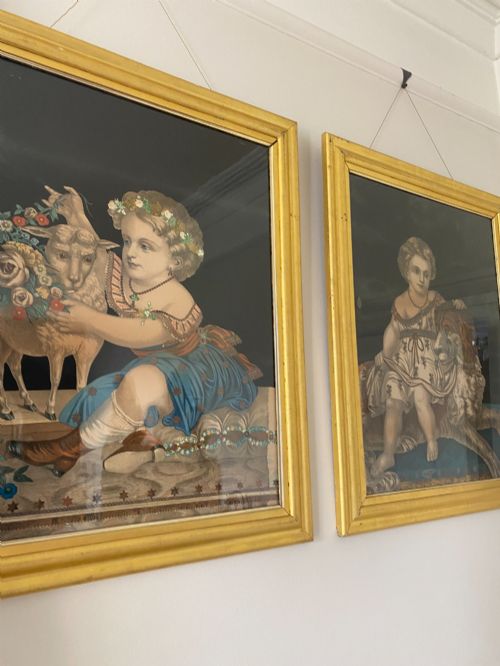
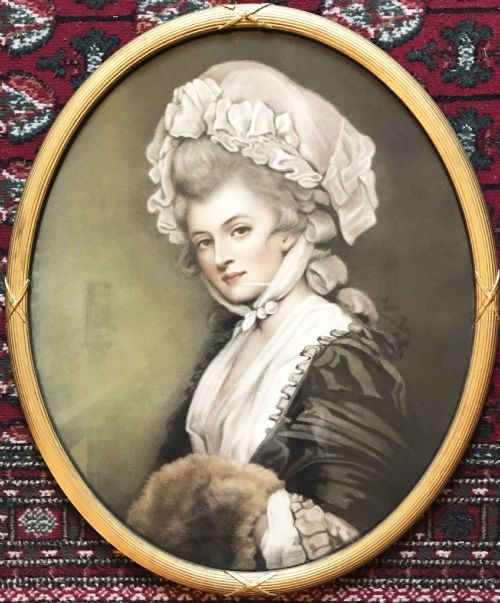
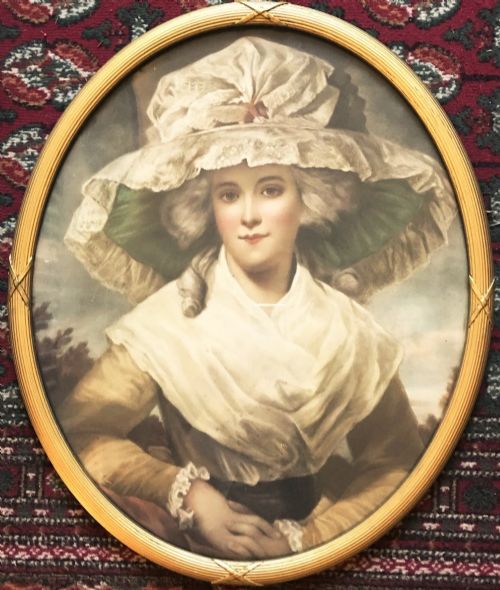
Several portraits feature young ladies wearing bonnets, while others display unusual metal embellishments stitched directly onto clothing.
What varies in quality
The distinction between tiers of quality rests upon the crispness of the impression and the fidelity of the plate transfer. Early strikes from an engraved or etched plate yield sharp, deep lines, whereas later impressions lose definition as the metal wears down. The depth of the ink and the preservation of subtle tonal gradations separate standard decorative prints from works of high artistic merit.
Material integrity and framing authenticity further define the standing of a piece. Original frames matching the period of the print, retain hand-gilded surfaces and timber patination that later replacements lack. The condition of the paper surface, free from heavy foxing or unskilful restoration, preserves the visual balance intended by the original publisher or artist.
William Daniell·Robert Morden·Jas Wyld·Thomas G Appleton·Otto Pilny
The Large Wall Print Glossary
- Engraving
- A printmaking technique where an artist cuts an image into a metal plate using a sharp tool called a burin. The resulting lines hold ink under pressure to transfer a sharp image onto paper.
- Mezzotint
- A tonal printmaking method developed on a roughened metal plate that allows smooth gradations of light and shade. This technique creates velvety dark areas and subtle mid-tones.
- Lithography
- A planographic printing process based on the repulsion of oil and water upon a limestone slab or metal plate. It enabled artists to produce rich, painterly reproductions of original drawings.
- Giltwood
- Timber carved and coated with gold leaf or metallic powder to create a reflective, decorative surface. It frequently frames grand portraits and historical prints.
- Gesso
- A plaster-like mixture applied to wooden frames as a smooth base before gilding or painting. It provides crisp relief detail for decorative moulding.
- Cartography
- The science and art of making maps, represented here through engraved and coloured historical plans of regions and countries. These documents record geographical knowledge of past centuries.
Large Wall Print: Frequently Asked Questions
How should I hang a large antique print?
Support heavy framed works securely from wall studs using appropriate fixings rather than relying solely on plasterboard hooks. Position the centre of the print at eye level to establish balanced proportion within the room.
Keep pieces away from direct sunlight and damp walls to protect fragile paper surfaces and original wooden frames from environmental damage.
Are these prints original period pieces?
The items listed originate from the periods stated in their descriptions, utilising historical printing techniques characteristic of those eras. Each piece reflects the production methods and materials of its specific decade or century.
Examination of the paper, ink, and framing reveals the genuine age and physical history of the artwork.
How do I care for antique wall art?
Maintain stable indoor temperatures and humidity levels to prevent the wood of the frame from warping and the paper from becoming brittle. Dust frames gently with a dry, soft cloth without applying liquid cleaners directly to the wood or glass.
Ensure backing papers and seals remain intact to protect the artwork from dust and insects over time.
What framing materials were used historically?
Makers utilised dense hardwoods such as oak and mahogany alongside softer timbers shaped with gesso and finished with gold leaf. Hogarth frames, characterised by their dark moulded profile with a thin inner gold slip, appeared frequently on eighteenth and nineteenth-century works.
Original glazing often shows small bubbles and irregularities typical of older glass manufacture.