

Victorian Artwork on Paper
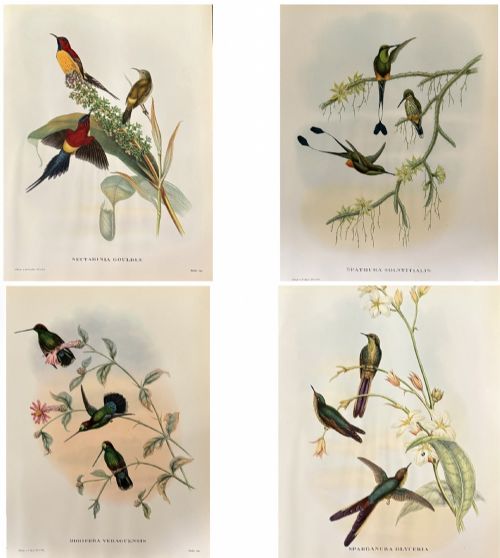
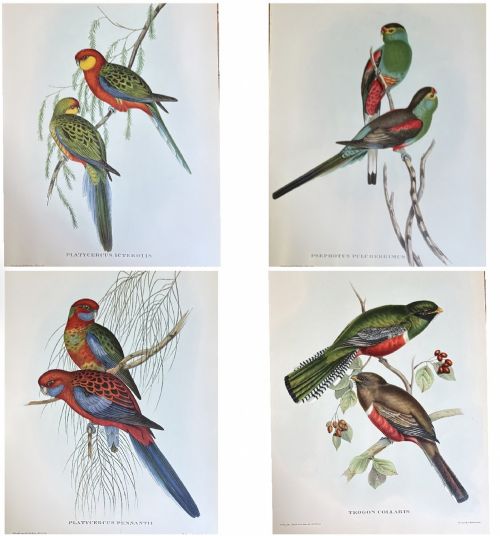
When you search for victorian artwork on paper, you encounter delicate watercolours, silhouette portraits, and detailed prints spanning the nineteenth century.
Victorian Artwork on Paper
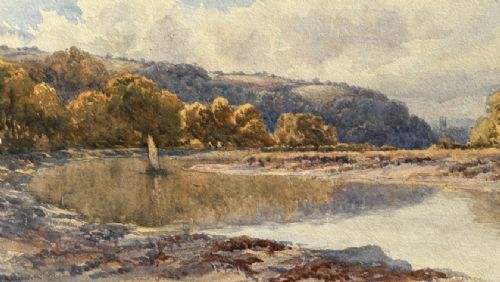
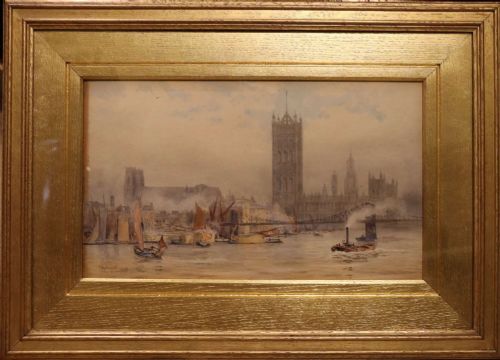
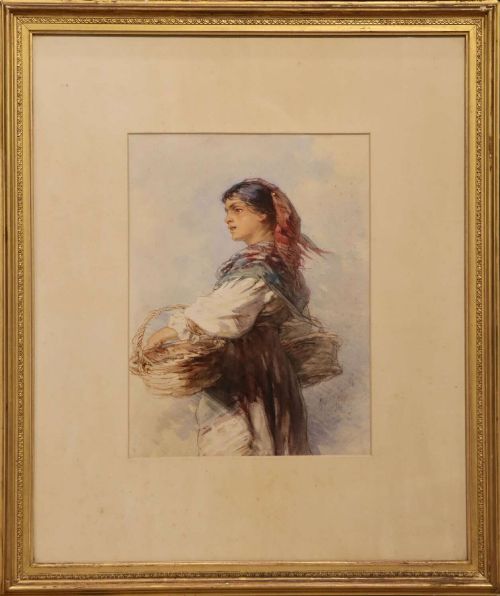
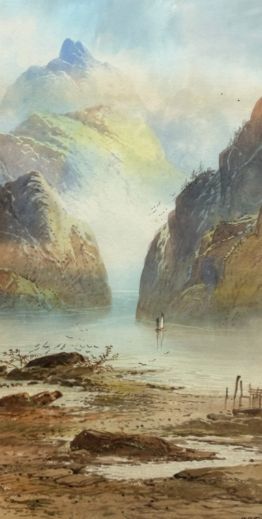
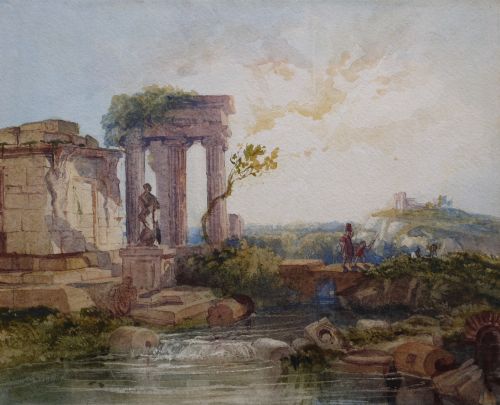
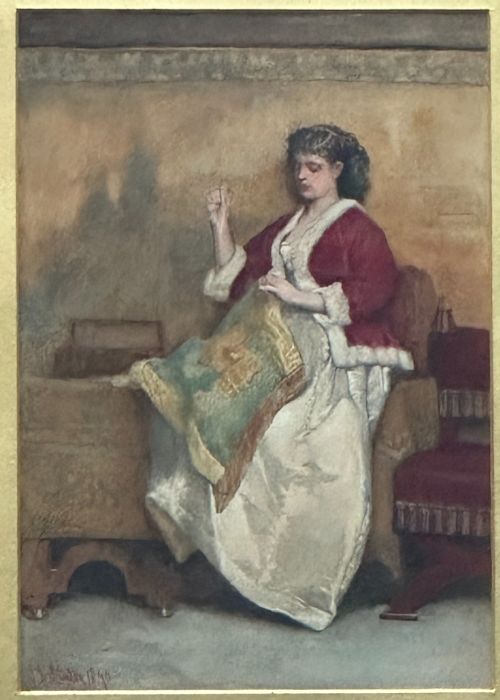
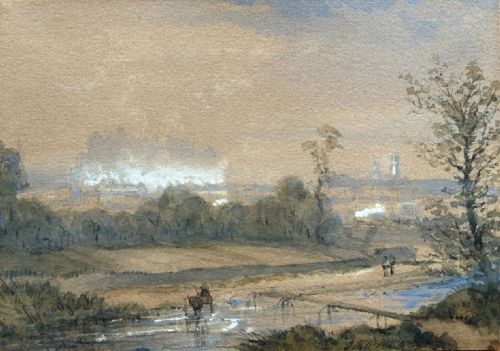
Victorian artwork on paper encompasses a diverse range of watercolours, ink studies, charcoal drawings, and period prints created during the nineteenth century. Buyers searching for these works will most frequently encounter hand-painted watercolours depicting landscapes, coastal scenes, and figures.
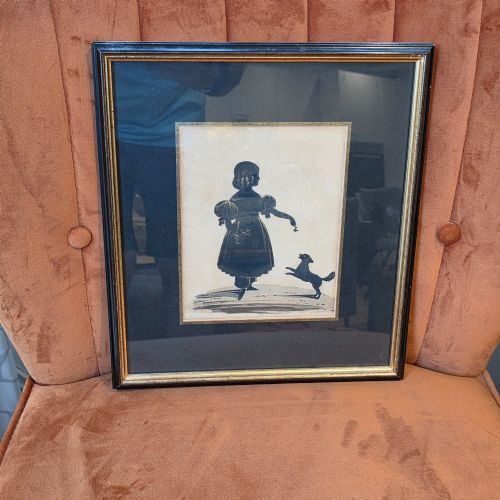
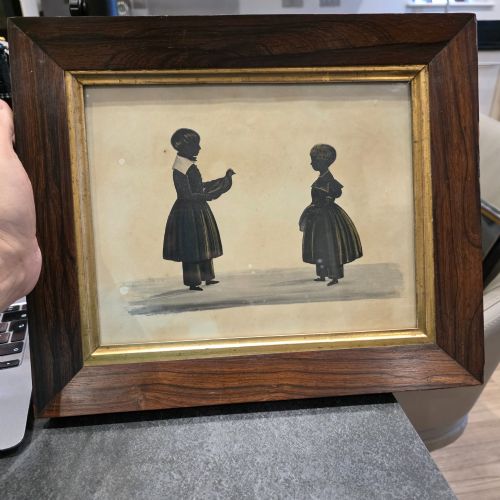
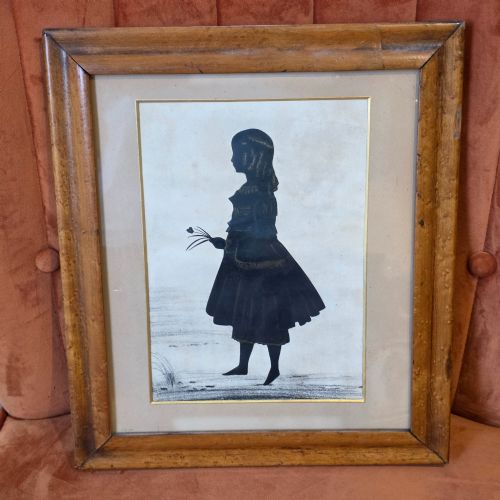
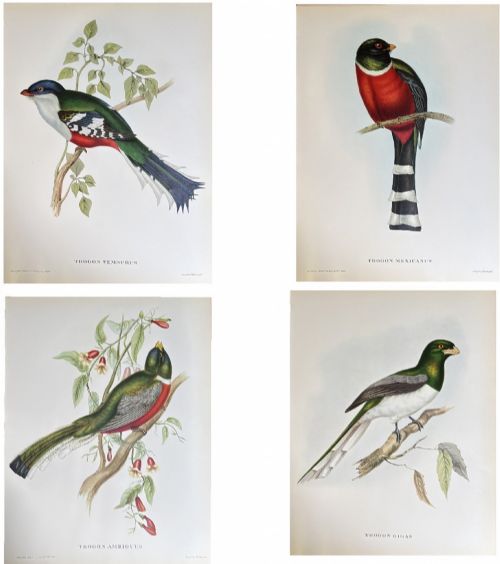
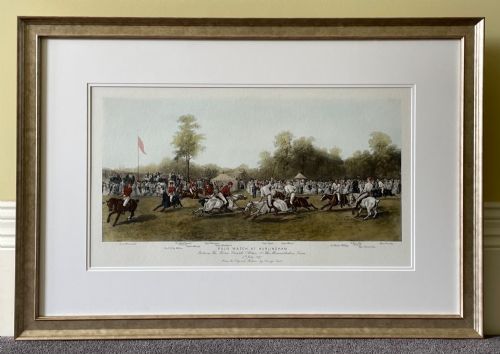
The selection also includes silhouette portraits executed in cut paper and watercolour, alongside nineteenth-century lithographs and engravings. These works span various styles, from academic realism to pre-raphaelite and orientalist compositions.
How they were made
Artists utilised paper as the primary support, applying watercolour pigments, bodycolour, ink, and charcoal to build depth and tone. Many works incorporate delicate touches of gold leaf or mixed media to enhance specific details within the composition.
Framed pieces often utilise wood and glass to protect the fragile paper surface from atmospheric moisture and handling. Silhouette works combine precision paper-cutting techniques with painted highlights in watercolour and ink.
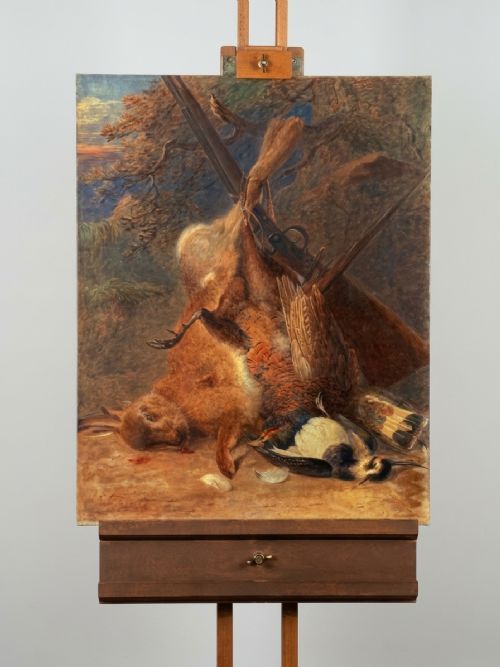
Gentlemen examining blue vases and howling dervishes share the Victorian paper landscape with trotting horses and perched pigeons.
What varies in quality
The distinction between standard works and exceptional pieces lies in the sureness of the draughtsmanship and the handling of pigment. Masterly control over watercolour washes and ink lines creates a palpable atmosphere that weaker student copies miss entirely.
Provenance and documentation also separate the finest examples from ordinary decorative sheets. Signed works by recorded nineteenth-century artists carry greater artistic weight than anonymous sketches of similar age.
William James Hubard·George Sydney Shepherd·James Orrock·William Henry Earp·Richard Principal Leitch·Sir James Dromgole Linton·John R Prentice·Alfred Young Nutt·Henry Stacy Marks·James Smetham·John McDougal·William Etty·Herbert Dicksee·Henry Silkstone Hopwood·Augustin Edouart·Hector Caffieri·David Roberts·Joseph H Barnes·Carl Haag·Alfred G Morgan·Bonomi Edward Warren
The Victorian Artwork on Paper Glossary
- Watercolour
- A painting method in which the paints are made of pigments suspended in a water-based solution. This technique allows for translucent washes and delicate tonal gradations on paper.
- Lithograph
- A printmaking process based on the mutual repulsion of oil and water. Artists draw directly onto a limestone slab or metal plate to produce multiple impressions.
- Silhouette
- A portrait or image represented as a solid shape of a single colour, usually black, showing profile only. These were frequently cut from paper and mounted on a contrasting background.
- Bodycolour
- Watercolour pigment mixed with a white filler to make it opaque. This medium adds solid highlights and dense areas of colour to works on paper.
- Etching
- A printmaking technique where lines are gouged into a metal plate with acid before ink is applied. The plate then transfers the detailed image onto paper under pressure.
Victorian Artwork on Paper: Frequently Asked Questions
How should I frame antique paper?
Antique works on paper require conservation-grade framing with acid-free mounts to prevent the paper from yellowing over time. Glazing with UV-filtering glass protects the delicate pigments from fading in natural light.
Keep these framed pieces away from direct sunlight and damp environments to preserve the integrity of the watercolour or print.
Are these works signed?
Many nineteenth-century watercolours and etchings feature the artist signature, initials, or contemporary inscriptions on the front or reverse. Unsigned pieces do occur, often attributed through style, technique, or period framing.
Documentation and artist attribution rely heavily on legible signatures and recorded exhibition labels found on the backing boards.
How do I identify a Victorian watercolour?
Victorian watercolours typically display the characteristic paper textures, watermark indicators, and pigment mixtures common to the nineteenth century. Stylistic cues such as subject matter, framing, and handling of light help narrow down the execution date.
Examining the work under magnification reveals the distinct brushwork and layering of bodycolour unique to the period.