
Large Tray
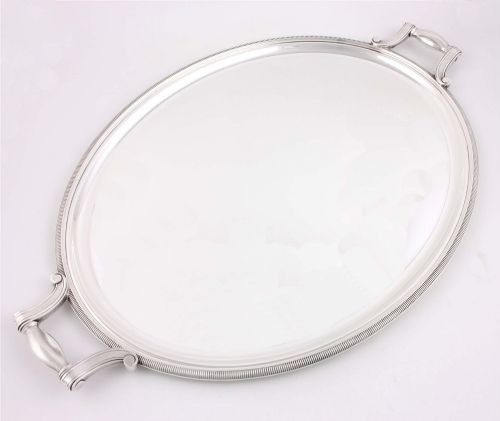
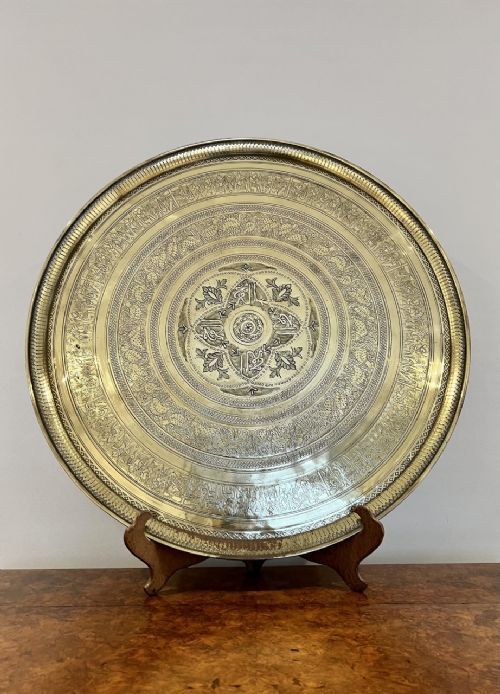
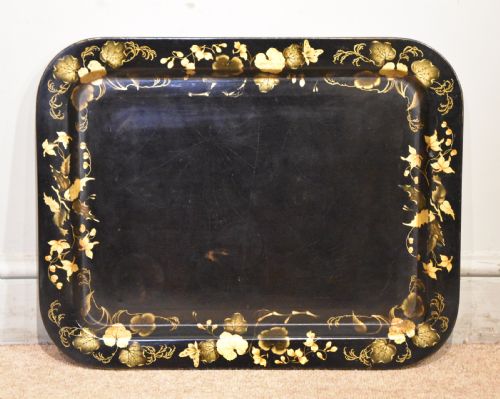
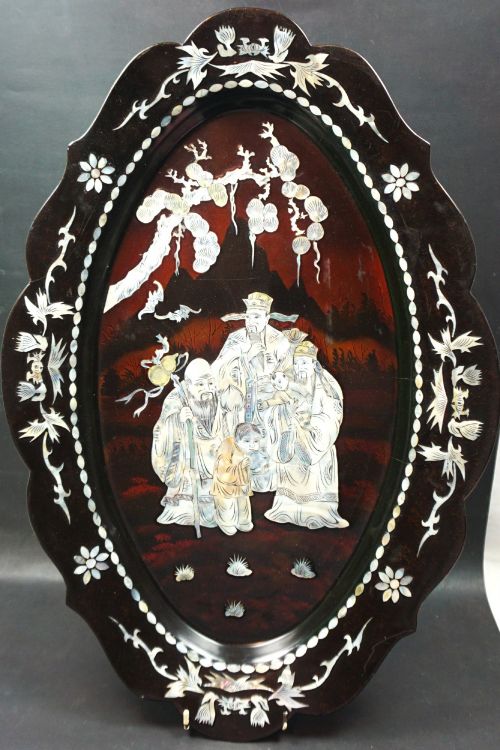
When you need a large antique tray, you are looking at substantial pieces of metal, wood and ceramic designed for service, display or organisation.
Large Tray
A large antique tray encompasses a wide array of functional domestic objects designed for carrying drinks, serving food or displaying items within the home.
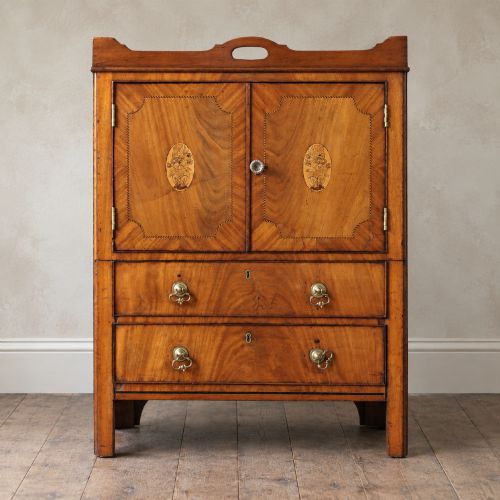
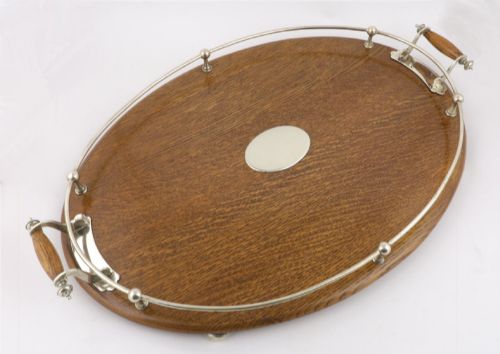
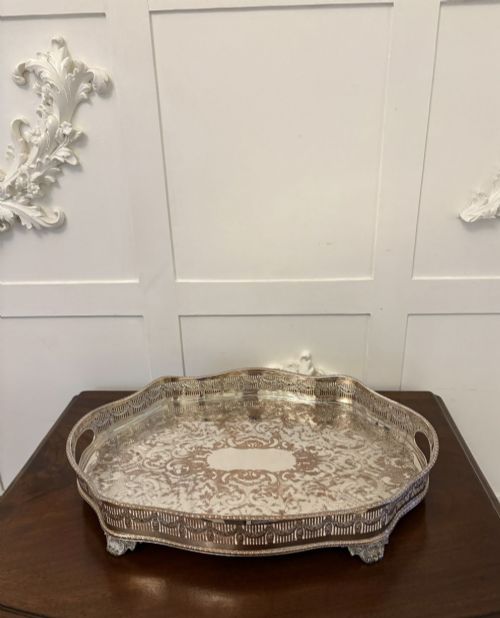
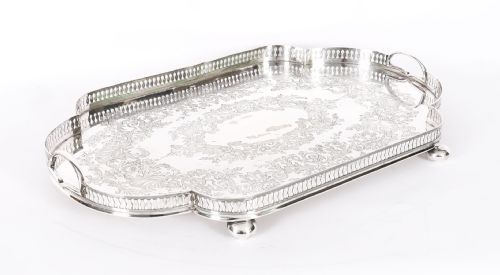
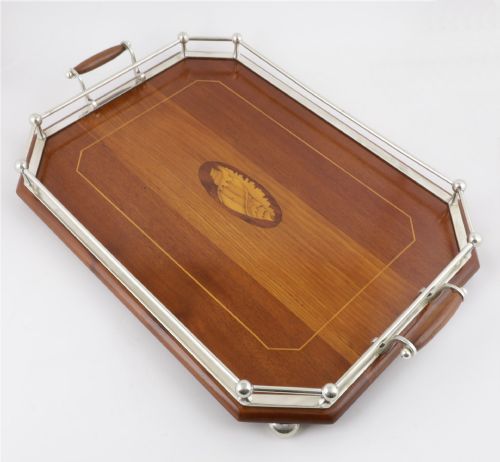
The selections span from Georgian mahogany tea caddies and serving boards to Victorian silver plated gallery trays and Edwardian hotelware.
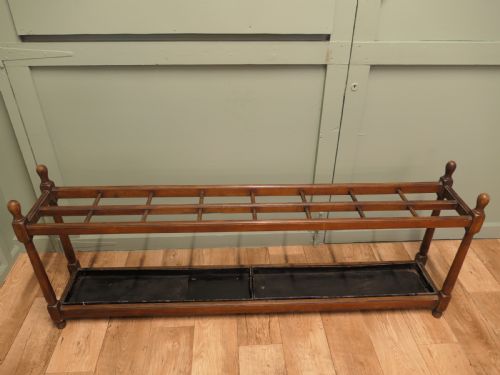
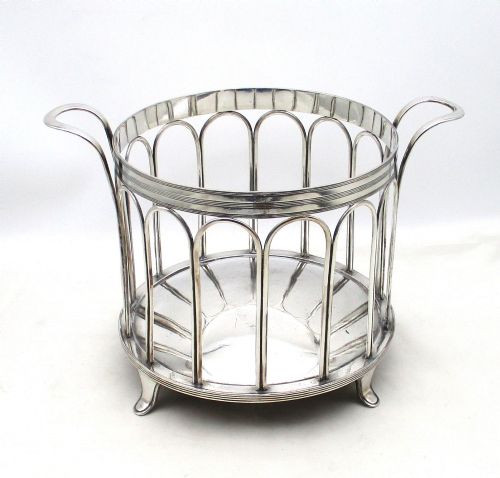
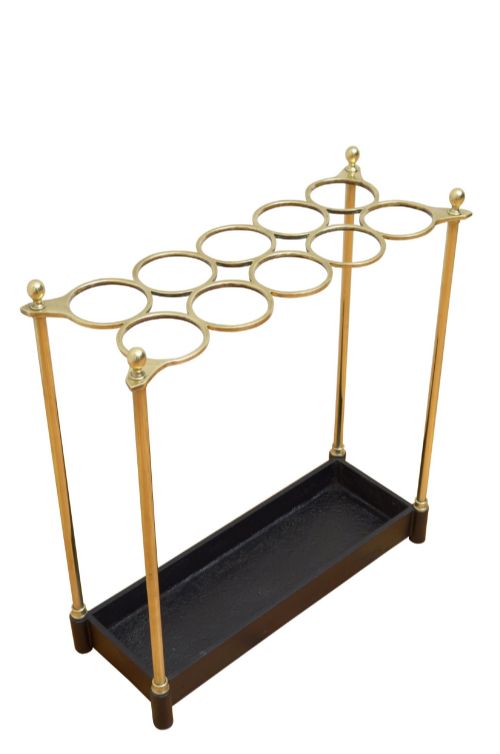
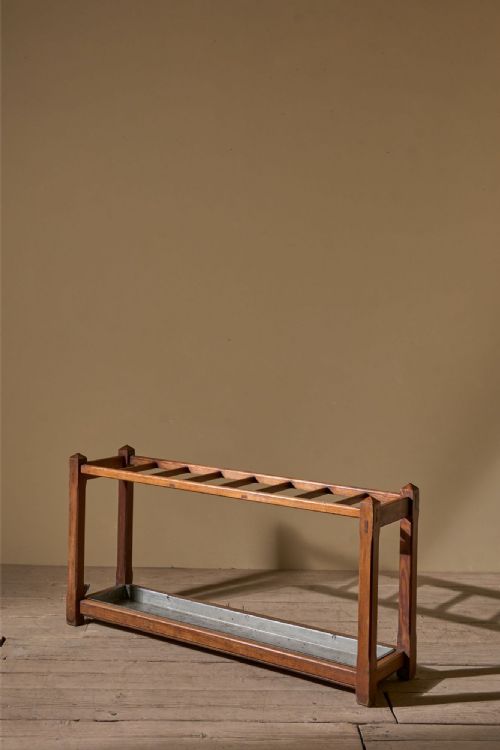
You will also encounter specialised variations including brass umbrella stands, copper chargers, ceramic meat platters and inlaid wooden cocktail servers.
How they were made
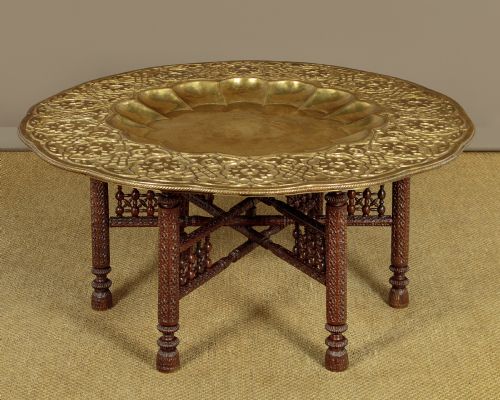
Metal versions rely on techniques such as silver plating over copper or base metals, alongside hand-beaten repousse work in copper and brass.
Wooden examples utilise figured mahogany, oak and papier mache, frequently enhanced with marquetry inlay, mother of pearl or gilded details.
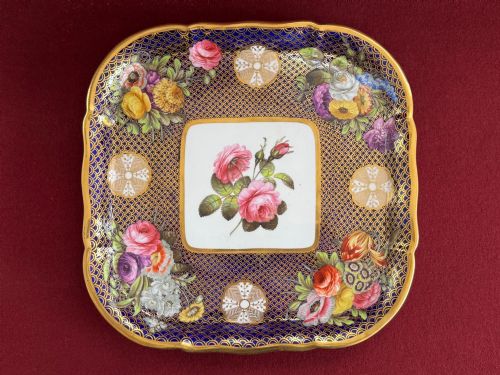
Ceramic and porcelain platters demonstrate transfer printing and hand-painted glazes fired in kilns across English and continental factories.
Listings feature items spanning from the eighteenth century through the Georgian, Victorian, Edwardian and Arts and Crafts periods.
What varies in quality
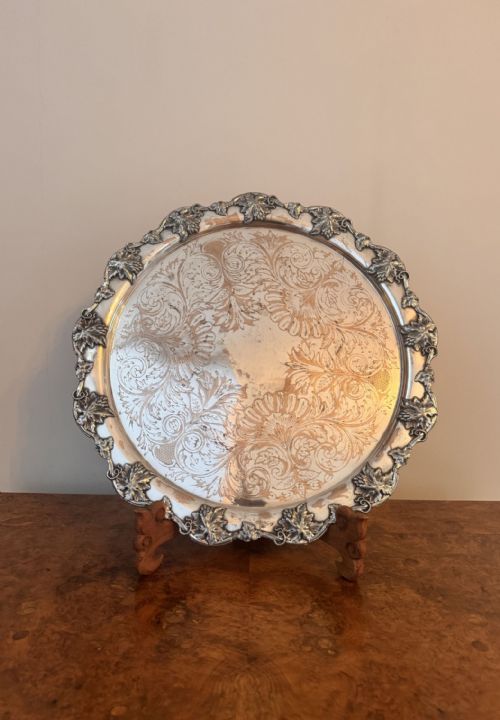
The distinction between standard domestic items and high-end pieces lies in the weight of the metal, the crispness of chased engraving and the depth of silver deposition.
On wooden trays, quality shows in the thickness of the timber, the tightness of the dovetail or mitre joints and the precision of any shell or wood inlay.
Master craftsmanship is further revealed in applied cast handles and gallery pierced borders that remain rigid and true rather than flexible under weight.
James Deakin·Christofle·Hugh Wallis·Robert W Smith·William Marshall·Paul Storr
The Large Tray Glossary
- Gallery tray
- A tray featuring a raised pierced or solid gallery wall around its perimeter to prevent items from sliding off during service.
- Old Sheffield Plate
- An early fused plating technique where a layer of silver is fused to a copper core, often identifiable by a thin visible line of copper on edges.
- Salver
- A flat metal plate or tray traditionally used for presenting cards, letters or drinks, frequently raised on small feet.
- Repousse
- A metalworking technique where the metal is hammered from the reverse side to form a raised design in relief on the front.
- EPNS
- Electro Plated Nickel Silver, a common base metal composition introduced in the nineteenth century for silver plated wares.
Large Tray: Frequently Asked Questions
How are large antique trays cleaned?
Silver plated and solid silver pieces require gentle cleaning with dedicated metal polishes to preserve the underlying plating and chased details.
Wooden and papier mache surfaces should be maintained simply by dusting with a dry cloth and avoiding excess moisture.
Can I use these trays for serving food?
Many metal and ceramic platters remain entirely functional for serving food and drinks during modern gatherings and dinner parties.
Silver plated items used for food service should be washed promptly by hand rather than placed in automated dishwashers.
How do I date a silver plated tray?
Dating relies on maker marks, style characteristics such as Art Nouveau motifs or Victorian floral engraving, and the underlying base metal technology.
Sheffield plate predates widespread electroplating, while Edwardian and later pieces frequently carry distinct manufacturer hallmarks or registration numbers.
Where should I display a large tray?
Large trays function well placed flat on coffee tables, mounted on walls using appropriate brackets, or stood upright on sideboards.
Gallery trays with high rims also serve effectively as cocktail bases on bar carts or side tables.