

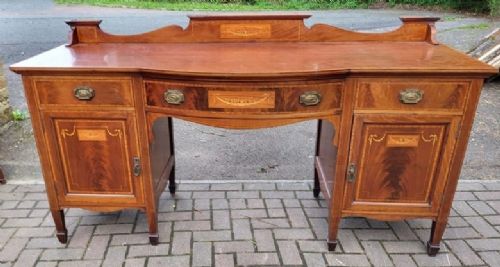


Large Server Cabinet
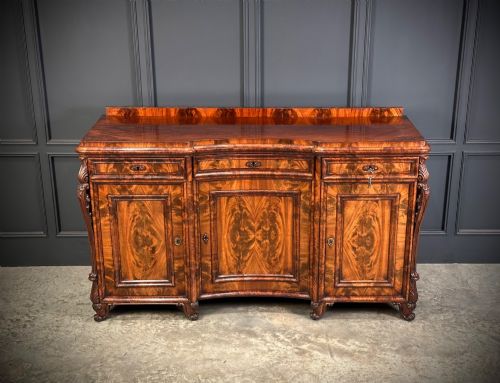
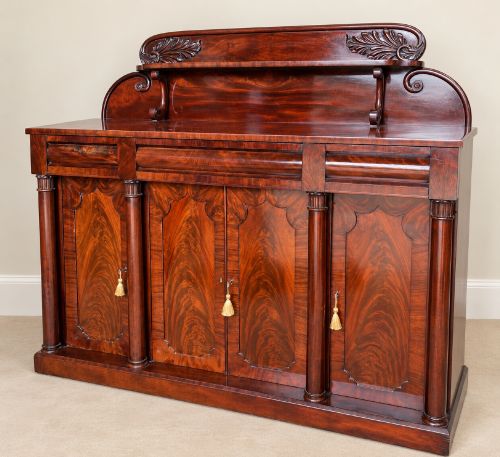
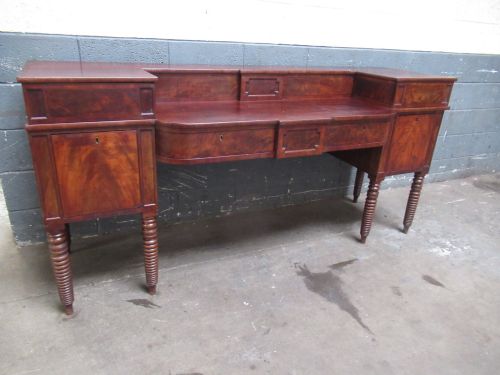
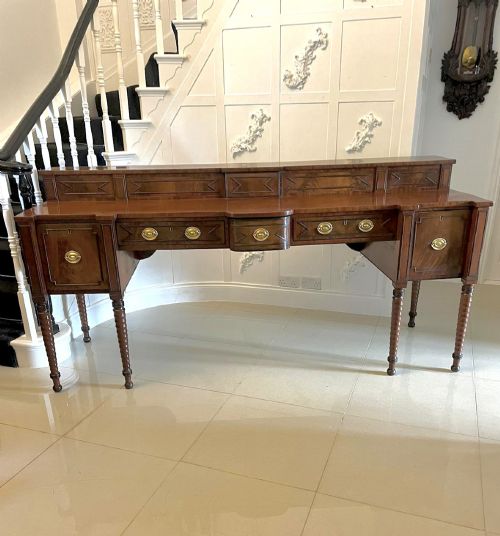
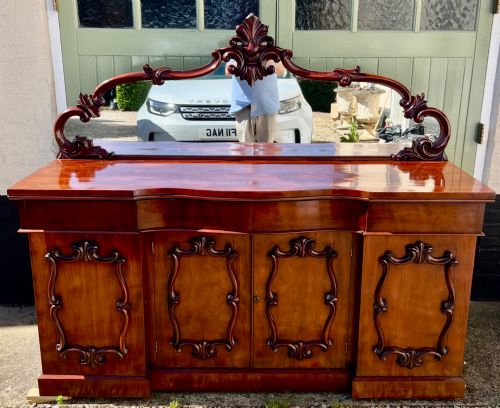
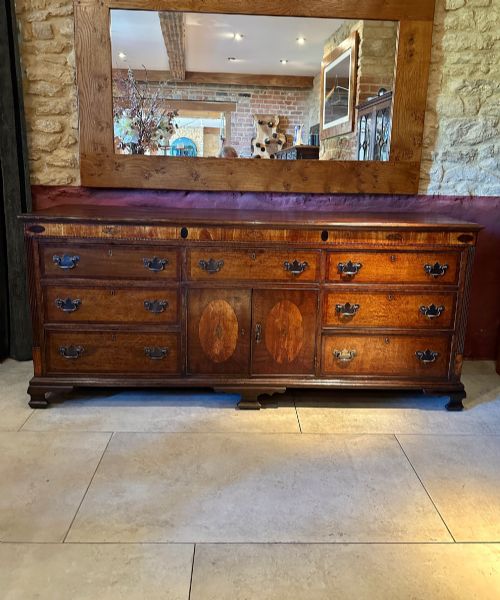
A large antique server cabinet provides substantial dining room storage, and these robust mahogany and oak pieces range from Georgian pedestals to Victorian breakfronts.
Large Server Cabinet
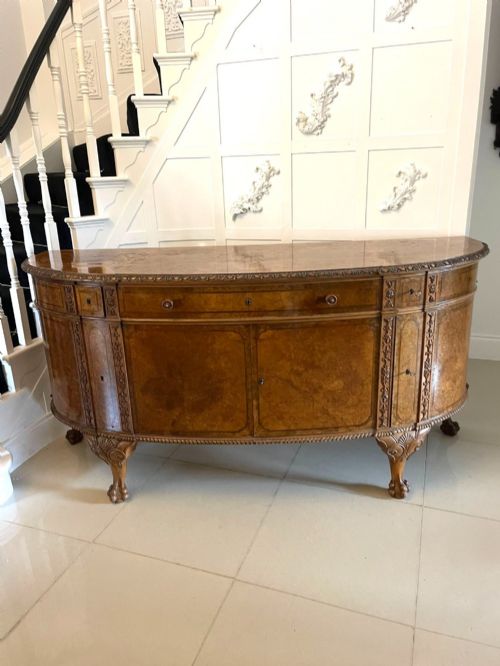
A large antique server cabinet encompasses substantial dining room furniture built for storage and serving, appearing primarily as sideboards, credenzas, and dresser bases across this selection.
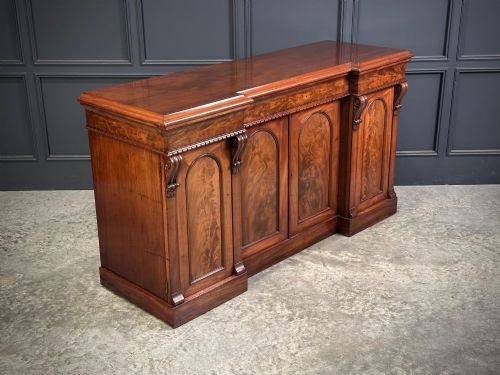
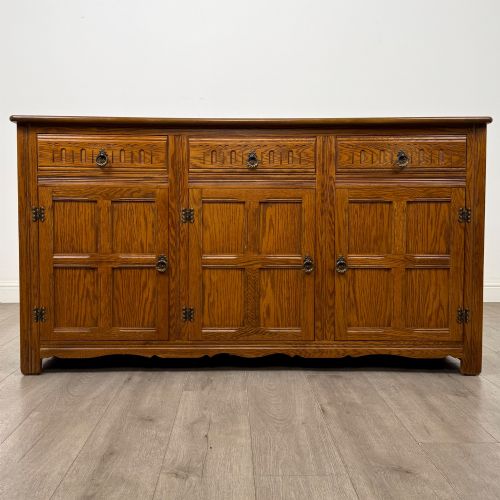
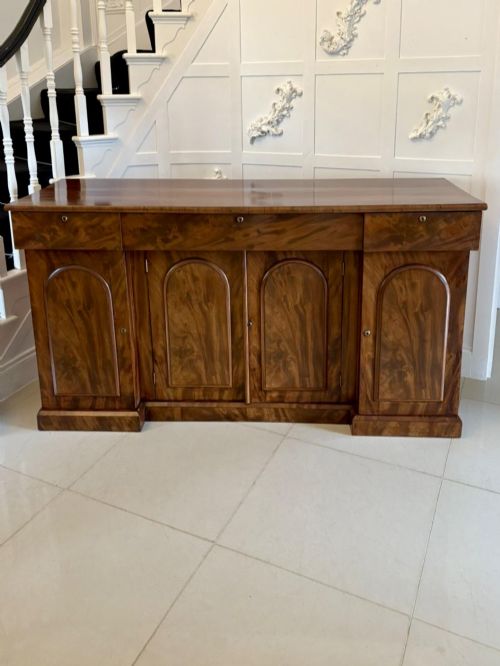
Buyers seeking a large antique server cabinet will most frequently encounter Victorian and 19th-century mahogany and oak examples featuring multi-door cupboards and drawers.
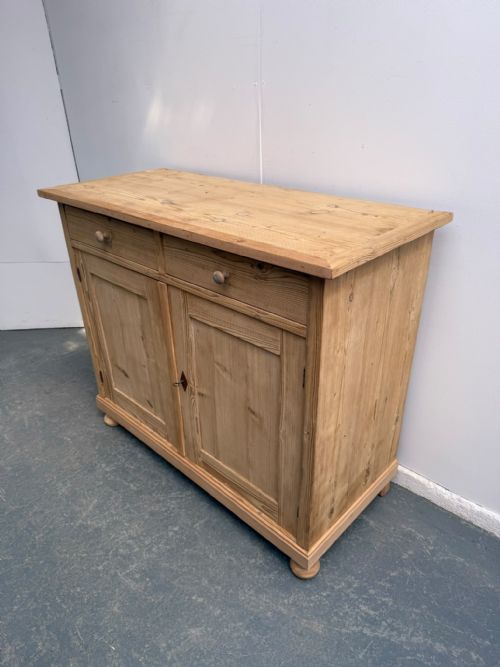
The assortment spans formal George III breakfronts and Regency pedestal designs alongside heavy Victorian Gothic buffets and country pine dresser bases.
Factors of quality and execution
Superior examples display carefully selected flame or figured mahogany and walnut veneers matched across multiple doors and drawers.
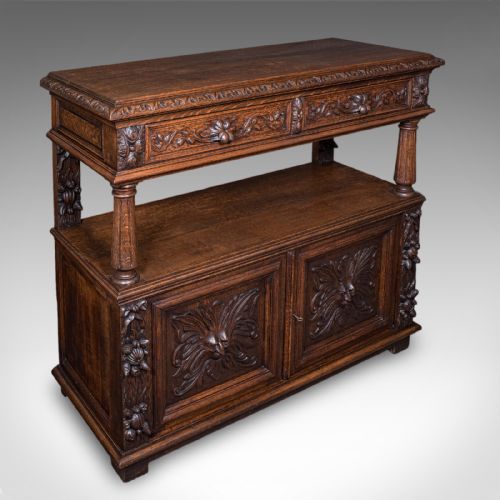
Carving depth and sharpness separate standard production from exceptional pieces, particularly on Victorian oak buffets and Chippendale revival serves.
Internal joinery, drawer linings, and the retention of original brass hardware and surface patination indicate the standard of original craftsmanship.
The material palette extends beyond standard mahogany to include pitch pine, pollard oak, walnut, and mother of pearl inlay.
Robson & Sons
The Large Server Cabinet Glossary
- Breakfront
- A cabinet design where the central section projects forward from the flanking sections. This configuration creates dynamic shadow lines and extra internal depth.
- Credenza
- A low-profile storage cabinet originating in Italy, typically featuring multiple doors and used for serving food or displaying objects.
- Dresser base
- A sturdy wooden lower cabinet fitted with drawers and cupboards, historically used in kitchens and dining rooms for food preparation and storage.
- Pedestal sideboard
- A form featuring two distinct pedestals flanking a central serving well or recessed cupboard, popular during the Regency and Victorian eras.
- Flame mahogany
- A veneer cut from timber fork junctions where the grain creates a flickering, flame-like pattern prized by cabinet makers.
Large Server Cabinet: Frequently Asked Questions
What is a large antique server cabinet used for?
These large pieces serve as dining room storage for tableware, linens, and bottles while providing a surface for serving food during meals.
Today, they function as focal points in large living spaces or dining rooms, offering generous cupboard and drawer capacity.
How do I identify a Victorian sideboard?
Victorian examples often feature heavy proportions, bold carvings such as Green Man motifs, and dark figured mahogany or oak timbers.
They frequently incorporate four doors, breakfront profiles, or mirrored backs, reflecting the industrial and stylistic confidence of the 19th century.
What is the difference between a sideboard and a credenza?
Sideboards traditionally stand taller with integrated drawers and cupboards designed specifically for dining room service.
Credenzas generally feature a lower profile without legs, running flush to the floor, often accented with more elaborate inlay or walnut veneers.
How do I fit a large server cabinet into a modern home?
Due to their substantial depth and length, these cabinets require considerable wall space and a room with appropriate proportions.
They anchor large dining rooms or open-plan living areas effectively, providing deep internal storage that easily swallows modern dining accessories.