



Large Lamps
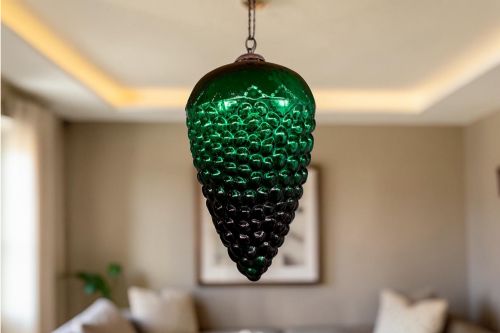
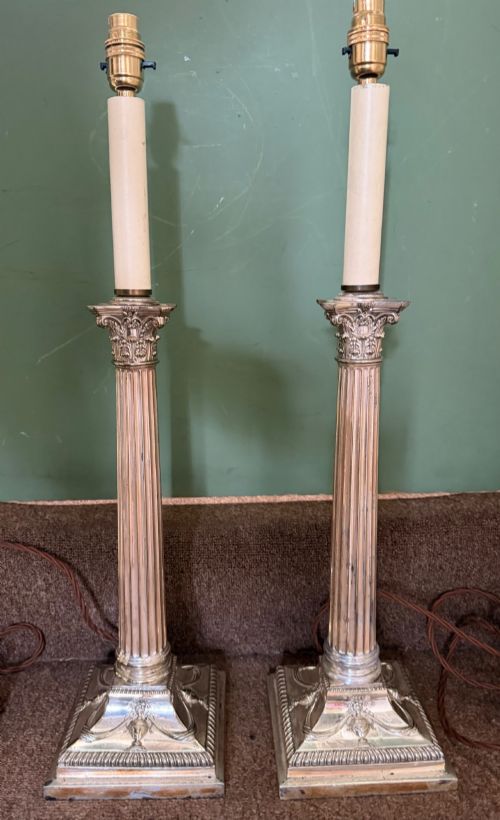
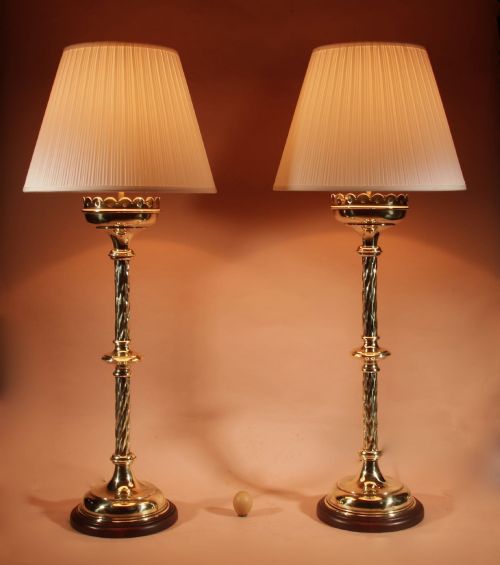
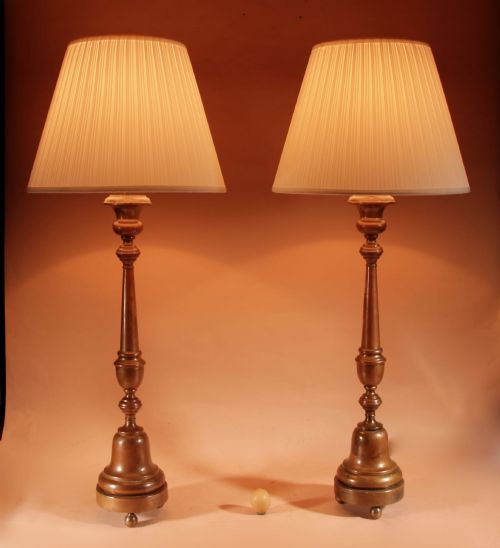
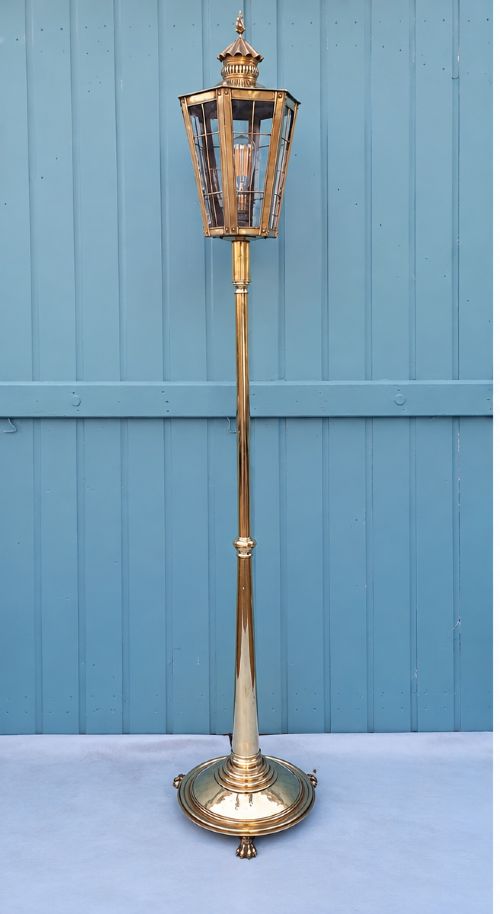
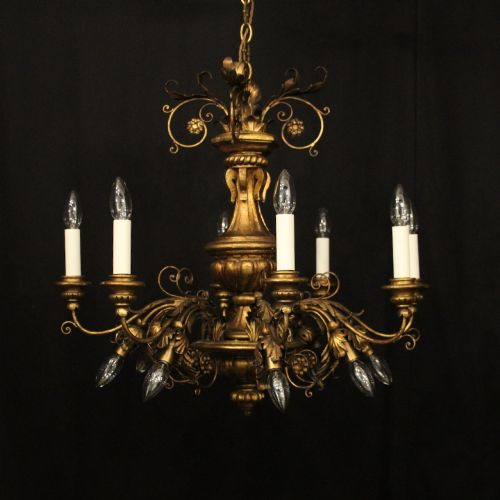
Large antique lamps bring height and presence to a room, spanning floor standing lanterns, heavy bronze chandeliers, and converted porcelain vases.
Large Lamps
Large antique lamps encompass substantial floor lamps, table lamps, standard lamps, chandeliers, lanterns, and pendant lights designed to illuminate and anchor grand spaces. When exploring large antique lamps on this page, buyers encounter domestic lighting and converted vessels dating from the nineteenth century through the early twentieth century.
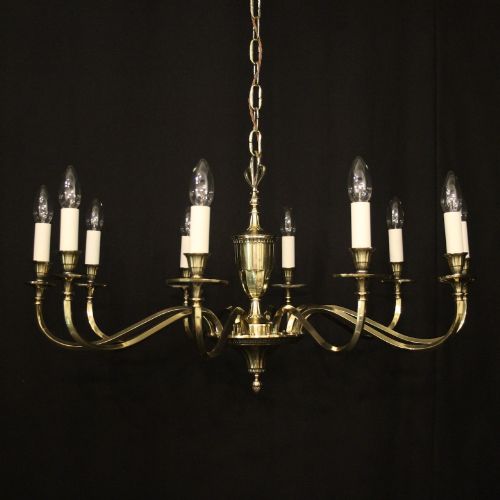
The selections include floor standing lantern lights, heavy gilt brass and crystal chandeliers, and table lamps fashioned from Paris porcelain and Chinese vases. Styles range from Victorian and Edwardian to Art Deco, French Empire, and Neoclassical.
Makers and designers of note appear across the listings, such as Eileen Grey and L & F Moreau, alongside pieces produced in workshops in France, England, and Japan. Forms vary from church lights and street lanterns to alabaster urns and walnut standard lamps.
How they were made
Construction relies on durable metalwork including brass, bronze, copper, gilt bronze, and cast-iron, shaped into columns, brackets, and frames. Many pieces combine these metals with cut glass crystal, opaline glass, or carved pine and walnut timber.
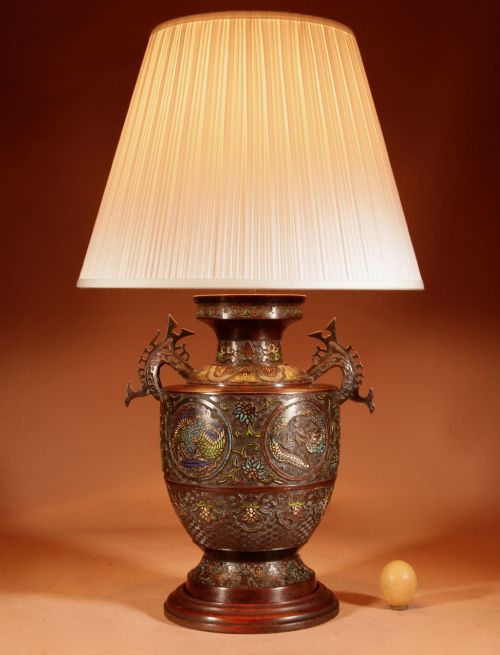
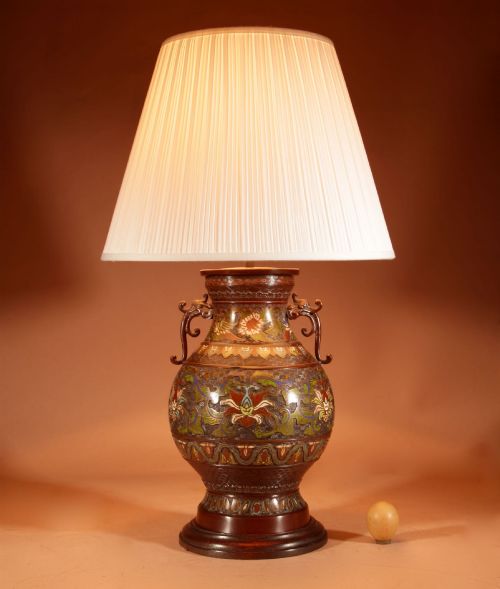
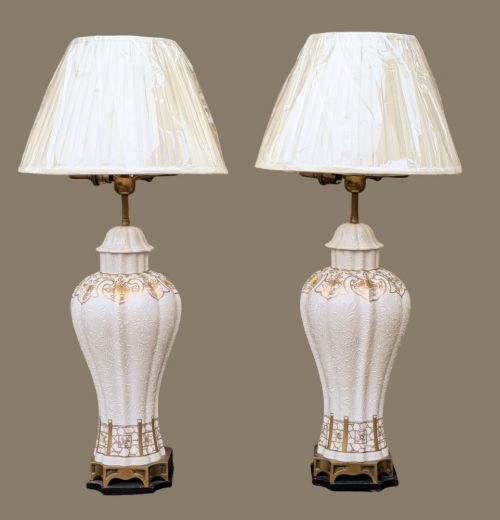
Ceramic elements utilise Paris porcelain, ironstone, and Chinese celadon or blue and white porcelain, frequently adapted from earlier vases and jars into wired lamps. Decorative detailing incorporates enamel champlevé, marquetry inlay, gilt brass mounts, and faux lapis lazuli columns.
Large Lamps Retail Price Guide 2026
Typical asking prices for large lamps among the pieces listed under this phrase on Sellingantiques today, from the lower quarter to the upper quarter. They describe what is for sale here now, not the wider market.
Listings feature materials spanning brass, glass, fabric, bronze, porcelain, wood, gilt bronze, and copper across eight distinct periods.
What varies in quality
Substantial differences in quality stem from the heft of the cast metal, the crispness of the chasing on gilt bronze, and the purity of the cut glass crystal. Superior examples display intact mercury gilding, precise carving in timber or alabaster, and original patination earned through age rather than artificial treatment.
The integration of converted vessels dictates value, as professional mounting preserves the structural integrity of antique vases and urns without compromising the original body. Artisanal execution, such as hand-enameled champlevé or signed foundry work, elevates standard lighting fixtures into sculptural focal points.
Eileen Grey·L & F Moreau·Hicks and Meigh·Mc Gary
The Large Lamps Glossary
- Chandelier
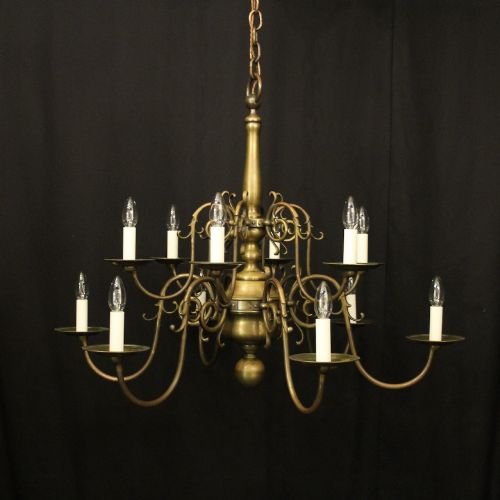
- A branched suspended light fixture designed to hold multiple bulbs or candles. They often feature cut glass crystal drops and gilt brass frames.
- Standard lamp
- A tall freestanding lamp designed to stand directly on the floor. These frequently incorporate heavy timber columns or weighted metal bases for stability.
- Newel post lamp
- A decorative light fixture mounted on the terminating post of a staircase. Edwardian examples in brass are typical of this form.
- Champlevé
- An enamelling technique where troughs or cells are sunk into the surface of a metal object and filled with vitreous enamel. Japanese table lamps often utilise this decorative method.
- Opaline glass
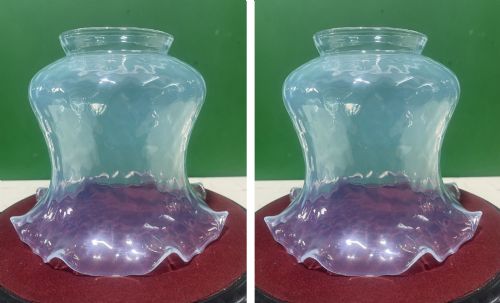
- A milky, translucent glass popular during the nineteenth century. It diffuses light softly and is frequently paired with gilt brass mounts.
Large Lamps: Frequently Asked Questions
How do I safely wire an antique lamp?
Rewiring requires a qualified electrician to inspect the internal components, replace degraded vintage cords, and ensure the socket meets modern safety standards while preserving the original exterior hardware.
For converted vases or heavy metal standards, care must be taken to run wiring cleanly without drilling through fragile ceramic bodies or destabilising weighted bases.
What is a standard lamp?
A standard lamp is a tall freestanding floor lamp designed to provide ambient illumination without needing a table for placement.
These pieces utilise heavy timber, brass, or cast-iron shafts anchored by wide bases to support large fabric shades safely.
How do I distinguish Victorian lighting styles?
Victorian pieces often feature robust brass construction, elaborate oil lamp mechanisms, and rich ornamentation reflecting historical revivals like Gothic or Classical design.
Earlier nineteenth-century examples may display maker stamps and patents, whereas later Victorian items lean towards heavy cast-iron and opaline glass combinations.
Can I use LED bulbs in antique chandeliers?
LED bulbs work well in antique chandeliers because they emit minimal heat, protecting delicate glass crystals, wiring, and historical gilt finishes from thermal damage.
Choosing warm colour temperatures ensures the artificial light mimics the soft glow of historical candlepower or early incandescent illumination.