




Large Key
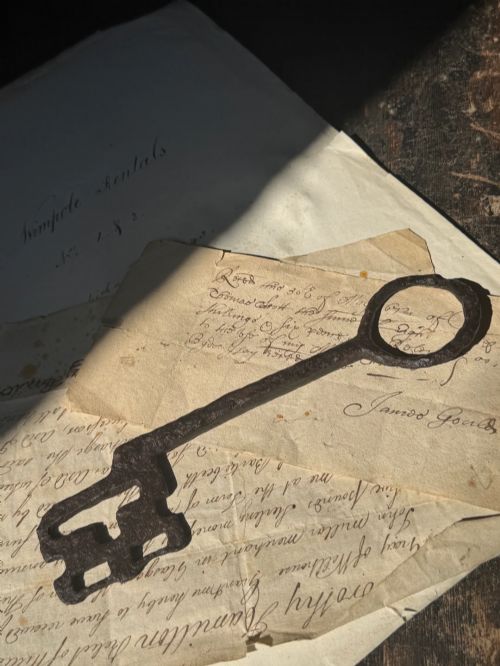
A large antique key carries the solid weight of old iron, brass or steel, offering a tangible link to medieval gates, Victorian chests and heavy household doors.
Large Key
A large antique key spans diverse forms, from fourteenth-century wrought iron specimens to nineteenth-century brass security pieces and presentation silver objects. Buyers seeking a large antique key encounter single heavy items alongside bunches of Georgian steel keys and locks with their original mechanisms intact.
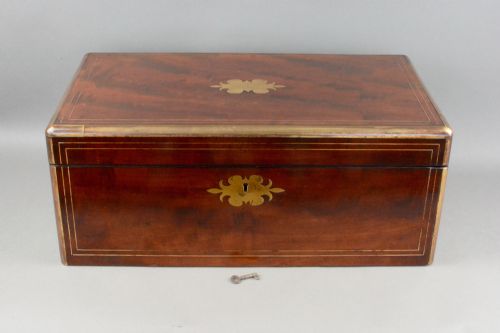
The evidence shows these items function both as standalone metalware and as operational hardware accompanying larger pieces like writing slopes, padlocks and campaign boxes. They emerge from periods ranging from pre-sixteenth century medieval epochs through to the Edwardian era.
Originating predominantly from English and French workshops, these items reflect utilitarian blacksmithing and refined brassfounding. Their presence on this page highlights a steady trade in historic security devices and architectural salvage.
What varies in quality
The distinction between ordinary utility items and superior examples lies in the crispness of the hand-filed bit and the sculptural form of the bow. Fine execution shows purposeful shaping rather than rough casting marks, preserving clear lines after centuries of handling.
Completeness dictates standing among collectors, particularly where an original padlock, matching lock or engraved presentation inscription survives intact. The preservation of original surface finishes, whether polished brass or patinated iron, separates exceptional survivals from heavily altered pieces.
Recorded forms include standalone security keys, bunches of Georgian steel keys, padlocks with original mechanisms and silver presentation items.
J Dixon·Joseph Sankey
The Large Key Glossary
- Bit
- The profile cut at the end of a key that engages with the levers or wards inside a lock. Its complex shape determined which specific mechanism it could operate.
- Bow
- The loop or handle at the top of a key designed for holding and turning. Elaborate bows often indicate the status of the building or chest the key secured.
- Wrought iron
- Iron heated and hammered into shape by a smith, identifiable by its fibrous grain and dark, patinated surface. It provides the material strength for early medieval pieces.
- Padlock
- A portable lock with a shackle that can be opened and secured with a key. Antique examples often feature heavy brass or steel casings with operational mechanisms.
- Presentation key
- A ceremonially engraved key, frequently fashioned from solid silver, given to mark the opening of a building or a civic honour. These items prioritised display and commemorative detail over utilitarian function.
Large Key: Frequently Asked Questions
What were large antique keys used for?
These items secured heavy timber doors, town gates, strongboxes, padlocks and institutional chests across domestic and civic properties. Their substantial scale matched the heavy security requirements of past centuries.
Beyond basic security, some served as ceremonial presentation pieces given during civic building openings or significant municipal events. Others functioned as letter clips or architectural hardware mounted on walls.
How do I date an antique key?
Dating relies on examining the manufacturing technique, metal composition and the complexity of the bit and bow design. Wrought iron examples with simple, hand-hammered shapes often point to medieval or pre-sixteenth century periods.
Later nineteenth-century pieces display cleaner cast brass or polished steel construction. Associated items like accompanying locks or dated presentation inscriptions also provide firm chronological markers.
Are these keys still operational?
Many retain their original working condition and can still turn compatible antique locks, padlocks and campaign boxes. Their physical integrity depends on the preservation of the metal and the internal mechanism.
Some examples sold alongside wall brackets or as letter clips function purely as decorative display items rather than working security hardware.
What metals are these pieces made from?
The listings record wrought iron, polished steel, brass and solid sterling silver. Medieval and early pieces typically utilise heavy wrought iron for strength.
Later Victorian and Edwardian examples turn to cast brass, steel and silver, reflecting the changing industrial methods and decorative tastes of those periods.
How should I display a large antique key?
They suit mounting on wall brackets, framing within shadow boxes or resting upon tables alongside related brass and iron metalware. Their sculptural forms look effective when grouped together on a desk or shelf.
Placing them near compatible antique furniture, such as writing slopes or oak chests, creates a contextual historic display.