




Large Copper Bin
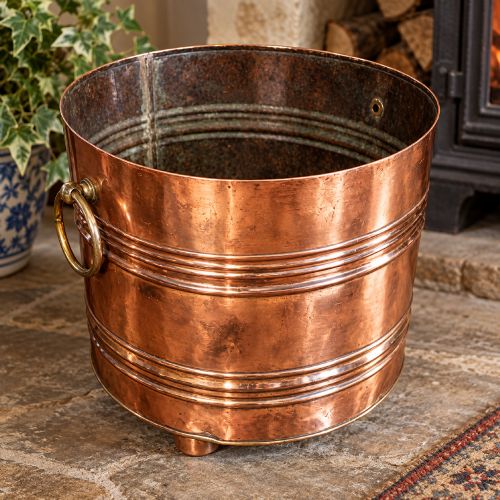
A large antique copper bin brings heavy metal utility and warmth to a fireside or garden.
Large Copper Bin
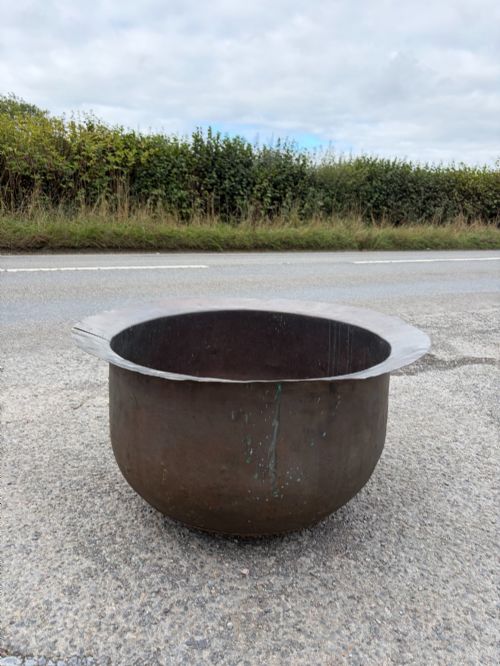
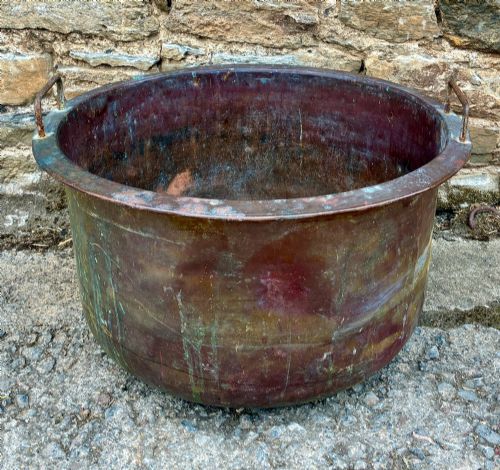
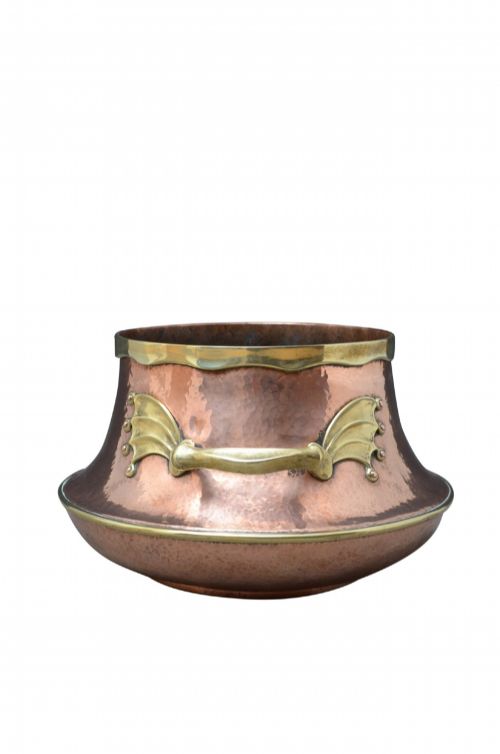
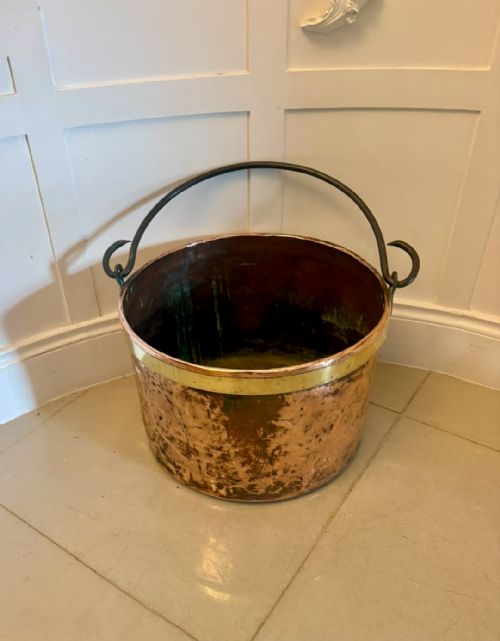
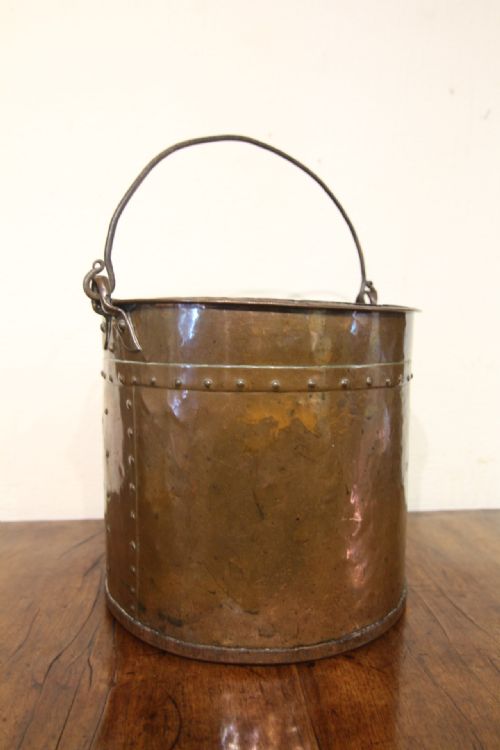
A large antique copper bin is a substantial metal vessel originally forged for utilitarian domestic or agricultural tasks such as boiling, washing, or holding fuel. Today, these pieces appear in various forms including log bins, coal buckets, planters, jardinières, and cauldrons from the Georgian, Victorian, and early twentieth-century periods.
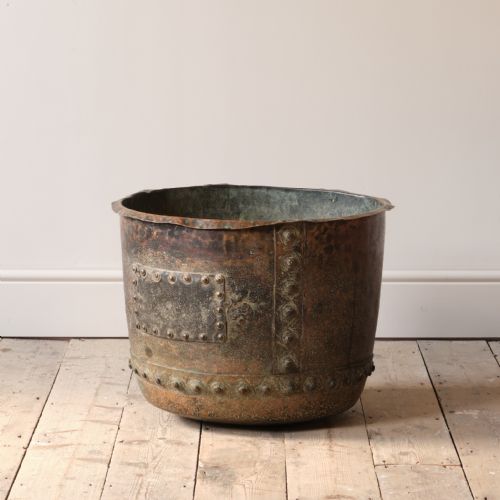
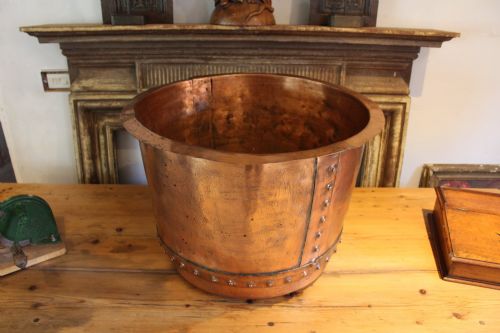
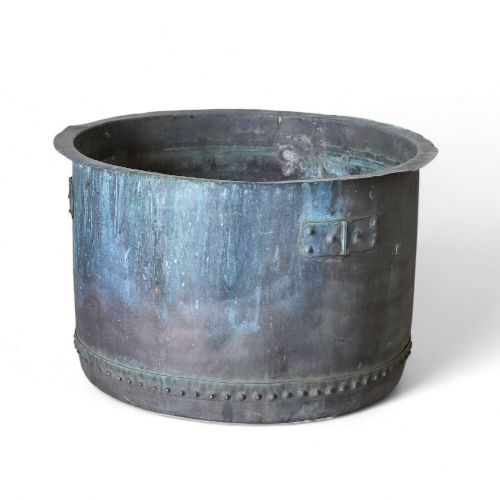
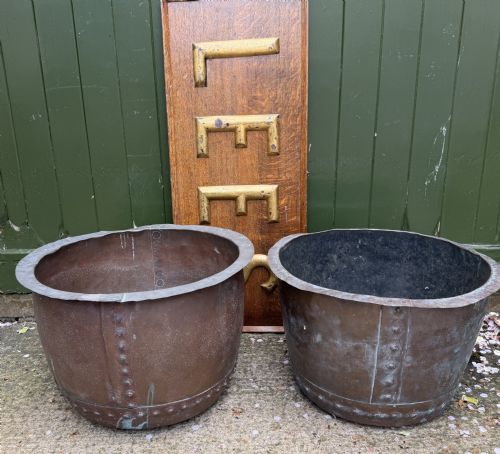
The version most commonly met on this page is the nineteenth-century log bin or garden planter, often shaped with riveted seams and paired with brass or wrought iron handles. These containers bridge the gap between heavy industrial utility and decorative country house or rustic farmhouse interiors.
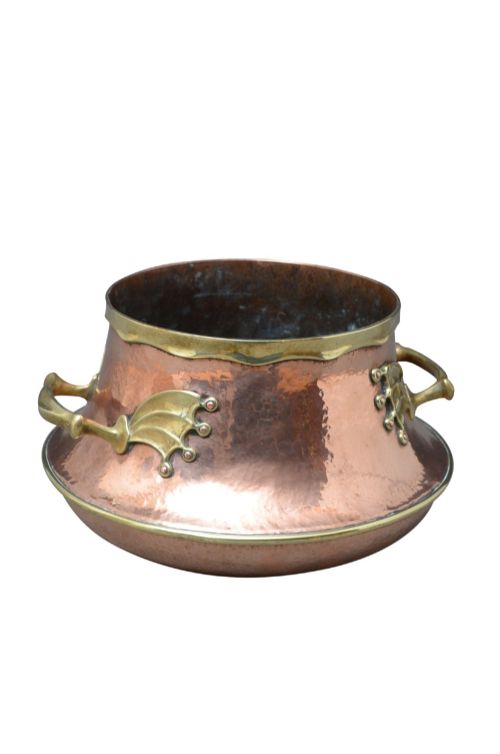
Origins stretch across English workshops as well as continental European examples, spanning styles from Victorian utilitarian to Arts and Crafts. Buyers select them for their generous proportions and capacity to hold logs, coal, or large houseplants.
Construction and materials
Makers formed these vessels primarily from heavy gauge copper sheets, shaped by hand or mechanically before joining the edges. Rivets made of copper or iron secure the overlapping seams, providing structural strength to hold dense materials like firewood or damp soil.
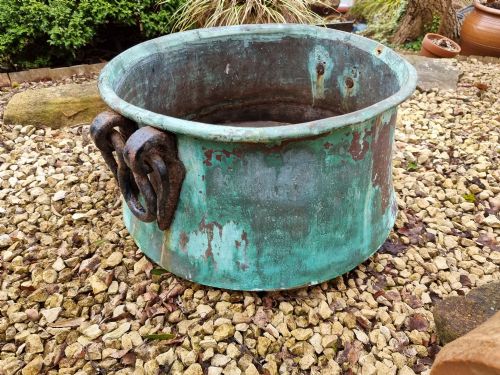
Handles and fittings introduce contrasting metals such as brass, cast iron, and wrought iron. Swing handles, drop rings, and supporting frames are fastened securely to the body to manage the considerable weight of the filled vessel.
A grain measure once used for dry harvest now holds evening firewood.
Judging quality and character
Quality rests in the thickness of the metal plate and the integrity of the construction. Heavy gauge copper resists denting and retains its structural rigidity under the weight of logs or wet compost better than thin sheet metal.
Surface character distinguishes standard vessels from superior examples. Natural patination, hand-hammered texturing, and authentic verdigris finishes contribute to the visual depth of the metal over time.
The Large Copper Bin Glossary
- Verdigris
- A green patina formed naturally on copper surfaces through atmospheric oxidation. This surface layer indicates age and exposure to the elements.
- Cauldron
- A large round pot or kettle, typically with a swing handle, used historically for heating liquids. In modern settings, these deep vessels serve as substantial planters or log holders.
- Jardiniere
- An ornamental pot or stand for holding plants or flowers. These vessels often feature decorative brass mounts or hammered detailing.
- Dinanderie
- Objects made of brass, copper, or bronze, named after the Belgian town of Dinant. The technique encompasses beaten and worked decorative metalware.
- Grain Measure
- A standardised cylindrical container used for dry agricultural goods. These heavy metal measures translate well into deep utilitarian log holders.
Large Copper Bin: Frequently Asked Questions
What were large antique copper bins used for?
These vessels originally served heavy domestic and agricultural purposes such as boiling wash, heating water, carrying coal, or measuring grain. Households relied on their durability for daily fireside and utility room tasks.
Over time, many of these utilitarian containers transitioned into decorative roles as log holders beside the hearth or as large planters in gardens and conservatories.
How do I care for antique copper?
Maintenance depends entirely on the finish you prefer to keep on the metal. Gentle dusting and occasional wiping with a soft, dry cloth preserve the natural aged patina and verdigris.
Avoid harsh chemical metal polishes if you value the dark, historic surface character. If using the bin as a planter, place a plastic liner inside to protect the metal from prolonged moisture exposure.
How can I tell the period of a copper bin?
Dating relies on examining the construction methods, tool marks, and hardware attached to the vessel. Hand-hammered bodies and heavy wrought iron handles generally point towards earlier Georgian and nineteenth-century origins.
Machine rolling, standardised rivets, and styles leaning toward Arts and Crafts or Art Deco suggest later Victorian and twentieth-century production.
Can I use these bins outdoors?
Many of these vessels function well outdoors as garden planters or patio log storage. Copper withstands weathering successfully, developing a stable verdigris surface when exposed to rain and air.
Ensure that the container has adequate drainage if planting directly, though placing a potted plant inside prevents standing water from stressing the historic seams.