
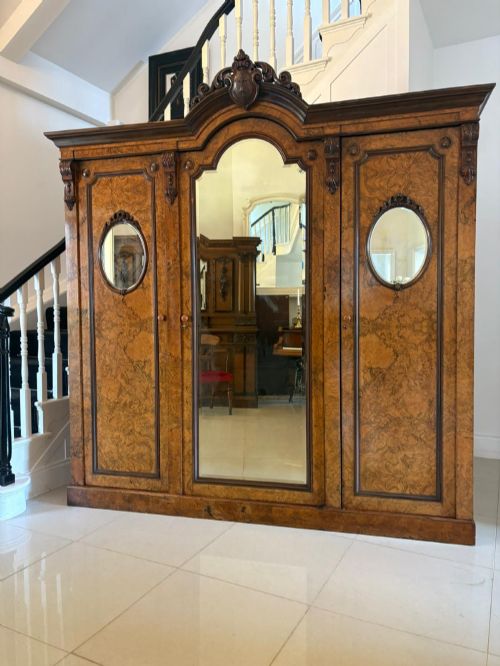
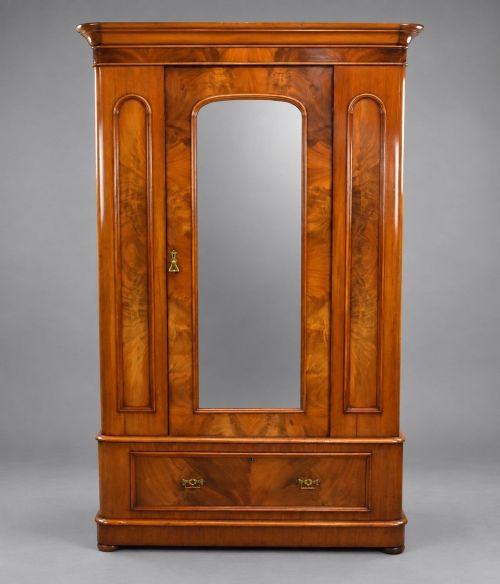
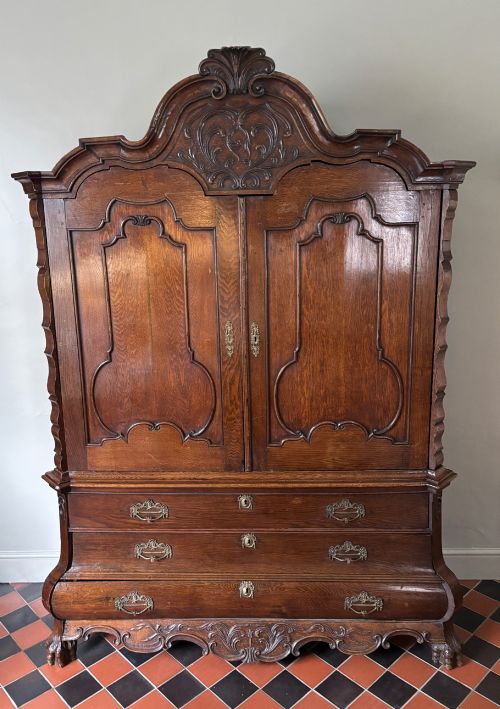
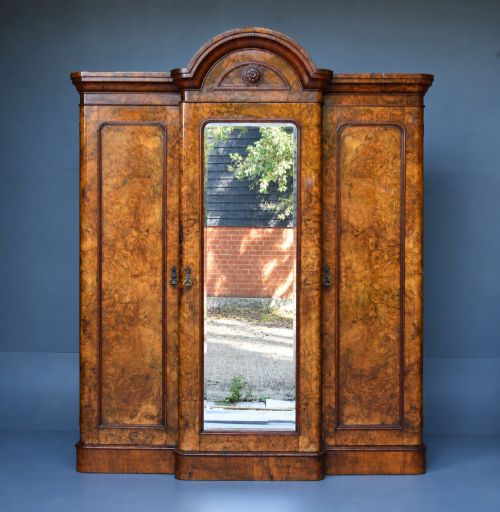
Large Clothes Armoire
A large antique clothes armoire provides substantial hanging and folding space while anchoring a room with period presence and timber character.
Large Clothes Armoire
When you search for a large antique clothes armoire, you encounter substantial freestanding storage furniture designed to hold garments and household linens. The pieces seen here span Victorian, Edwardian, Georgian, and later periods, capturing centuries of domestic storage evolution.
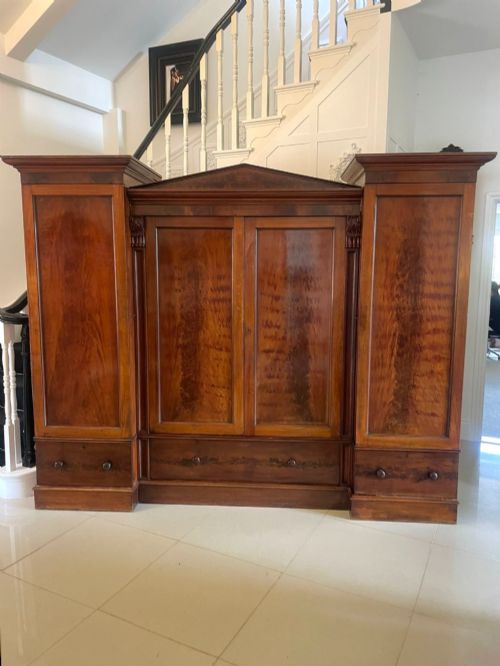
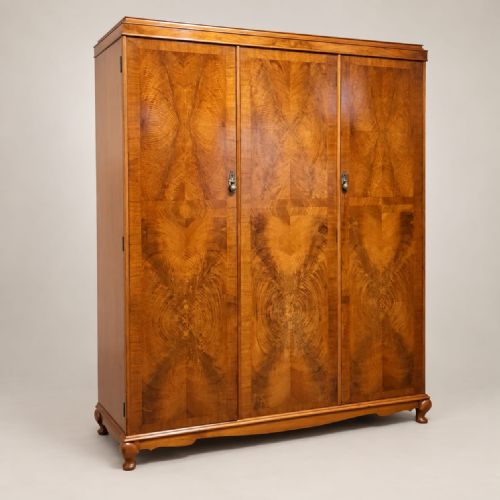
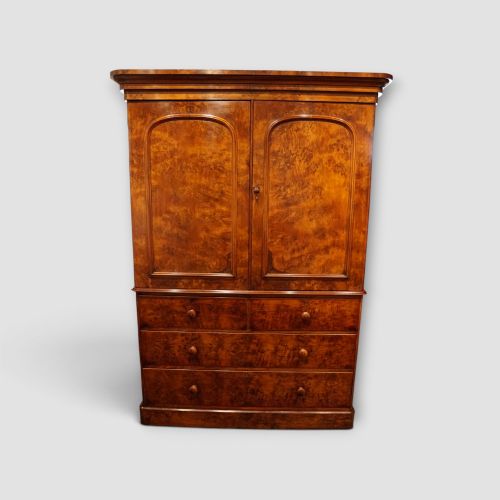
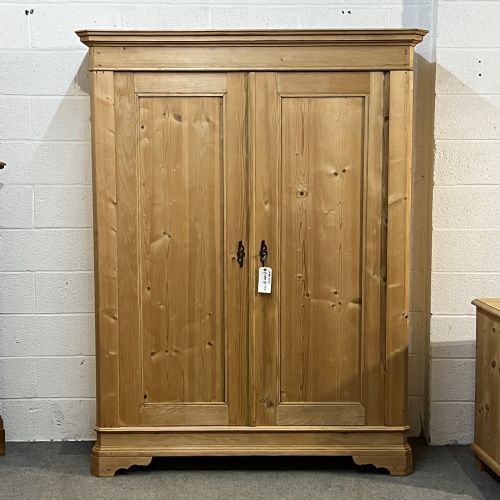
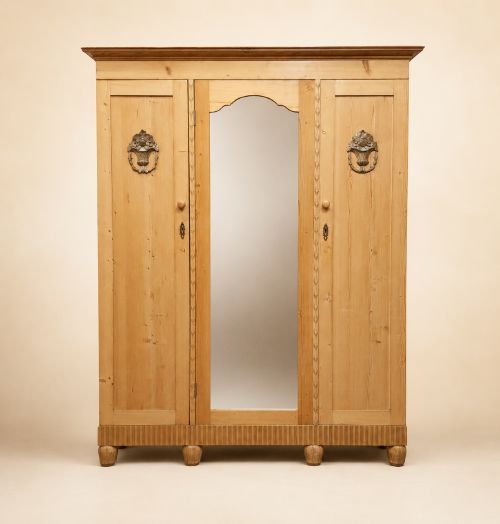
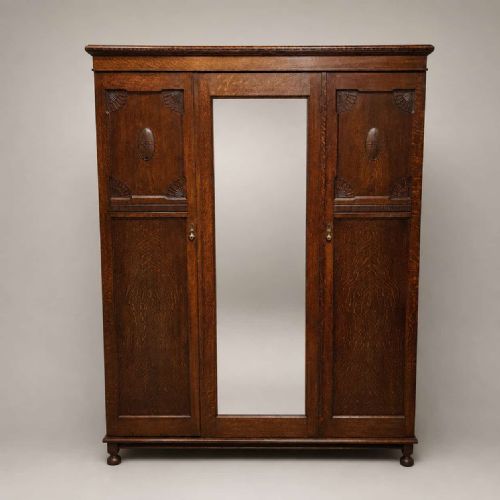
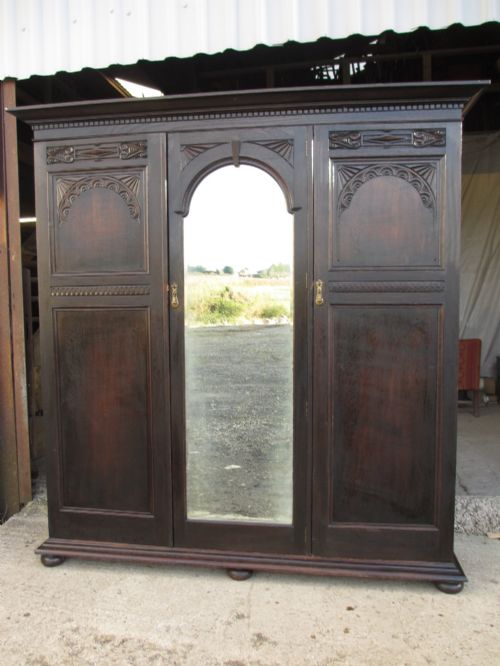
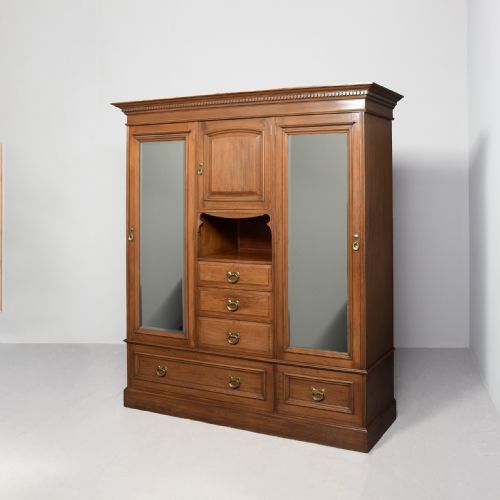
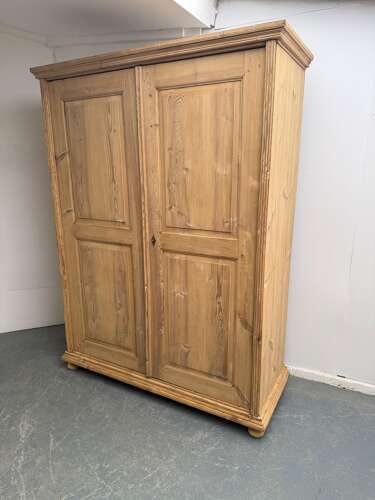
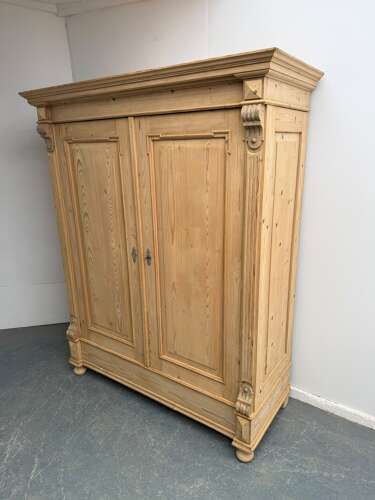
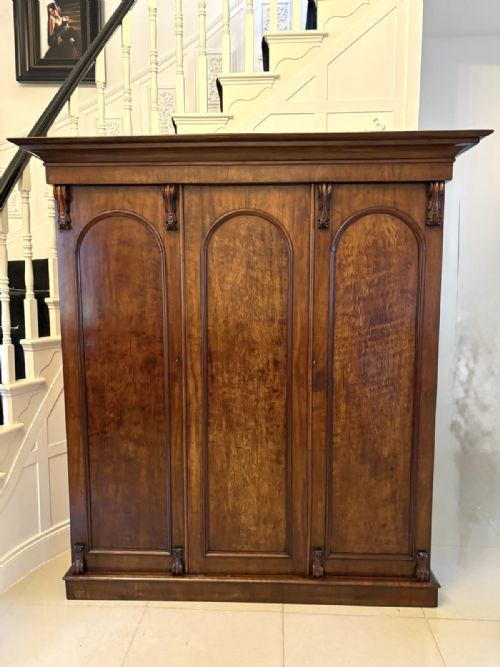
You are most likely to meet massive multi-door configurations, triple wardrobes, and knockdown pine cupboards built to dismantle for transport. These forms include specialised compactums, linen presses, and French armoires fitted with mirrors and brass mounts.
The selection ranges from figured mahogany and burr walnut masterworks to robust pine and oak utility pieces. Each iteration reflects the scale and storage requirements of the eras that produced them, from eighteenth-century country houses to twentieth-century town residences.
Materials and construction methods
Cabinet makers utilised dense hardwoods like mahogany, walnut, and oak alongside resilient softwoods such as pine. Timber selection dictated whether a piece received a clear polish to display natural grain figures or remained plain for subsequent painting and waxing.
Construction techniques prioritized strength and practicality, employing panelled doors, dovetailed drawers, and architectural cornices. Many large wardrobes and armoires incorporated knockdown frames with peg or bolt fastenings to allow movement through domestic doorways.
Several massive pine wardrobes survive with explicit notes inviting buyers to either wax or paint them according to domestic whim.
What separates the grades
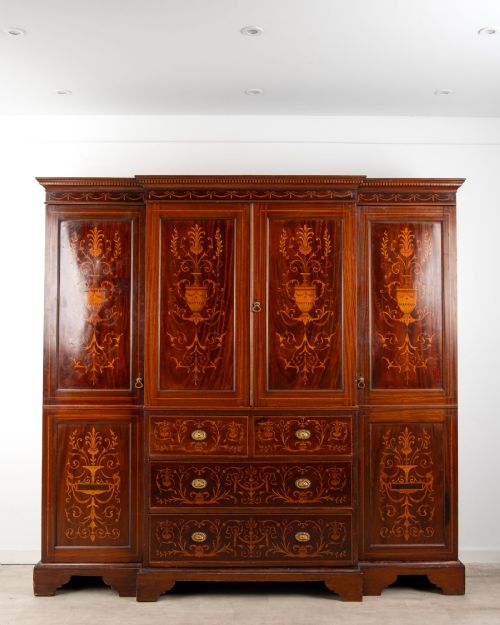
Quality rests in the architectural ambition of the design and the select nature of the timber veneers. Pieces featuring figured mahogany, burr walnut, or detailed boxwood stringing and marquetry inlay sit firmly above utilitarian utility cupboards.
Execution of internal fittings and structural joinery defines the higher tier. Well-executed compactums integrate sliding trays, drawers, and hanging spaces seamlessly behind panelled or mirrored doors, maintaining stability despite massive proportions.
Gillows
The Large Clothes Armoire Glossary
- Armoire
- A tall cupboard or wardrobe used originally for storing arms and later for clothes. These pieces often feature double doors and generous internal depths.
- Compactum
- A fitted wardrobe combining hanging space, drawers, and sliding shelves in one unit. This multi-purpose storage configuration originated in the nineteenth century.
- Linen Press
- A piece of furniture featuring enclosed shelving in the upper section and drawers below. They were traditionally used to store folded household linens.
- Breakfront
- A piece of furniture with a central section that projects forward from the flanking wings. This architectural device adds visual depth to large wardrobes.
- Knockdown
- Furniture designed to be disassembled into manageable parts for transport and reassembly on site. This method was essential for moving large bedroom cabinets.
Large Clothes Armoire: Frequently Asked Questions
How do I dismantle a knockdown wardrobe?
Many large pine and hardwood wardrobes were built to come apart into a cornice, base, sides, and doors. The panels typically lock together using internal wooden pegs, bolts, or tongue-and-groove joints.
Mark each component during disassembly to ensure the frame squares up correctly when you reassemble the piece in its new room.
What is the difference between a wardrobe and an armoire?
The terms are often used interchangeably today, but an armoire traditionally refers to a Continental European tall cupboard with deep proportions. Wardrobes more specifically developed in Britain to accommodate longer hanging garments on hooks or rails.
Both categories fulfill the same primary function of freestanding bedroom clothes storage while displaying distinct regional design traits.
How do I date a large antique wardrobe?
Dating relies on observing the prevailing style, timber choices, and construction hallmarks of the piece. Georgian examples often show architectural cornices and bracket feet, while Victorian and Edwardian iterations favour figured veneers, carved details, and mirrored doors.
Looking at secondary timbers inside drawers and the type of fixings used will help narrow down the period of manufacture.
Will a triple wardrobe fit in a modern bedroom?
Triple wardrobes and breakfront armoires possess considerable width and height, requiring careful measurement of ceiling clearance and wall space. You must also check staircase and doorway dimensions if the property has restricted access.
Knockdown versions offer greater flexibility because they can be carried upstairs in separate sections before final assembly.