
Large Canvas
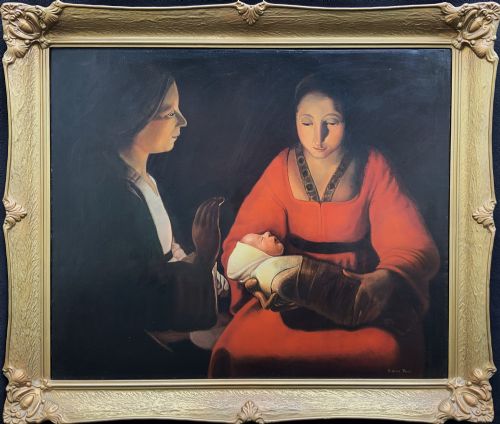
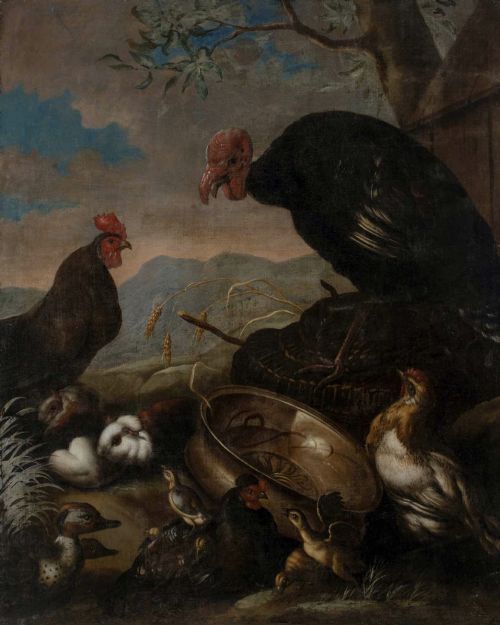
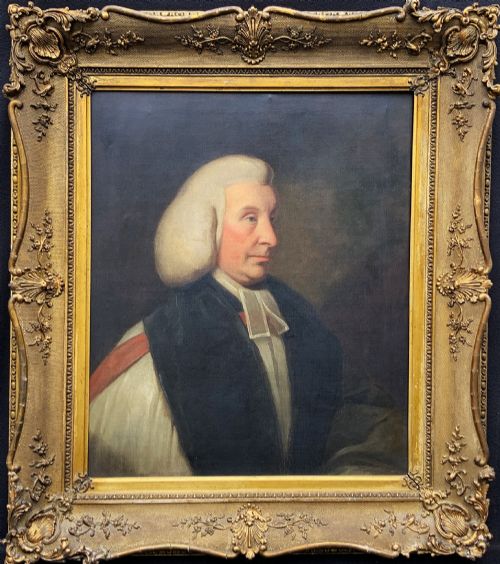
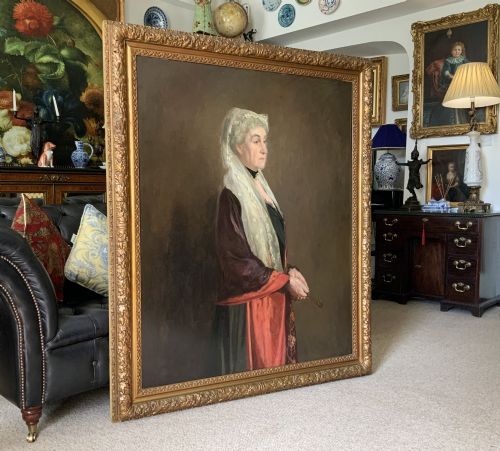
Large antique canvas works dominate wall space with centuries of pigment, oil and woven flax.
Large Canvas
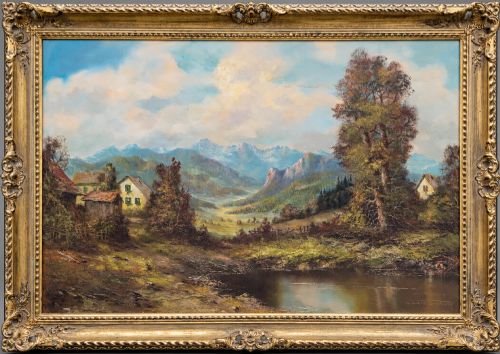
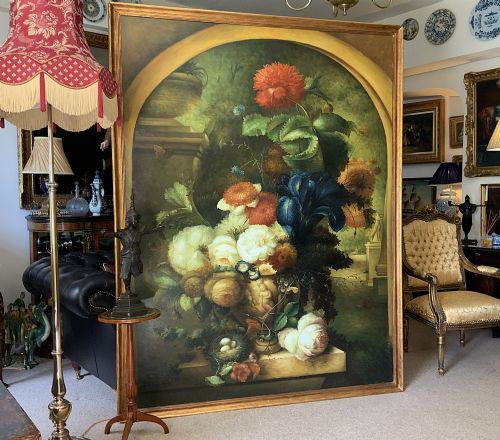
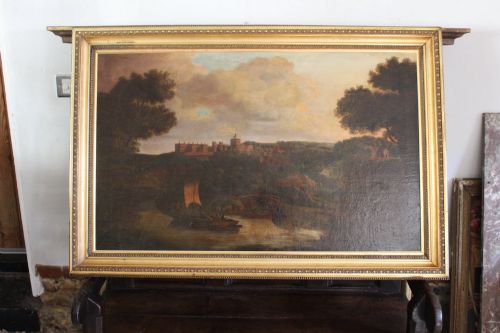
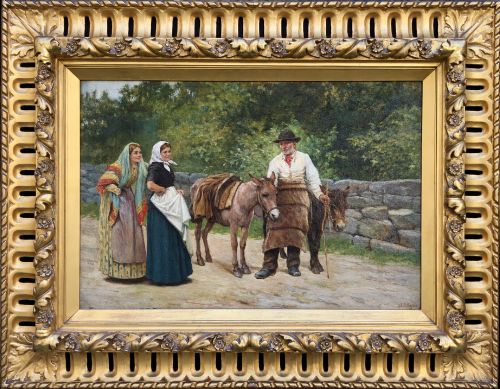
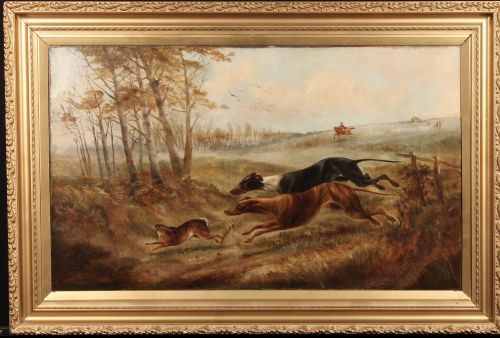
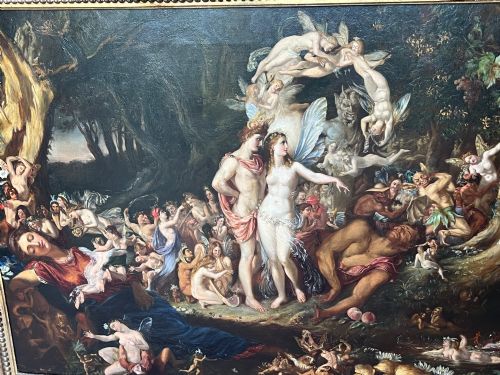
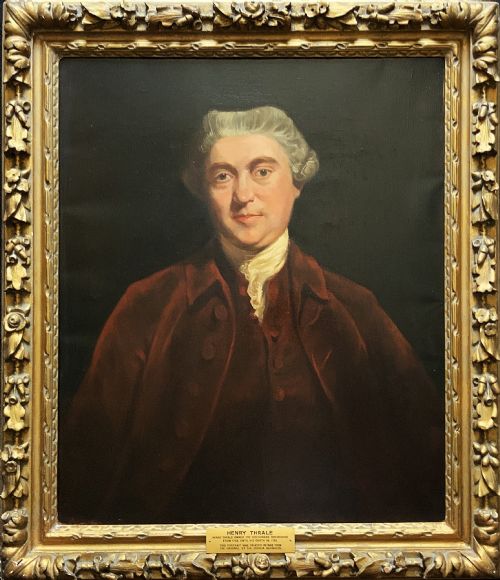
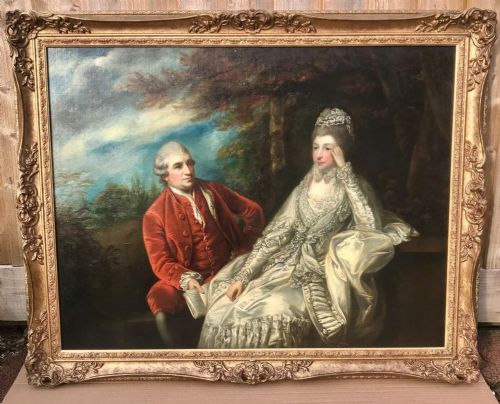
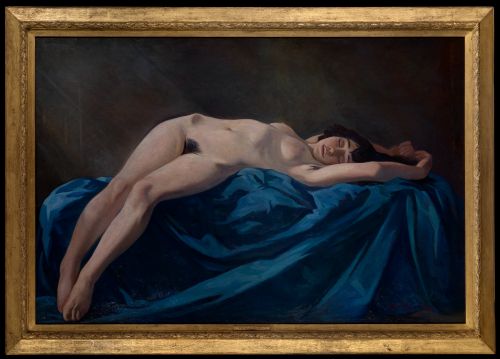
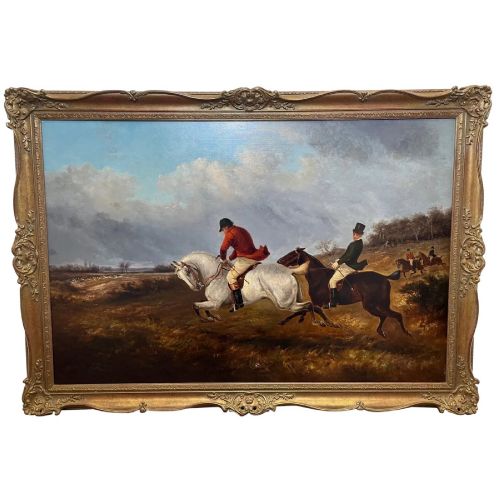
When browsing for a large antique canvas, buyers encounter expansive framed oil paintings spanning the eighteenth, nineteenth and early twentieth centuries alongside occasional folding room dividers and steamer trunks. Portraiture, landscape, floral still life and historical genre scenes appear with the highest frequency across British, continental and regional European schools.
The surviving works range from monumental British portraits and pastoral Highland scenes to Dutch-style floral arrangements and decorative painted screens. Buyers frequently select these substantial formats to anchor high-ceilinged rooms or period interiors with original historic artwork.
How They Were Made
Makers built these pieces upon woven flax supports stretched across rigid timber frames, applying layers of oil paint mixed with natural pigments. Many historic works incorporate gesso grounds beneath the paint layer to seal the textile before brushwork begins.
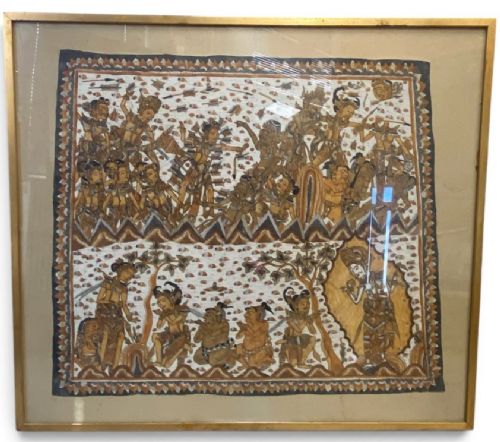
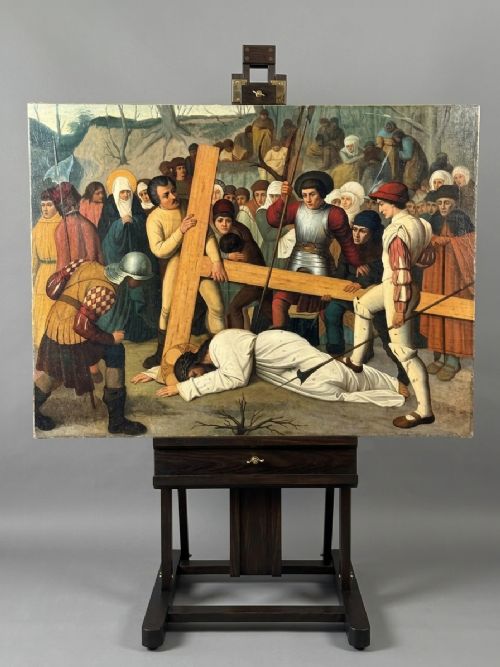
Listings feature oil paintings, folding canvas screens, and wooden easels spanning the eighteenth, nineteenth, and twentieth centuries.
What Varies in Quality
The strength of the composition and the confidence of the brushwork separate masterworks from standard studio output. Skilled handling of light, anatomical precision and atmospheric depth distinguish superior historic paintings from decorative workshop copies.
The integrity of the original canvas support, the subtlety of the pigment layering and the preservation of the matching period frame heavily influence the standing of an individual piece.
Richard Sebastian Bond·Felix Stone Moscheles·Georges de La Tour·Angelo Maria Crivelli·Sir Joshua Reynolds·Thomas Smythe·John Opie·Harold Knight·Robert Cleminson·Konstantin Stoitzner
The Large Canvas Glossary
- Canvas
- A heavy woven fabric, typically of flax or hemp, used as a support surface for oil paintings. Painters stretch this textile tightly across a wooden stretcher frame before applying size and ground layers.
- Gesso
- A traditional paint mixture consisting of a binder mixed with chalk, gypsum, or pigment used to prepare wood or canvas surfaces. This preparation creates a smooth, absorbent base for oil painting.
- Giltwood
- Wood that has been decorated with thin sheets of beaten gold leaf applied over a prepared surface. This ornate finish frequently appears on nineteenth-century picture frames.
- Stretcher
- An expandable wooden frame used to keep a painting canvas taut. Corner keys allow the owner to adjust the tension of the woven textile over time.
- Impasto
- Paint applied in thick layers that stand out visibly from the canvas surface. This technique preserves the physical gesture of the artist's brush.
Large Canvas: Frequently Asked Questions
How do I hang a large antique canvas?
Substantial historic paintings require robust wall fixings anchored directly into masonry studs rather than standard plasterboard. Professional mirror and picture hanging contractors utilise heavy-duty steel wire and dual wall brackets to distribute the weight evenly.
Position the centre of the artwork at eye level, ensuring the surrounding wall space allows the expansive composition room to breathe without crowding adjacent furniture.
What lighting suits a large oil painting?
Display historic canvases away from direct, harsh sunlight to prevent the fading of natural oil pigments and the degradation of the textile support. Low-heat LED picture lights mounted above the frame provide even illumination without generating damaging thermal currents.
Adjustable warm-spectrum bulbs help render the subtle tonal variations and deep shadows intended by the original artist.
How do I identify the age of a canvas?
Examine the reverse of the stretcher frame and the woven textile for handmade timber joints, rusted iron nails and period framer stamps or handwritten inscriptions. Older flax supports often exhibit characteristic darkening and irregular weave patterns compared to machine-milled modern fabric.
Style, costume depicted, and framing construction methods offer further clues for narrowing down the decade of creation.