

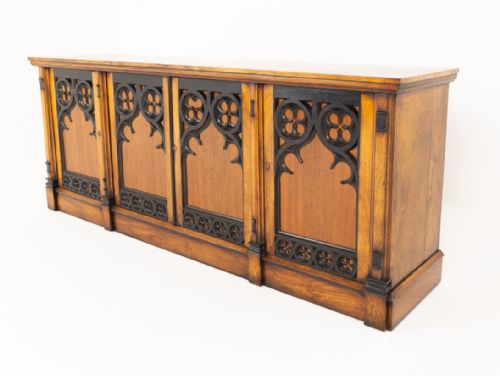
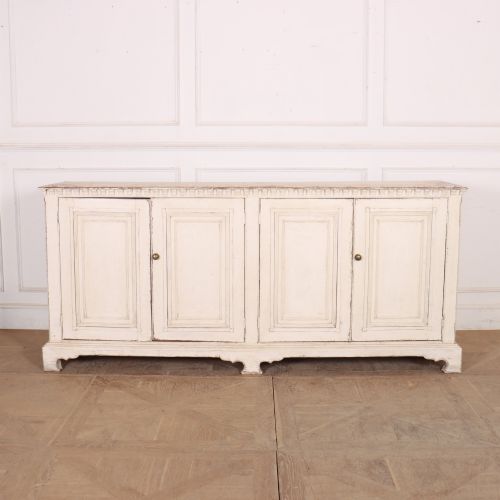
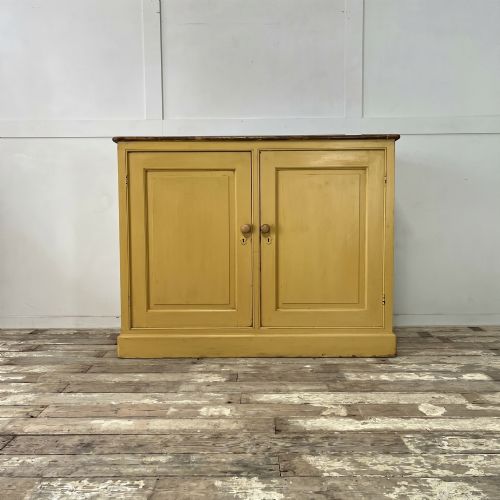
Large Buffet Cabinet
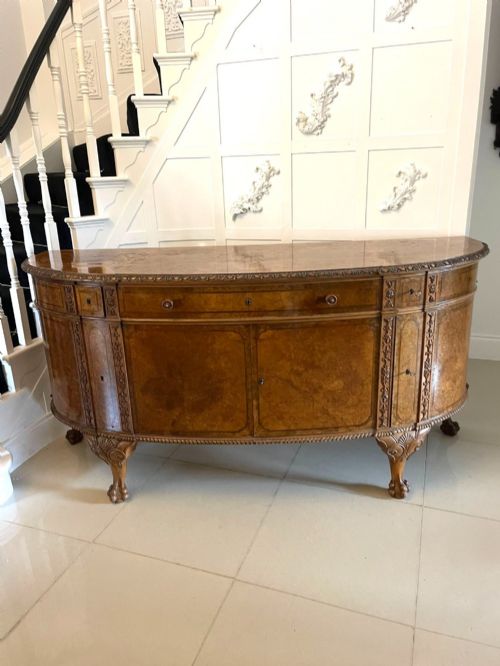
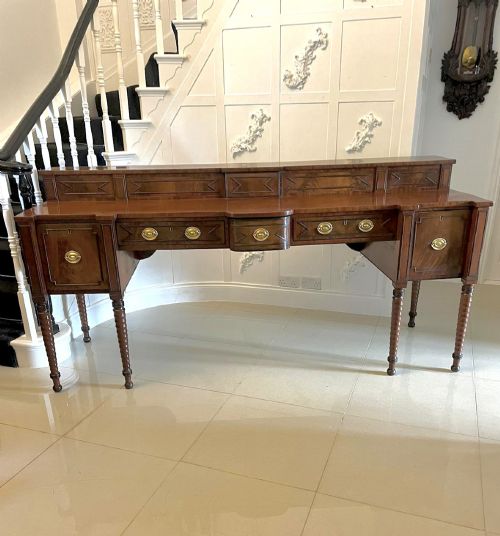
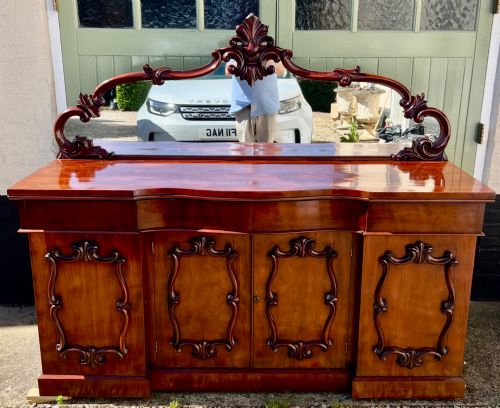
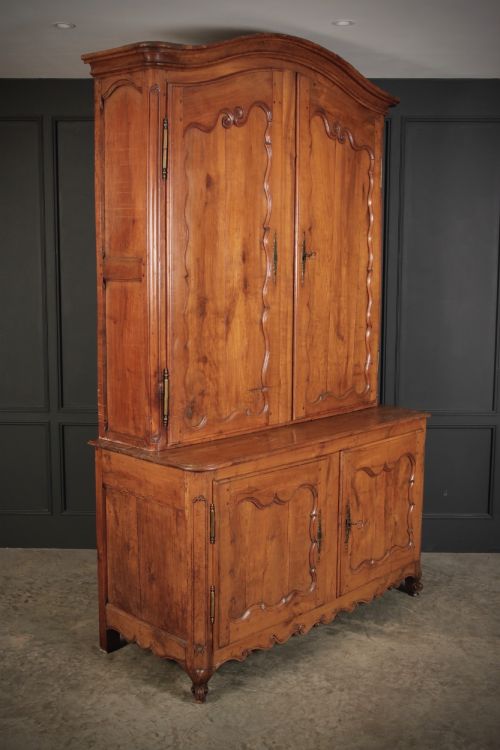
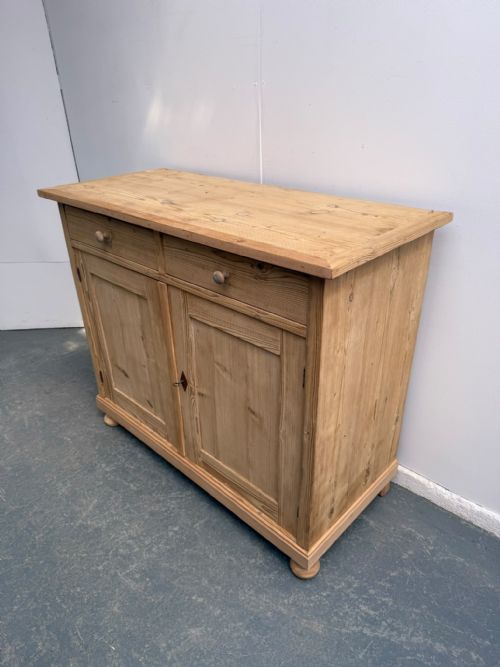
A large antique buffet cabinet anchors a dining room with substantial storage and timber presence, offering serious period character for the home.
Large Buffet Cabinet
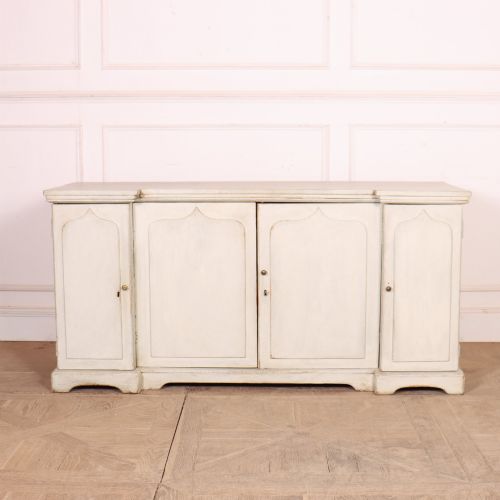
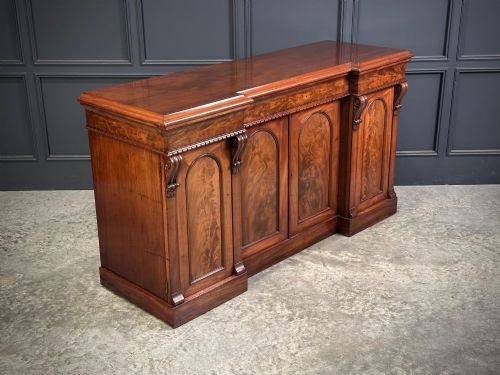
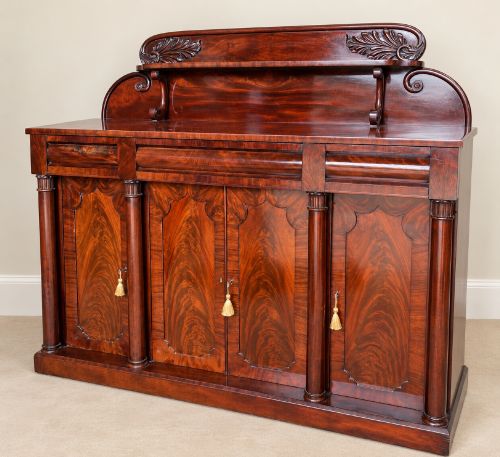
A large antique buffet cabinet encompasses heavy sideboard forms, breakfront servers, dresser bases, and monumental cupboards from the eighteenth, nineteenth, and early twentieth centuries.
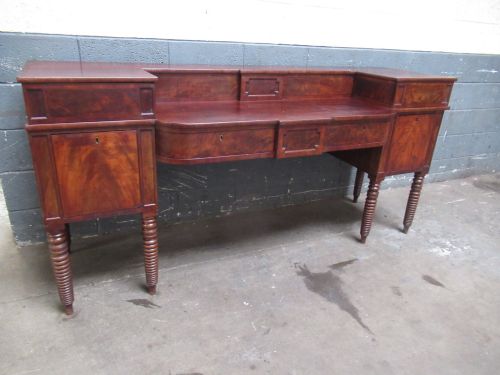
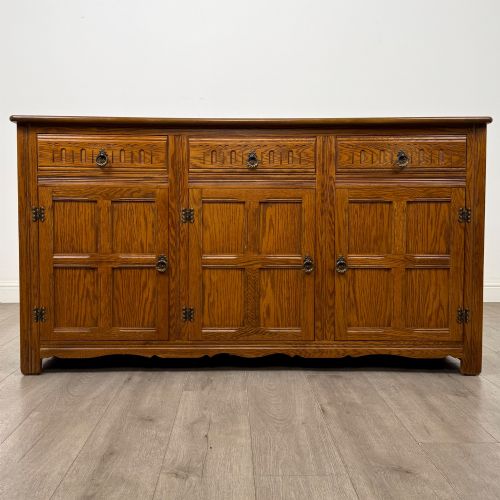
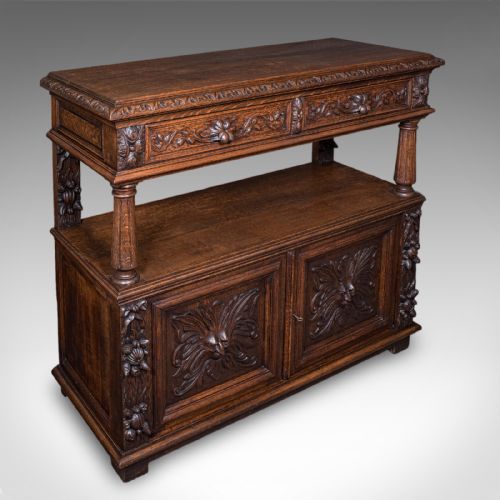
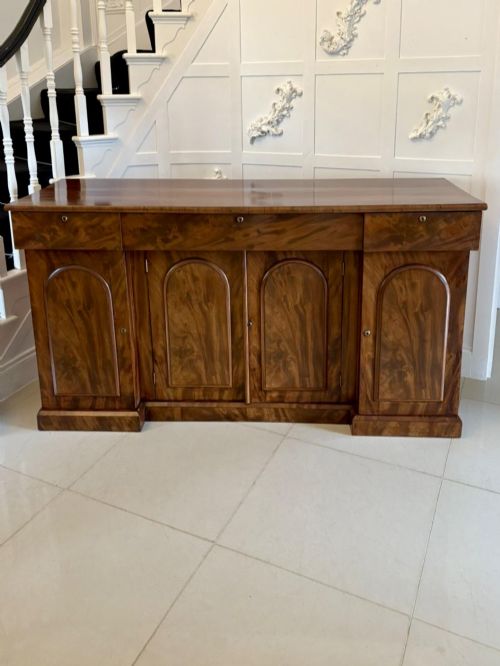
The pieces seen here span Victorian, Edwardian, and George III periods, originating from English, Scottish, French, Italian, and Hungarian workshops.
Victorian and nineteenth-century mahogany or oak sideboards dominate the selection, frequently featuring extensive carved ornamentation, multiple doors, and deep drawers.
Materials and Construction
Cabinetmakers utilised robust structural timbers including oak, mahogany, walnut, and pine, often finished with flame mahogany or burr walnut veneers to create striking grain patterns.
Decorative elements relied on hand-carved details, brass hardware, mother-of-pearl inlay, and painted surfaces depending on the regional style.
Joinery techniques combined solid timber framing with dovetailed drawer construction to support the considerable weight of these large server units.
Listings feature timbers such as oak, mahogany, walnut, pine, chestnut, and rosewood across Victorian, Edwardian, and eighteenth-century periods.
Distinction in Quality
The refinement of the timber selection separates standard items from exceptional ones, with highly figured mahogany, burr walnut, and matched veneers commanding attention.
Depth and crispness in hand carving dictate the artistic merit of pieces displaying Gothic, Renaissance, or Jacobean Revival elements.
Structural integrity, original hardware, and balanced proportions across breakfront or pedestal formats determine the overall standing of an individual sideboard.
The Large Buffet Cabinet Glossary
- Breakfront
- A cabinet design where the central section projects forward from the flanking outer sections. This configuration creates visual depth and architectural presence.
- Dresser Base
- A low freestanding storage unit fitted with drawers and cupboards beneath a solid top surface. These utilitarian pieces originate primarily from country kitchens and dining spaces.
- Credenza
- A sideboard or buffet cabinet typically standing low to the ground with enclosed cupboards. Originating in Italy, the form evolved into a grand Victorian display piece.
- Enfilade
- A suite of rooms or a long cabinet front aligned in an unbroken sequence. This formal European arrangement provides continuous surface and storage capacity.
- Chiffonier
- A compact sideboard or tall cabinet equipped with shelves and enclosed storage below. Victorian examples frequently incorporate mirror backs for interior reflection.
Large Buffet Cabinet: Frequently Asked Questions
How do I style a large buffet cabinet?
Position the cabinet against a principal dining room wall to anchor the space. Balance the heavy timber presence with large mirrors, ceramic vessels, or table lamps placed on the top surface.
Maximise the internal storage for dining linens, tableware, and silver. Keep the surrounding floor clear to let the monumental proportions of the piece register fully.
What is the difference between a sideboard and a buffet?
Sideboards traditionally served dining rooms for holding food and storing serving dishes during formal meals. Buffets often emphasise enclosed cupboard space and sometimes incorporate upper shelved sections or chiffonier tiers.
Both terms describe substantial case furniture designed for domestic entertaining and storage. The distinction depends largely on regional terminology and the specific era of manufacture.
How do I date a nineteenth-century sideboard?
Examine the secondary timbers used inside drawers and back panels, noting transitions from hand-sawn pine to machine-cut boards. Secondary clues include the style of brass handles, dovetail tightness, and surface finish.
Cross-reference stylistic motifs like Gothic Revival tracery or Edwardian inlay against established period timelines. Cabinetmakers often integrated prevailing architectural tastes into their functional furniture designs.
Can these cabinets fit in modern homes?
Measure doorways, ceiling heights, and floor space carefully before acquisition, as these units were built for spacious period rooms. Many pieces divide into modular sections or heavy top and base components to ease transport.
Their robust storage capacity makes them practical for contemporary living areas, hallways, and open-plan kitchens. Finished backs and sides allow certain items to function as freestanding room dividers.