

Large Bed
A large antique bed brings weight and character to a room, offering substantial proportions and period craftsmanship.
Large Bed
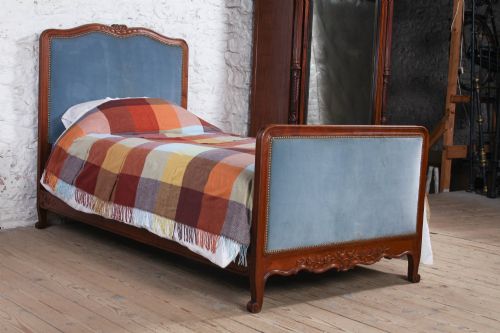
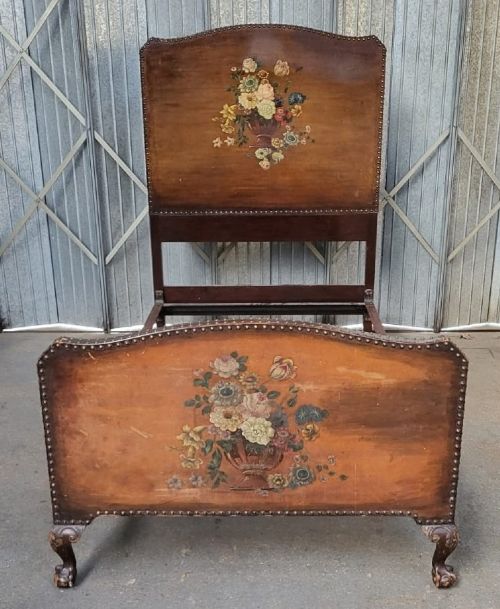
A large antique bed encompasses substantial sleeping furniture and related framework from the nineteenth century into the early twentieth century. These pieces span multiple styles, including Victorian, Edwardian, and various continental influences such as French Provincial and French Chateau.
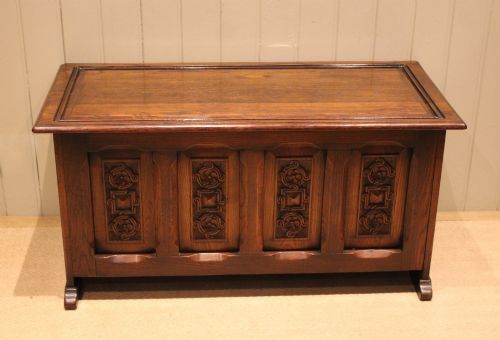
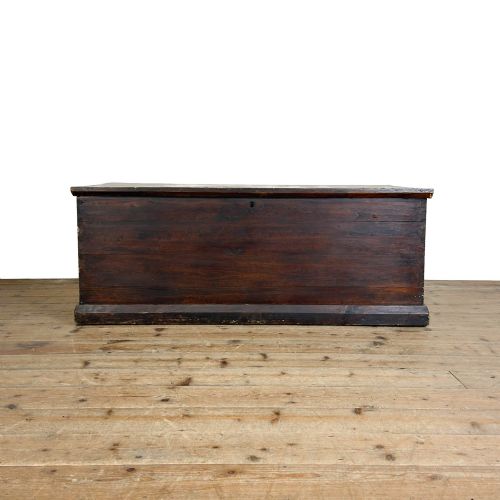
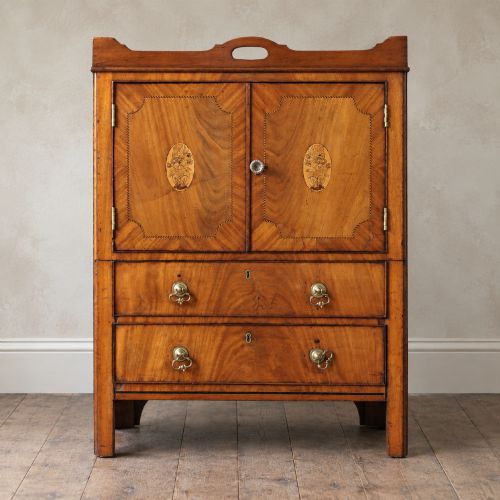
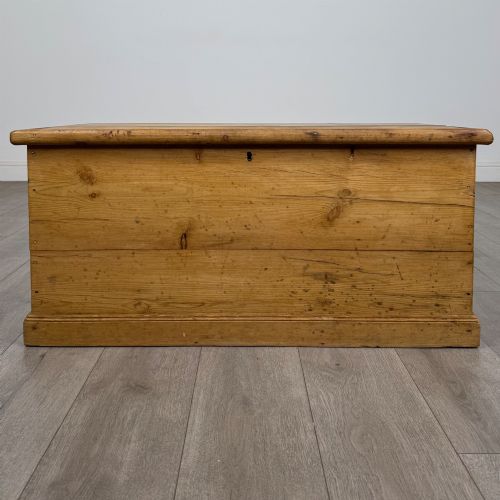
Alongside standard bedsteads, the category embraces related sleeping furniture like daybeds and four poster beds, as well as complementary bedroom pieces such as blanket boxes, coffers, and commodes.
Materials and construction methods
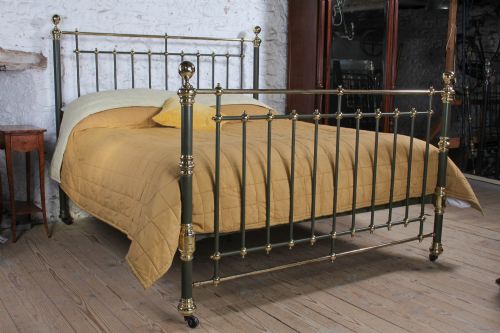
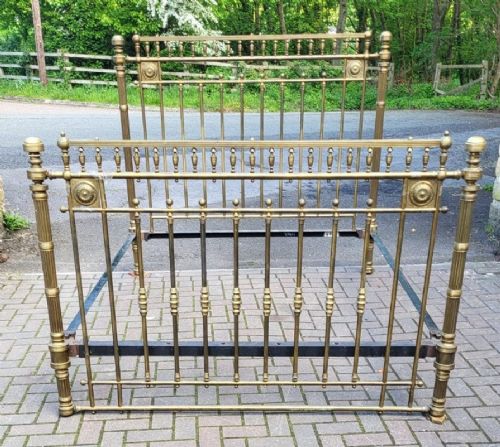
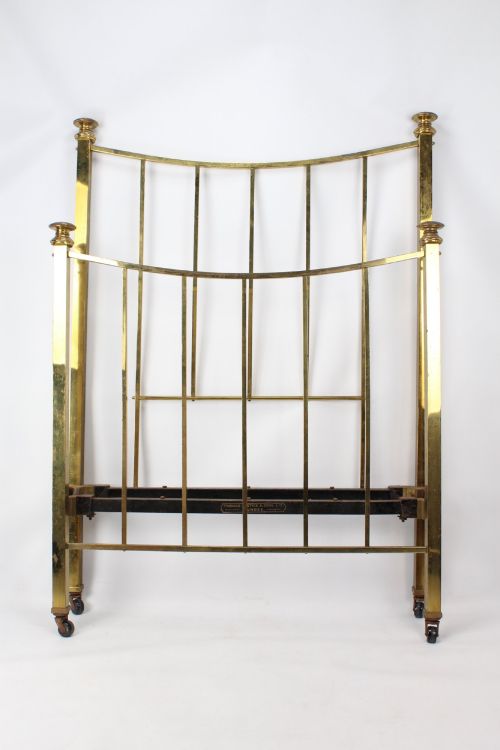
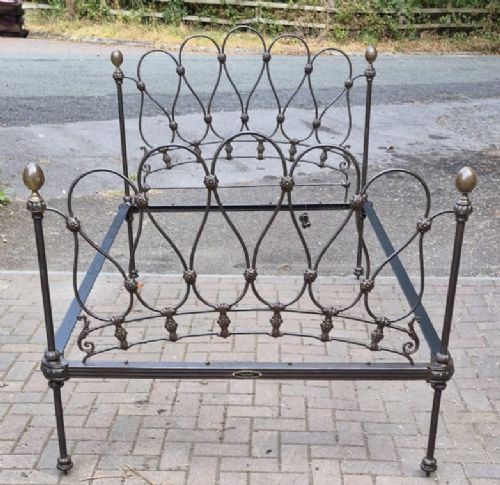
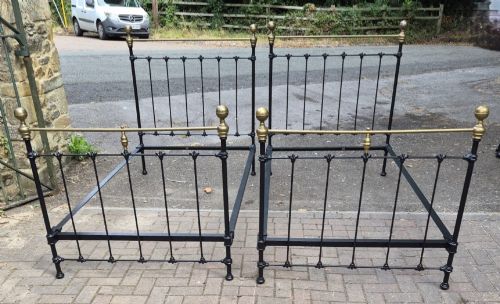
Metal bedsteads rely on cast iron, wrought iron, and brass components, often combining iron frames with decorative brass tubing, finials, and mounts. These metal elements provide structural stability while allowing for intricate ornamentation.
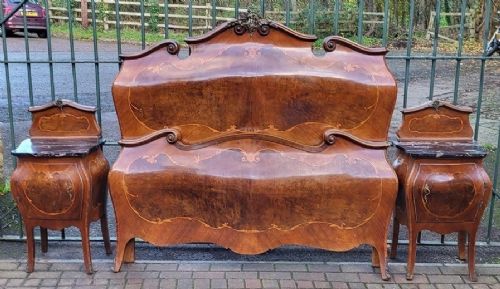
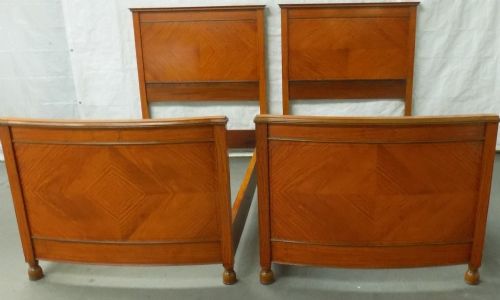
Wooden frames utilise solid timbers such as oak, mahogany, walnut, and pine, frequently enhanced with carving, marquetry, or painted finishes. Joinery methods reflect traditional cabinetmaking techniques suited to supporting considerable weight over long periods.
Large Bed Retail Price Guide 2026
Typical asking prices for large bed among the pieces listed under this phrase on Sellingantiques today, from the lower quarter to the upper quarter. They describe what is for sale here now, not the wider market.
Distinctions in quality and execution
Quality reveals itself in the integrity of the frame construction and the weight of the materials utilised. Solid timber framing and substantial cast metal components demonstrate superior durability compared to lighter, thinner alternatives.
Execution of decorative detail distinguishes standard utilitarian pieces from high-end examples. Finer items exhibit crisp carving, precise metal casting, well-fitted joinery, and distinguished maker attribution.
Hoskins & Sewell·Heals of London·R W Winfield·Maple & Co.
The Large Bed Glossary
- Bedstead
- The framework of a bed, comprising headboard, footboard, and side rails. This term specifically refers to the structural support system rather than the mattress or bedding.
- Coffer
- A heavy wooden chest with a hinged lid, traditionally utilised for storing valuables or linens. These sturdy boxes often feature carved panels and robust dovetail or mortise and tenon joints.
- Mule chest
- A storage chest fitted with one or more drawers beneath the main lifting compartment. This form bridges the traditional coffer and the modern chest of drawers.
- Pelmet
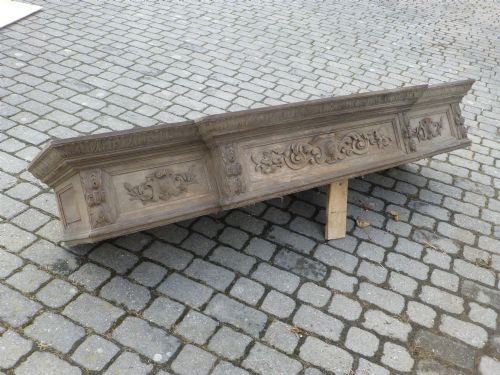
- A decorative framework placed above a window or bed canopy to conceal curtain fixtures. In antique settings, these timber or upholstered structures add architectural presence.
Large Bed: Frequently Asked Questions
How do I choose the right size?
Consider both the available floor space and the ceiling height of your bedroom before committing to a substantial frame. Larger formats like emperor or superking require considerable clearance to avoid overwhelming the room.
Measure doorways and stairwells carefully to ensure the headboard and side rails can actually enter the property. Antique dimensions often differ slightly from modern standard mattress sizes, so verify internal frame measurements beforehand.
Are antique bedsteads compatible with modern mattresses?
Many older bedsteads feature non-standard widths and lengths compared to contemporary manufacturing standards. Custom mattress fabrication is frequently necessary to achieve a proper fit within antique wooden or metal frames.
Support systems also require careful assessment, as older iron and wood rails may need supplementary slats or modern slatted bases added safely. Ensure the internal ledges can bear the weight of a contemporary mattress without straining the antique joints.
How do I care for wooden bed frames?
Maintain timber surfaces by applying appropriate natural waxes periodically to nourish the grain and prevent the wood from drying out. Avoid placing antique furniture near direct heat sources or in areas subject to extreme humidity fluctuations.
Inspect structural joints and bolt connections regularly to ensure stability. Gentle dusting with a soft, dry cloth preserves the patina without abrading delicate surface finishes.
How do I distinguish Victorian from Edwardian pieces?
Victorian pieces generally display heavier proportions, darker woods, and more exuberant or ornate ornamentation. Brass and iron combinations from this era often feature elaborate castings and bold decorative motifs.
Edwardian designs tend to favour lighter timbers, simpler lines, and restrained decorative schemes reflecting neoclassical or country revivals. Painted finishes and inlaid satinwood also become more prevalent during the Edwardian period.