

Landscape Painting Art
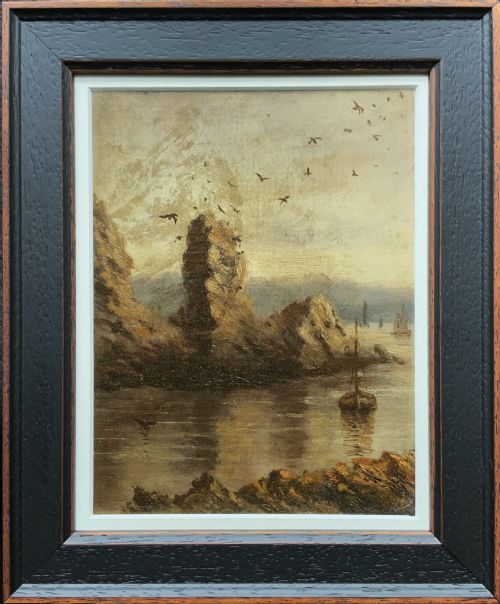
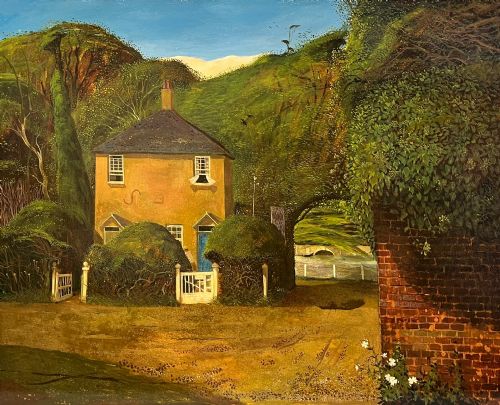
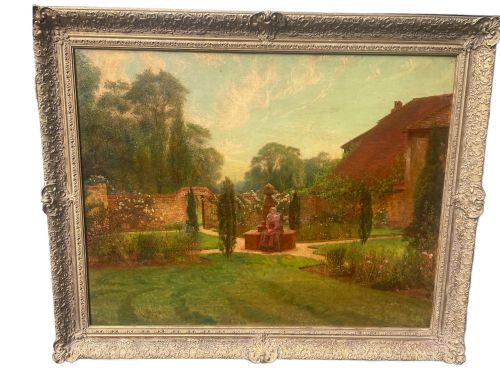
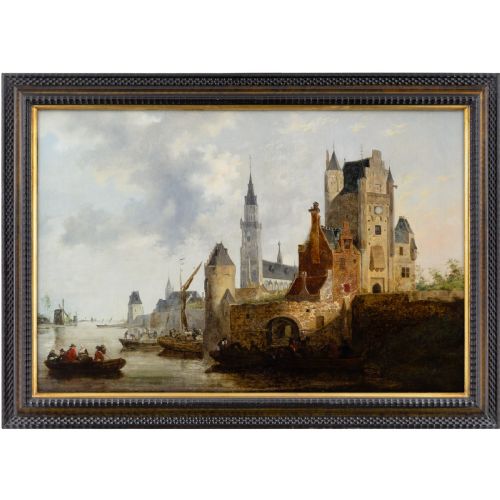
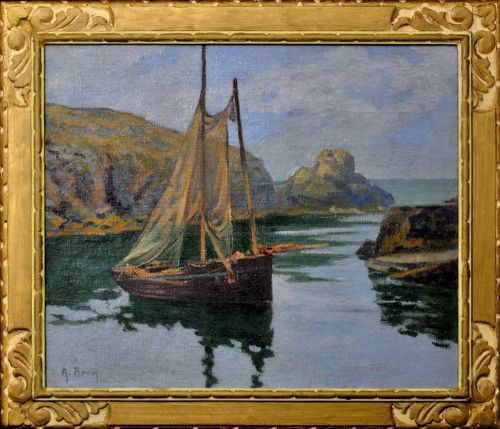
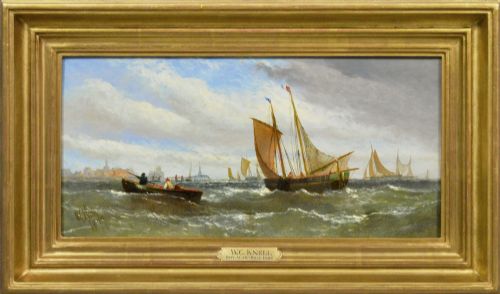
Landscape painting art captures the natural world and coastal views across centuries, offering a window into historical scenery and rural life.
Landscape Painting Art
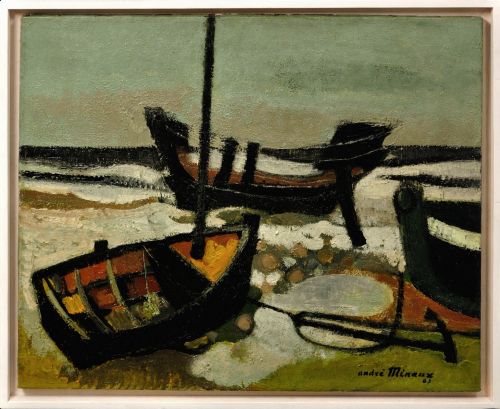
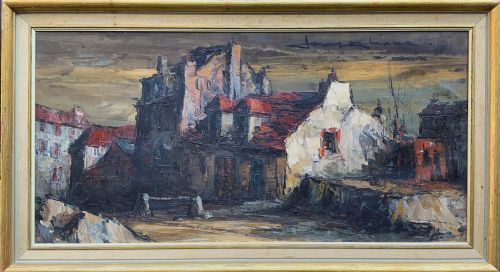
Landscape painting art encompasses depictions of natural scenery, rural vistas, coastal harbours, and urban views executed in various historical periods. These works range from expansive nineteenth-century canvases documenting Italian ports and Welsh mountains to mid-twentieth-century portrayals of Yorkshire dales and London parks.
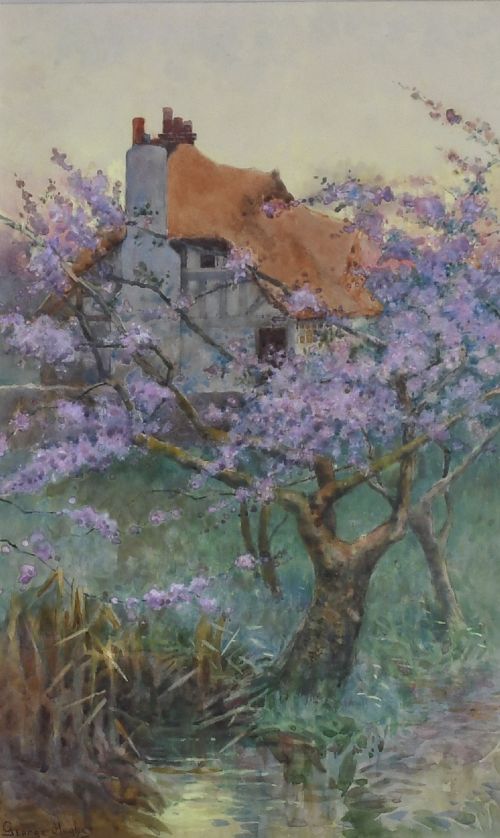
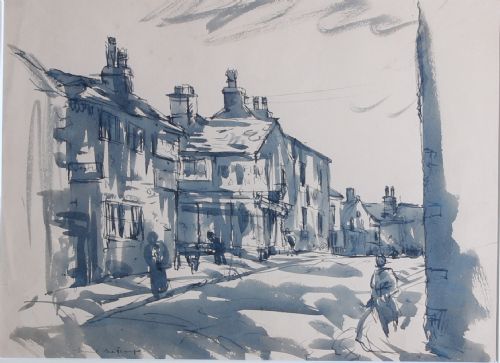
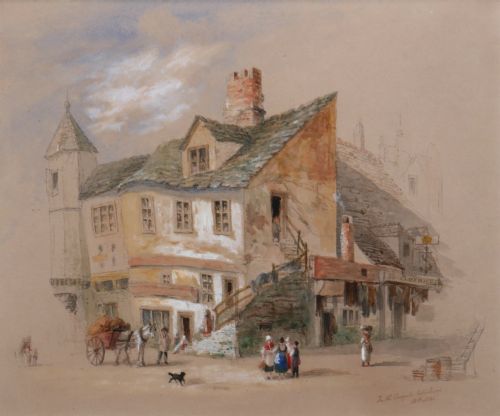
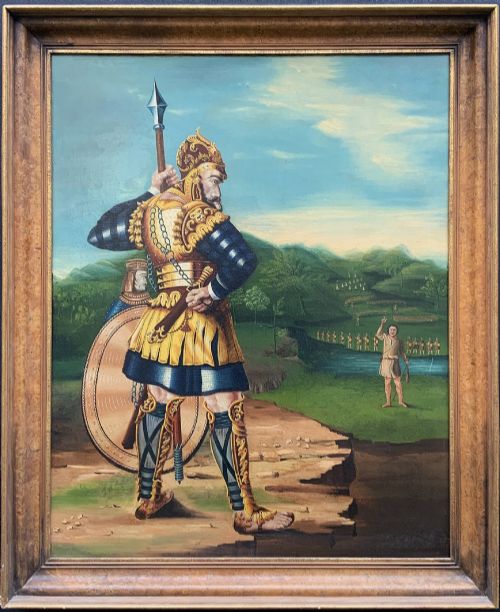
The selections available on this page lean heavily towards oil paintings on canvas or board, alongside delicate watercolours and pastels. Buyers encounter works produced across multiple decades, spanning Victorian interpretations, Edwardian watercolours, and mid-century British compositions.
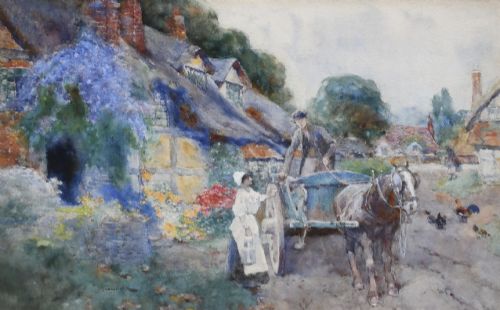
Subjects frequently incorporate pastoral elements such as haystacks, timber yards, and farmyard scenes alongside specific geographical locations from Capri to the Regent's Canal. This variety allows collectors to select pieces reflecting either broad stylistic movements or specific regional topographies.
Materials and construction
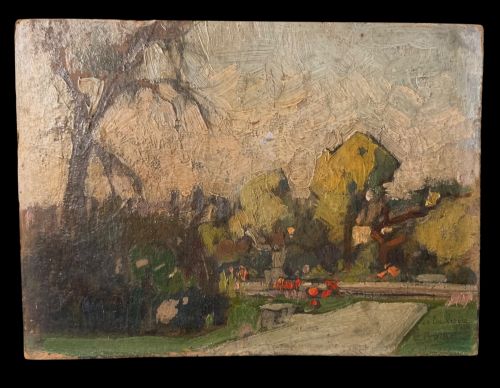
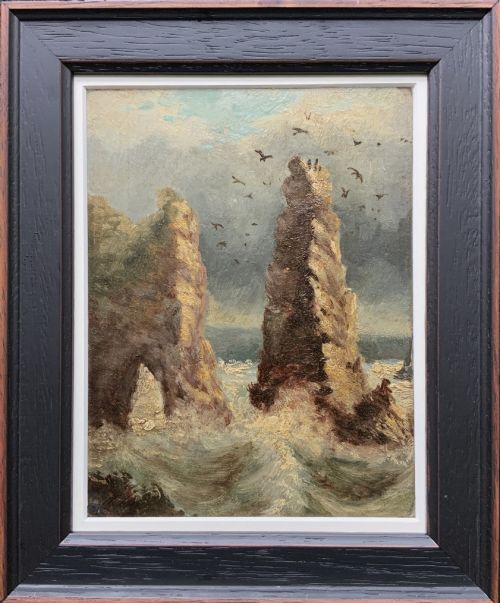
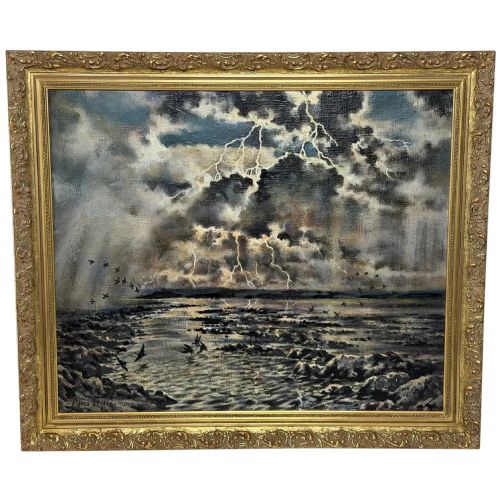
Artists utilise traditional supports including stretched canvas, wooden boards, heavy paper, and occasionally gesso grounds to receive their pigments. Oil paint dominates the selection, applied to build rich textures and deep tonal gradations across both large-scale historical works and smaller cabinet pieces.
Watercolour and pastel pigments offer an alternative medium on paper, capturing light and atmospheric conditions with distinct transparency and softness. Gouache provides heavier opacity for architectural details and coastal scenes, frequently paired with pastel or ink pen drawings.
Many of these works retain their original or period frames, which often feature ornate gilt mouldings that complement the painterly execution of the canvas or paper within.
Landscape Painting Art Retail Price Guide 2026
Typical asking prices for landscape painting art among the pieces listed under this phrase on Sellingantiques today, from the lower quarter to the upper quarter. They describe what is for sale here now, not the wider market.
Evaluating quality and execution
Quality rests primarily upon the artist's handling of light, atmospheric perspective, and compositional balance within the chosen medium. Works by listed academic painters or exhibited artists demonstrate superior command over anatomical proportions in figures and animals, spatial depth in distant horizons, and harmonious colour palettes.
The preservation of the pigment layer significantly influences desirability, with stable oil films, minimal craquelure, and vibrant pastel or watercolour hues commanding greater attention. Furthermore, the presence of original signatures, legible artist inscriptions, and period framing contributes to the historical integrity of the piece.
Michele Federico·Ernest Rigg·Evelyn Harris·Stanley Leader·Robert Duddingstone Herdman·Henry Lines·George F Pennington·John Syer·Adolf Johann Höffler·Robert Gallon·Pieter Cornelis Steenhouwer·John Horwood·Angus Rands·Peggy de Brett·Philip Naviasky
The Landscape Painting Art Glossary
- Canvas
- A heavy woven fabric stretched across a wooden frame to serve as a sturdy support for oil painting. It provides a tactile surface that responds well to layered brushwork.
- Gouache
- An opaque watercolour paint mixed with a binding agent and white pigment to create solid, matte colour areas. It allows artists to build bright highlights on paper supports.
- Pastel
- A dry drawing medium composed of powdered pigment and a binder, shaped into sticks. Artists utilise it to achieve soft atmospheric effects and velvety colour transitions.
- Craquelure
- A fine network of microscopic cracks that form across the surface of aged oil paint or varnish over decades. It serves as a natural indicator of material age.
- Provenance
- The documented history of ownership and exhibition attached to an artwork. A clear provenance confirms the authenticity and attribution of the piece.
Landscape Painting Art: Frequently Asked Questions
What periods do these paintings cover?
The listings span from the early nineteenth century through the Victorian and Edwardian eras into the mid-twentieth century. This temporal range captures shifts from romantic topographical views to mid-century British impressionism and pastel realism.
Collectors can trace evolving artistic approaches to natural light and rural industry across these distinct decades.
How should I care for an antique painting?
Antique canvases and works on paper require stable environmental conditions away from direct sunlight and dampness. Keeping them out of fluctuating humidity protects the wooden stretchers and prevents pigment degradation.
Glazed watercolours and pastels benefit from being hung away from heat sources to safeguard the paper supports and delicate media.
Are these artworks signed by the artists?
Many of the listed pieces feature artist signatures, studio stamps, or contemporary inscriptions on the front or reverse. Some works originate directly from studio portfolios or retain historical exhibition labels.
Unsigned pieces are typically attributed through stylistic comparisons, subject matter, and period framing conventions.
What is the difference between oil and watercolour?
Oil paint utilises a drying oil binder, allowing for thick impasto applications, subtle blending, and rich colour saturation on canvas or board. Watercolour employs water-soluble binders on paper, creating translucent washes and luminous highlights.
Oils generally offer greater durability over time, while watercolours require protective glazing to prevent fading.