


Lambeth Pottery Vase
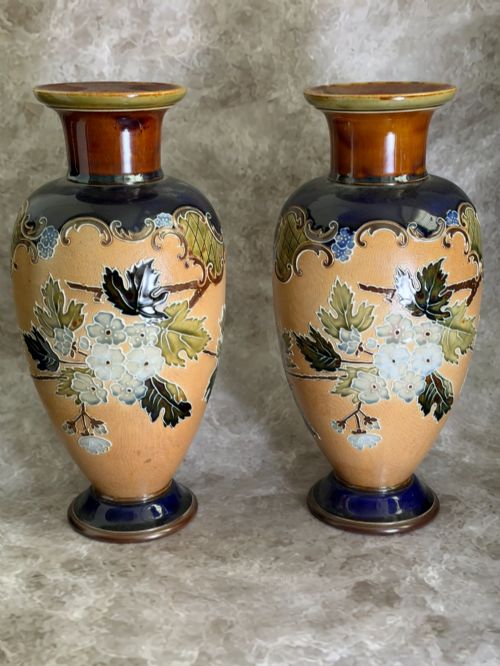
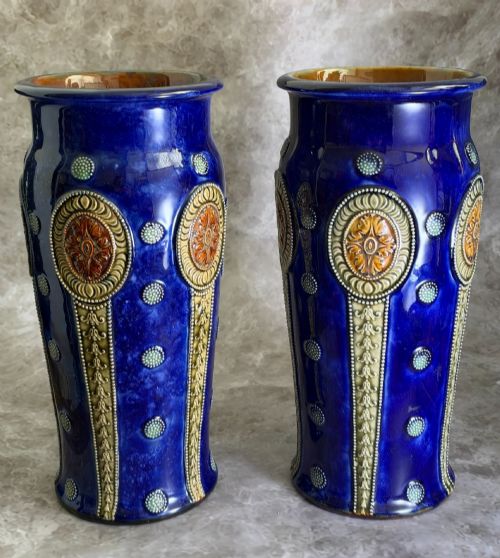
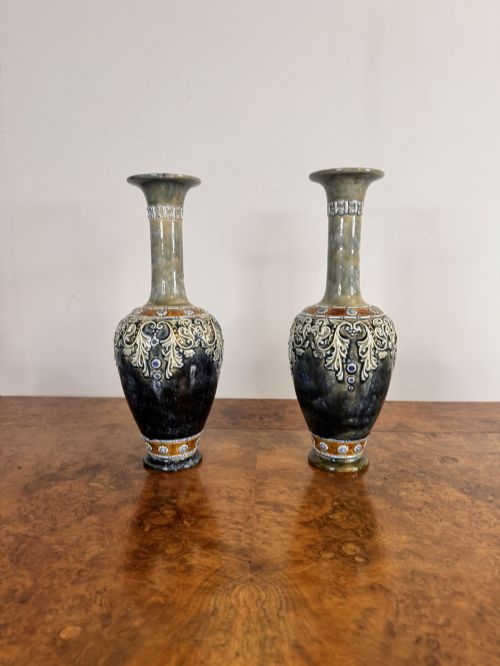
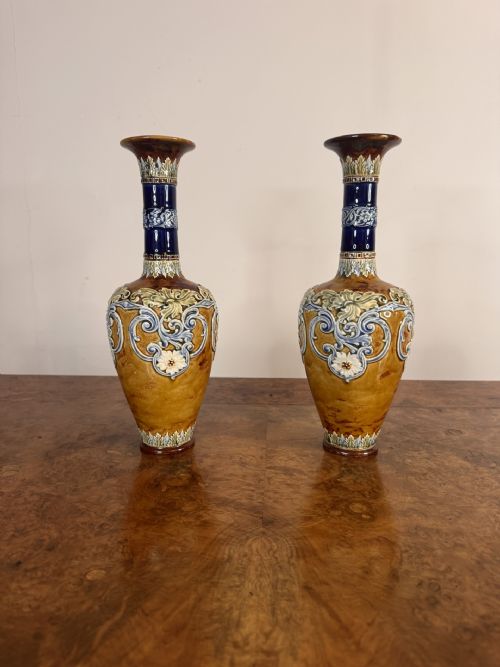
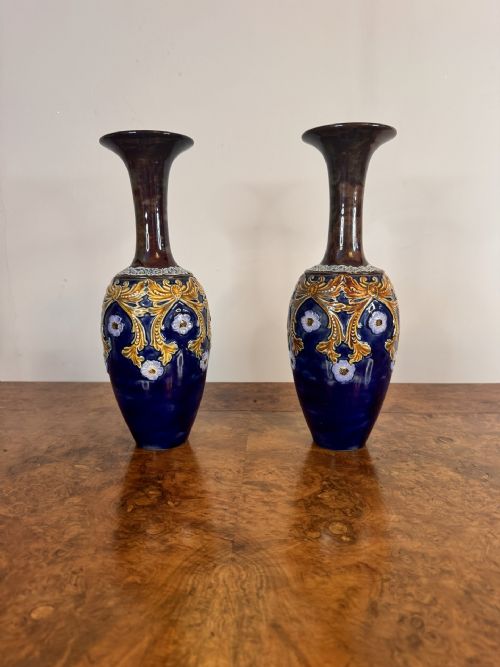
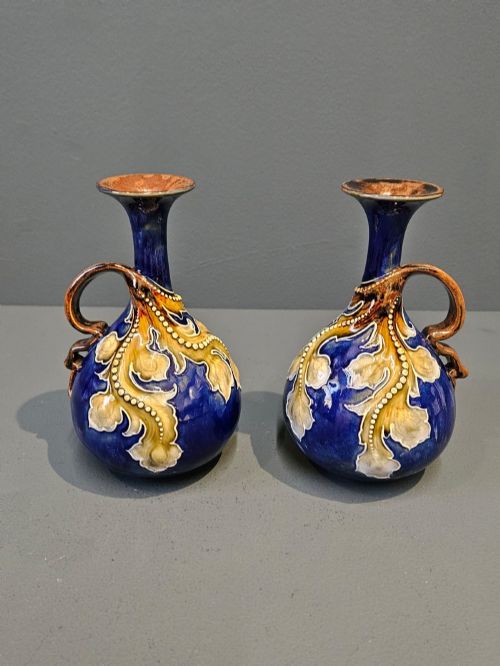
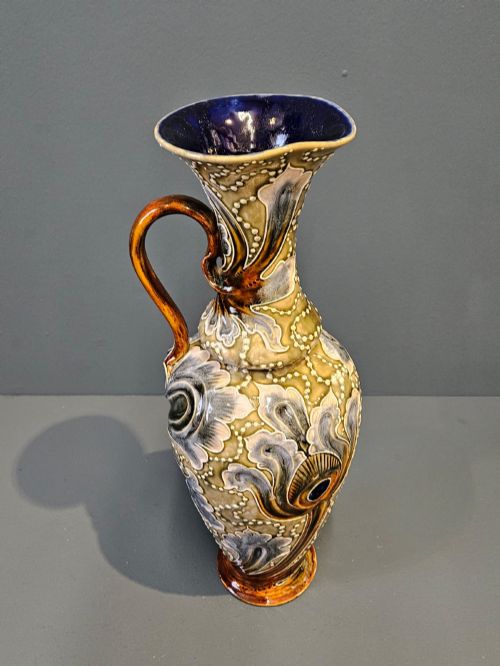
A lambeth pottery vase brings substantial weight and rich ornamentation to a mantel, offering a distinct connection to late Victorian and Edwardian studio ceramics.
Lambeth Pottery Vase
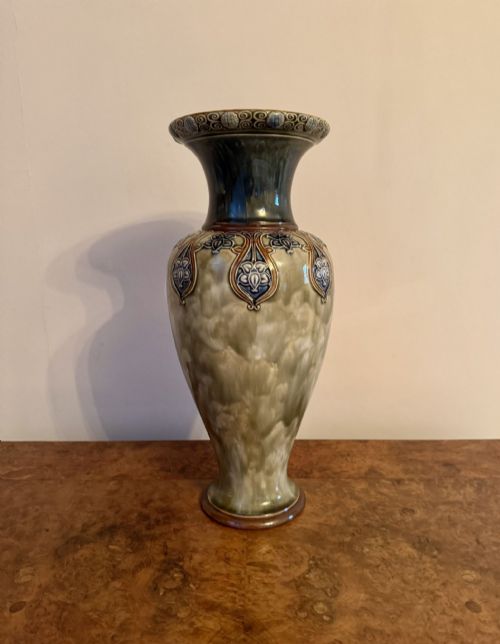
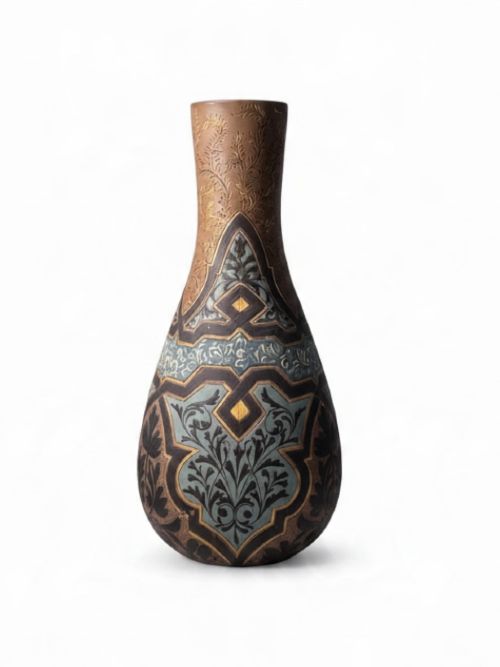
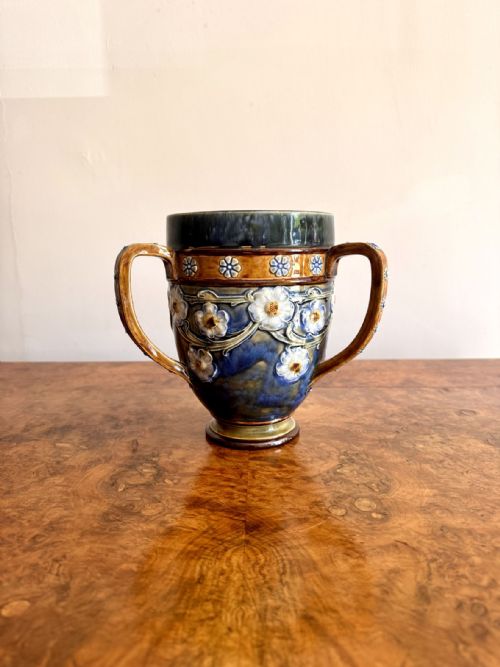
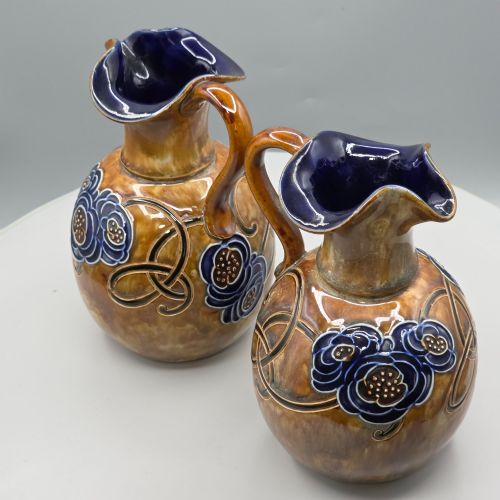
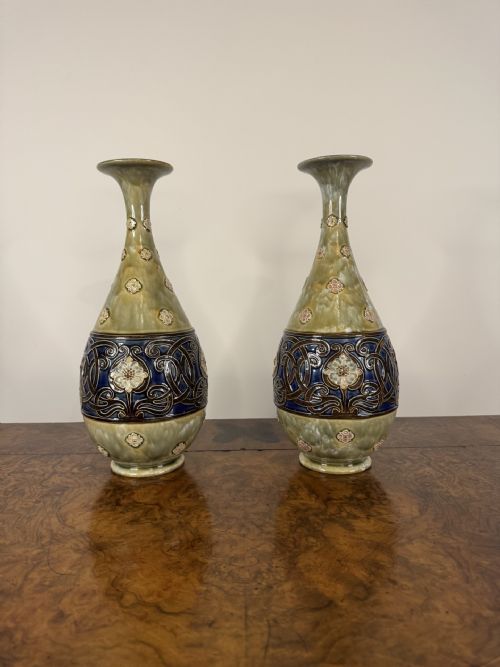
A lambeth pottery vase is a sturdy vessel produced primarily during the nineteenth and early twentieth centuries, encompassing periods from the Victorian era through to the nineteen-twenties. These pieces frequently manifest as substantial baluster shapes, ewers, and jugs.
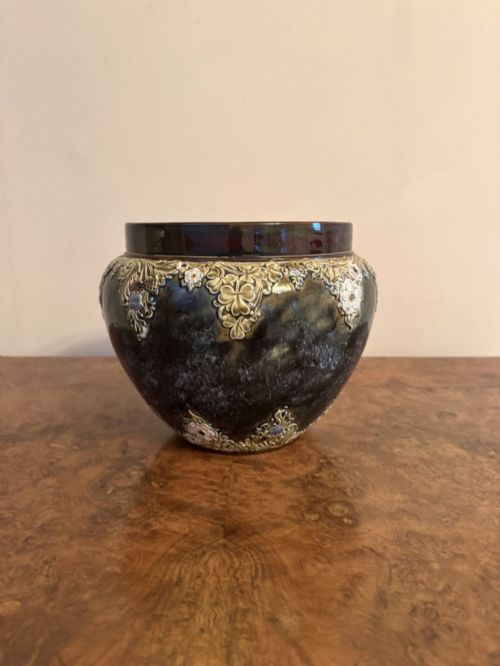
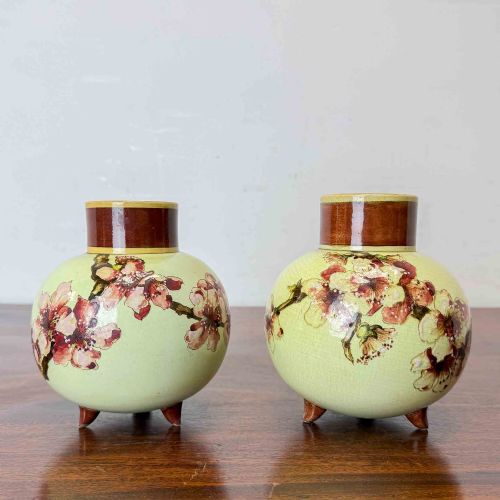
The buyer meets pairs and individual examples shaped by prominent design movements, with Art Nouveau, Arts and Crafts, and Aesthetic styles dominating the current selection. Stoneware and glazed ceramic bodies prevail, often decorated with floral motifs, leaf patterns, and intricate hand-painted details.
How they were made
Makers utilised heavy stoneware and ceramic bodies, firing the clay at high temperatures to achieve durable, vitrified vessels suitable for decorative application. Glazed finishes and enamel floral décor were then applied to the exterior surfaces, adding colour and texture.
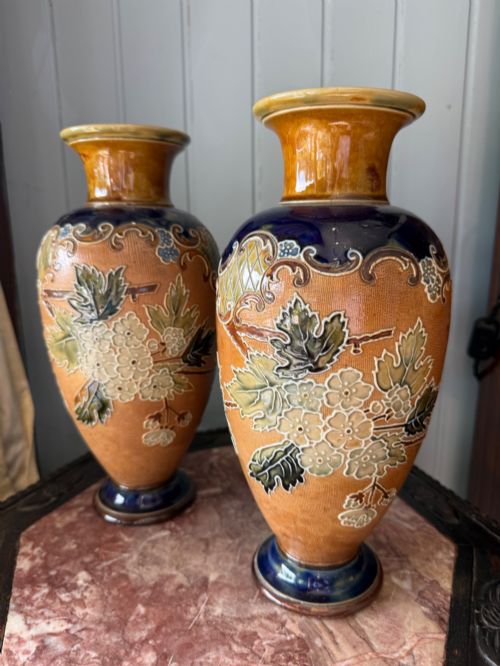
Techniques such as Slater's Patent introduced impressed lace or fabric textures directly into the damp clay, which were subsequently highlighted with coloured glazes and gilding. Specialised faience methods allowed artists to paint directly onto the unfired pottery beneath a transparent glaze.
Lambeth Pottery Vase Retail Price Guide 2026
Typical asking prices for lambeth pottery vase among the pieces listed under this phrase on Sellingantiques today, from the lower quarter to the upper quarter. They describe what is for sale here now, not the wider market.
Several pieces preserve the careful brushwork of pioneering female artists who signed their floral designs directly into the wet clay.
What varies in quality
The distinction between standard production and the finest work lies in the identity and skill of the decorator. Pieces executed by notable artists command greater attention through their confident brushwork and individual artistic expression.
Execution of form and complexity of surface decoration also separate ordinary vessels from exceptional examples. Balanced proportions, crisp impressed patterns, and rich enamel or gilt highlights indicate superior workshop standards.
Royal Doulton·Alice Euphemia Thatcher·Louisa Wakely·Eliza Simmance·Florence Barlow
The Lambeth Pottery Vase Glossary
- Stoneware
- A heavy, dense ceramic pottery fired at high temperatures until vitrified and impervious to liquids. This material forms the durable foundation for many nineteenth-century studio pieces.
- Baluster
- An architectural term describing a vase with a rounded body that tapers upward into a narrow neck. This specific silhouette provides stability and visual balance.
- Faience
- Tin-glazed earthenware painted before a final glaze firing. It permits intricate pictorial decoration across the surface of the vessel.
- Enamel
- Opaque glass paste fused to the ceramic surface through firing. It adds vibrant points of colour and raised tactile detail to floral motifs.
Lambeth Pottery Vase: Frequently Asked Questions
What periods do these pieces come from?
The selection spans primarily from the Victorian era and the nineteenth century into the early twentieth century, including Art Nouveau and Edwardian phases.
Specific pieces date from the eighteen-eighties onward, showing distinct shifts in decorative taste from Aesthetic movement patterns to flowing floral designs.
How should I display a stoneware vase?
These heavy stoneware vessels require sturdy surfaces such as solid timber sideboards or low mantelpieces where their weight is safely supported.
Keep them out of direct, harsh sunlight to protect any delicate enamel or gilt surface decorations from fading over time.
What is Slater's Patent decoration?
Slater's Patent is a manufacturing technique involving pressing lace or woven fabrics into damp clay to create rich, textured backgrounds.
Artists then filled these impressions with coloured glazes and metallic highlights, producing a distinctive tactile surface pattern unique to the period.
Are these vessels suitable for holding water?
Most stoneware and glazed ceramic pieces are fully vitrified and capable of holding water for fresh cut flowers without sustaining damage.
However, delicate earthenware or faience items with intricate painted surfaces are better preserved when kept dry as pure display objects.