

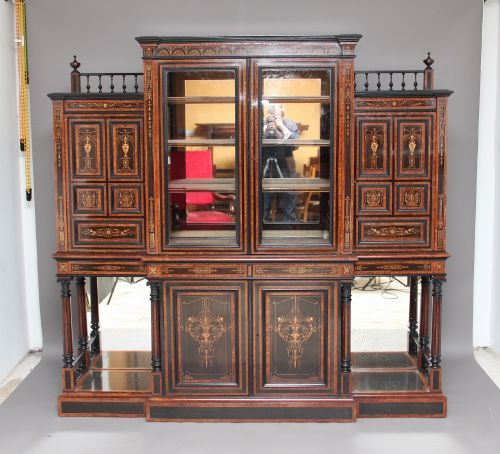


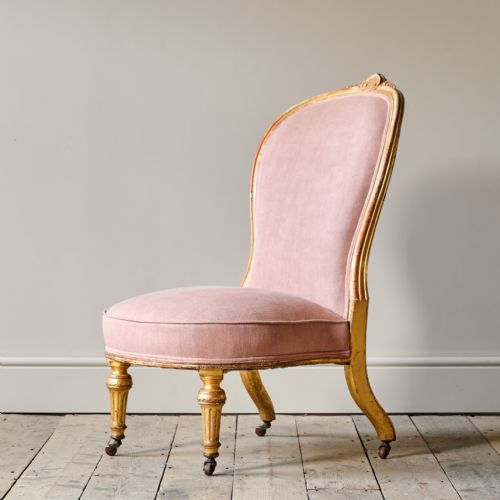
Lamb of Manchester
Lamb of Manchester pieces are substantial Victorian and Edwardian furnishings produced by a celebrated northern workshop, highly sought after by collectors of refined nineteenth-century design.
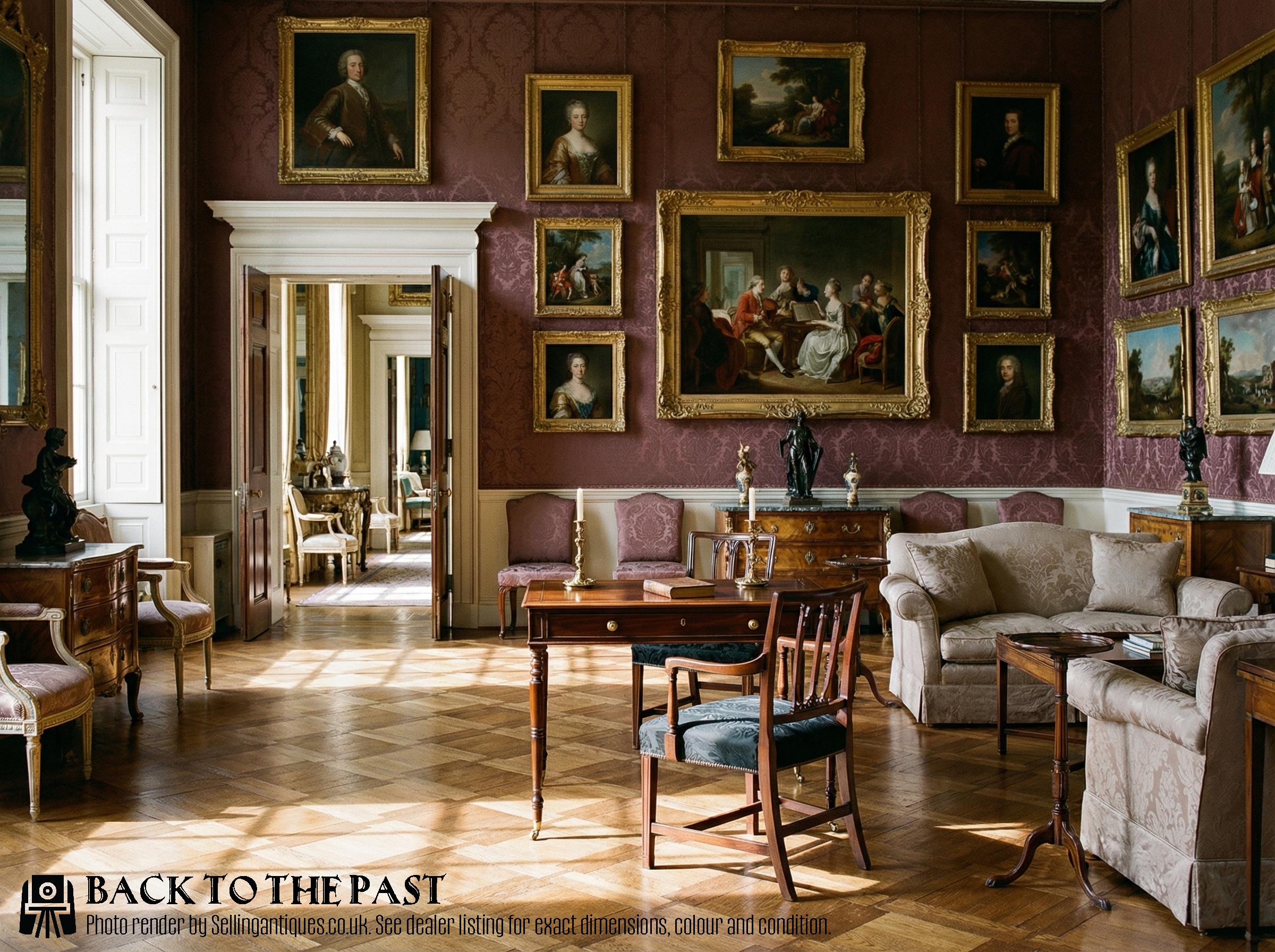
Lamb of Manchester
When searching for Lamb of Manchester, buyers encounter a diverse selection of nineteenth-century and Edwardian furniture ranging from large bookcases and wardrobes to card tables, desks, and dining chairs. The most frequent pieces appearing in collections include mahogany, oak, and walnut cabinets, writing tables, and seating created during the Victorian and Edwardian eras.
The firm's output spans several distinct stylistic movements, including the Aesthetic Movement, Gothic Revival, and Sheraton Revival. Buyers will discover both labelled masterworks and pieces produced in the characteristic manner or attributed through stylistic markers of the workshop.
How they were made
Craftsmen utilised robust timbers such as mahogany, oak, walnut, and coromandel, frequently incorporating decorative veneers like amboyna and satinwood for crossbanding and panelling. Ebonised wood and parcel gilt details appear alongside brass hardware, bevelled glass, and leather inserts to create deeply textured surfaces.
Construction techniques combine traditional cabinet-making with distinctive surface decoration, employing carved detailing, incised lines, and inlaid patterns associated with designers linked to the firm.
Lamb of Manchester Retail Price Guide 2026
Typical asking prices for lamb of manchester among the pieces listed under this phrase on Sellingantiques today, from the lower quarter to the upper quarter. They describe what is for sale here now, not the wider market.
Several footstools and luggage racks managed to survive decades of heavy domestic use alongside grand wardrobes.
What varies in quality
Quality separates through the selection of timber figures - such as burr walnut and pollard oak - and the precision of secondary details like hand-carved ornamentation and gilt accents. Pieces bearing direct attribution or maker signatures command distinct interest over those simply echoing the workshop style.
The sophistication of structural proportions and the integration of diverse materials, including amboyna veneers or inlaid consoles, define the upper echelon of surviving pieces.
Lamb of Manchester·James Lamb·Charles Bevan·Goodhall Lamb and Heighway
The Lamb of Manchester Glossary
- Aesthetic Movement
- A nineteenth-century design style emphasising visual beauty over narrative subject matter, often featuring ebonised finishes and incised gilding. This aesthetic heavily influences many of the firm's tables and cabinets.
- Compactum
- A multi-functional fitted wardrobe designed to maximise storage efficiency within domestic bedrooms. Edwardian examples often pair these with matching dressing tables.
- Gothic Revival
- An architectural and decorative style drawing inspiration from medieval forms, characterised by pointed arches and robust carved oak. Pieces in this vein display heavy structural presence.
- Parcel Gilt
- A decorative technique where selected portions of an object are gilded with gold leaf while other areas retain their natural wood finish. This method highlights carved mouldings on ebonised surfaces.
Lamb of Manchester: Frequently Asked Questions
How do I identify a genuine piece?
Authentic items often carry maker marks, paper labels, or stamps associated with the Manchester workshop. Stylistic clues such as specific carving motifs, choice of secondary woods, and association with designers like Charles Bevan also aid identification.
Comparison with documented archival examples helps confirm attribution when physical stamps are absent from the timber structure.
What periods do these items cover?
The pieces span the nineteenth and early twentieth centuries, clustering primarily around the Victorian and Edwardian eras. Production dates stretch from the mid-nineteenth century through to around nineteen hundred.
Different stylistic revivals emerged across these decades, shifting from Gothic Revival and early Victorian oak to Aesthetic Movement ebonised pieces and later Sheraton Revival mahogany.
How were these furnishings used originally?
These items served functional roles in wealthy Victorian and Edwardian homes, functioning as libraries, formal dining rooms, drawing rooms, and master bedrooms. Desks, partner tables, and writing cabinets accommodated household administration and correspondence.
Larger furniture like bookcases, credenzas, and wardrobes provided storage and display for domestic wealth, literature, and personal attire.
How should I care for antique timber?
Preserving these surfaces requires maintaining stable indoor humidity levels and keeping pieces away from direct heat sources and strong sunlight. Regular dusting with a soft, dry cloth protects delicate veneers like amboyna and walnut.
Avoid commercial silicone sprays, relying instead on traditional wax polishes applied sparingly when the timber appears dry.