



Lalique Glass Mascot
These lalique glass mascot pieces bring Art Deco design and animal forms together.
Lalique Glass Mascot
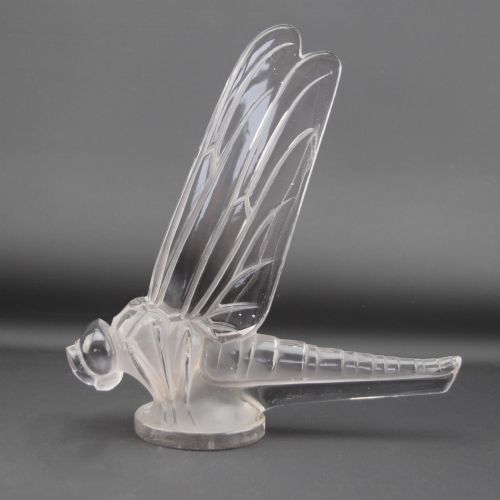
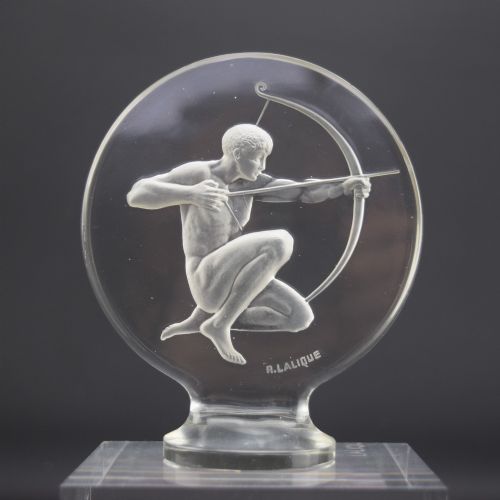
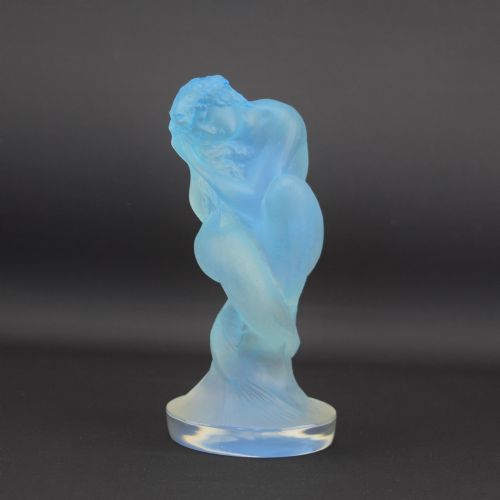
When you search for lalique glass mascot, you encounter decorative objects designed primarily as car mascots during the 1920s and 1930s. These pieces take the form of animal figures such as eagles, elephants, boars, and fish alongside human subjects like archers and sirens. Many examples double as paperweights due to their solid construction and substantial bases.
The pieces on this page originate from the interwar period, specifically spanning the nineteen-twenties and nineteen-thirties. You will frequently meet car mascot forms that transitioned into desk ornaments after their motoring era. Each object represents the intersection of automotive luxury and fine decorative glass production.
How they were made
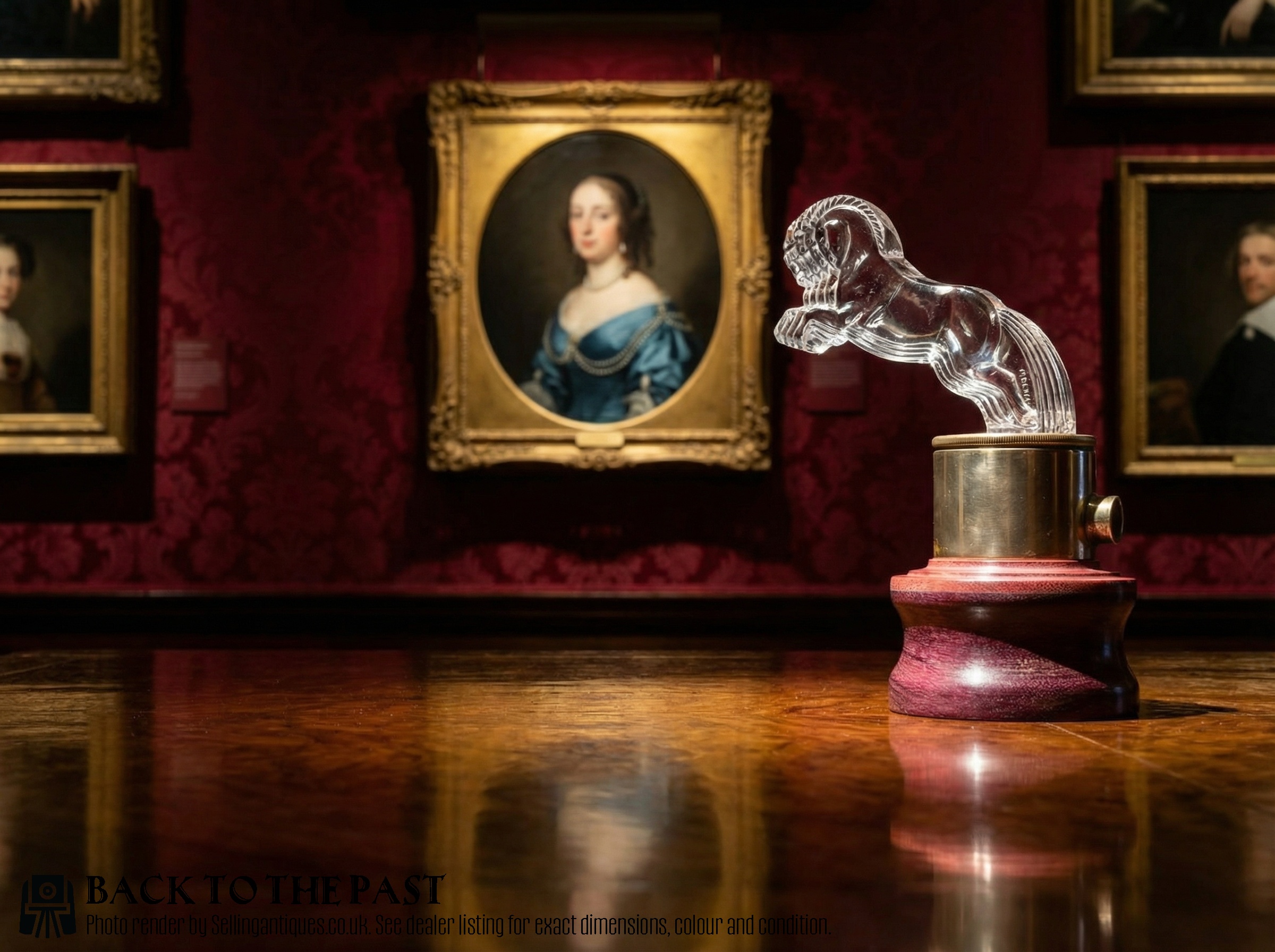
Makers utilised moulded glass, moulded crystal, and pressed glass to shape these figures. The techniques involve shaping molten material into complex figurative designs using metal moulds. Metal and wood elements sometimes appear as mounts or bases supporting the glass figures.
Surface finishes rely heavily on frosted glass, clear glass, and opalescent glass variations. Craftsmen manipulated the cooling process and chemical composition to create milky opalescence or contrasting clear and frosted textures. These treatments define the visual depth of feathers, fur, and anatomical details.
What varies in quality
The choice of material treatment, such as the contrast between frosted and clear surfaces, dictates the refinement of the object. Pieces that balance transparency with tactile frosting demonstrate superior technical execution. The integration of metal or wood mountings further influences the overall standard of the finished object.
Rene Lalique
The Lalique Glass Mascot Glossary
- Moulded Glass
- Glass shaped by being pressed or blown into a prepared cavity or form. This technique allows for repeatable three-dimensional figurative designs.
- Opalescent Glass
- Glass that displays a milky, iridescent quality with shifting blue and amber tones under light. It enhances the sculptural contours of animal and human figures.
- Frosted Glass
- Glass treated to achieve a textured, matte surface finish rather than a clear one. This treatment highlights specific anatomical details on decorative figures.
- Car Mascot
- An ornamental sculpture mounted on the radiator cap of a motor car during the early twentieth century. Many glass examples later function as desk ornaments.
- Art Deco
- The dominant design style of the 1920s and 1930s characterised by stylised forms and symmetrical patterns. This aesthetic governs the geometry of these glass objects.
Lalique Glass Mascot: Frequently Asked Questions
What is a lalique glass mascot?
A lalique glass mascot is a small decorative sculpture produced during the 1920s and 1930s to adorn motor car radiator caps. These figures depict animals, birds, and human subjects modelled in clear, frosted, or opalescent glass.
Many of these objects served a dual purpose as desk ornaments or paperweights. Their solid bases allowed them to transition easily from automotive use to interior display.
How were they used originally?
Drivers mounted these glass figures onto the radiator caps of luxury automobiles during the interwar motoring era. They acted as personal statements of style for car owners.
As motoring tastes changed, owners removed the figures from vehicles and placed them on desks or tables. This shift turned functional car accessories into static decorative objects.
What periods do these pieces come from?
These pieces date from the 1920s and 1930s, aligning with the height of the Art Deco period. The designs reflect the artistic priorities of the interwar decades.
Production during this era relied on specialised moulding techniques developed for decorative glassware. The dates associated with individual pieces typically fall within these two decades.
How do you display them at home?
You can display these glass objects on flat surfaces where light passes through the material. Placing them near windows allows opalescent and frosted finishes to catch the light.
Because many double as paperweights, they function well on desks, bookshelves, or mantelpieces. Their compact size permits placement in various interior settings.
What materials are used in these pieces?
The primary material is glass, encountered as moulded glass, pressed glass, moulded crystal, clear glass, frosted glass, and opalescent glass. Each variation creates different visual effects.
Some examples incorporate secondary materials like metal and wood, usually as part of a base or mounting. These combined materials support the main glass figurine.