



Lalique Charger Plate
A lalique charger plate brings the striking forms of Art Deco and Art Nouveau glasswork straight into your home.
Lalique Charger Plate
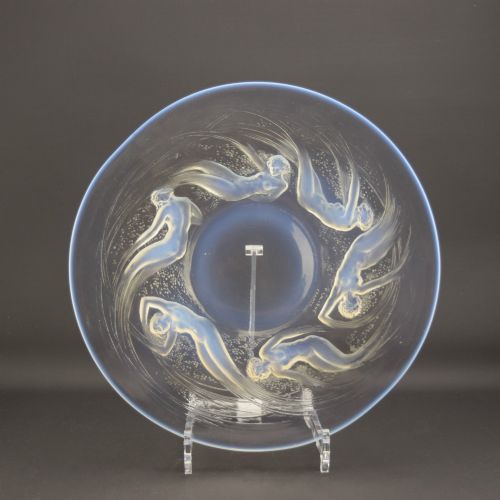
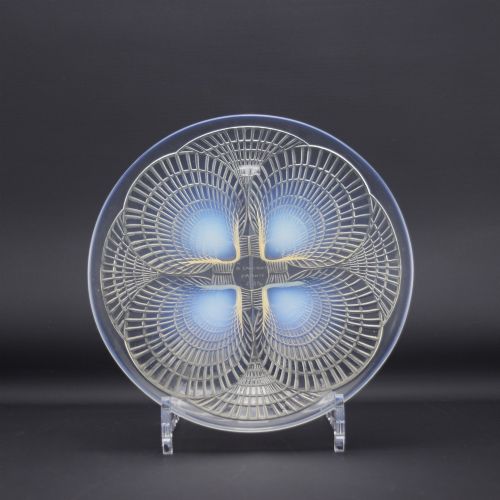
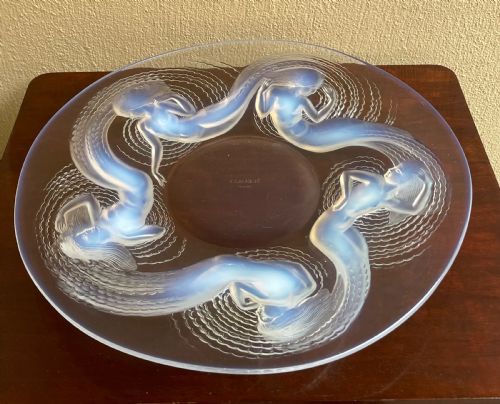
A lalique charger plate encompasses large decorative plates, shallow bowls, and salvers produced during the early twentieth century. These pieces showcase intricate moulded designs inspired by natural and mythological motifs.
The items seen on this page primarily date from the nineteen twenties and nineteen thirties, reflecting the height of modernist design. Collectors seek these larger charger plates for their strong visual presence and artistic merit.
Forms range from flat decorative plates to shallow coupes and wide chargers, each designed to function as a centrepiece. The selection focuses heavily on opalescent glass variations that catch and refract light.
How they were made
Makers utilised moulded glass techniques to achieve deep relief patterns and three-dimensional surface textures across each charger. Molten material was pressed into metal moulds to capture fine details of flora, fauna, and figures.
Opalescent glass and sepia staining define the surface treatment of these works, creating milky blue shifts and warm tonal depths. The interplay of clear and frosted areas highlights the sculptural qualities of the moulded motifs.
Listings feature pieces exclusively from the nineteen twenties and nineteen thirties, showcasing both Art Deco and Art Nouveau styles.
What varies in quality
Quality rests in the crispness of the moulded relief and the intensity of the opalescent glow within the glass. Finer examples display sharp definition in intricate subjects like fish, florals, and figures without surface distortion.
The depth of the sepia stain and the uniformity of the glass body determine the visual impact of the piece. Superior craftsmanship ensures that the tactile qualities of the surface enhance the overall design.
René Lalique
The Lalique Charger Plate Glossary
- Charger plate
- A large decorative plate used traditionally as a base or displayed independently as a focal point. These items offer a wider surface area for complex moulded designs.
- Opalescent glass
- Glass that diffuses light to display a milky, bluish appearance against brighter backgrounds. This effect shifts depending on the angle of illumination and the thickness of the material.
- Sepia stain
- A brownish pigment applied to accentuate the recessed details of moulded glass patterns. It provides contrast and depth to figures and motifs.
- Moulded glass
- Glass shaped by pressing molten material into a prepared form. This technique allows for consistent reproduction of intricate artistic reliefs.
- Coupe plate
- A shallow circular vessel with a curved inner wall rather than a distinct flat base and rim. It bridges the form of a plate and a bowl.
Lalique Charger Plate: Frequently Asked Questions
How do I date a glass charger?
Dating relies on stylistic markers, specific motifs, and the manufacturing techniques recorded in early twentieth-century production. Pieces from the nineteen twenties often lean towards naturalistic or mythological subjects.
Items from the nineteen thirties frequently adopt more geometric or stylised Art Deco forms. Examining the specific glass formulation and surface staining also helps establish the era.
Where should I display my charger?
These decorative plates demand a secure surface where natural or artificial light can pass through the glass. Placing them on plate stands allows the opalescent qualities and moulded details to be fully appreciated.
Avoid areas subject to heavy vibrations or unstable footing due to the delicate nature of historical glassware. Proper placement ensures safety while highlighting the artistic relief.
What makes opalescent glass unique?
Opalescent glass contains chemical agents that cause it to scatter light, creating a milky blue or amber glow. This optical property gives the moulded designs a luminous, ethereal quality.
The effect changes dynamically depending on whether the piece is viewed against transmitted or reflected light. This responsiveness to illumination defines the appeal of the material.