
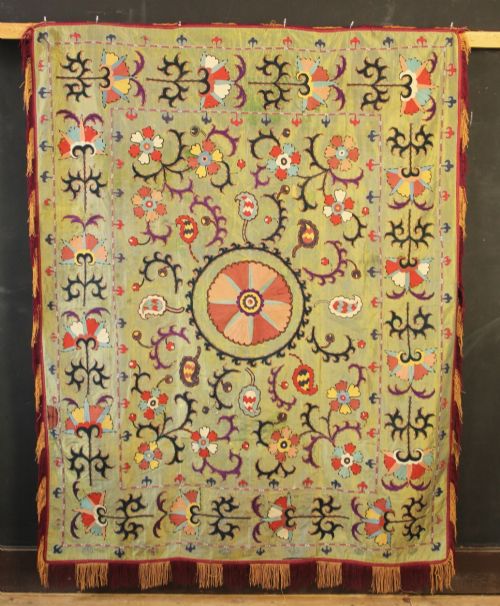


Lakai Silk Embroidery
Lakai silk embroidery pieces are Central Asian tribal textiles worked in vivid threads, prized by collectors for their dynamic geometric compositions and rich cultural history.
Lakai Silk Embroidery
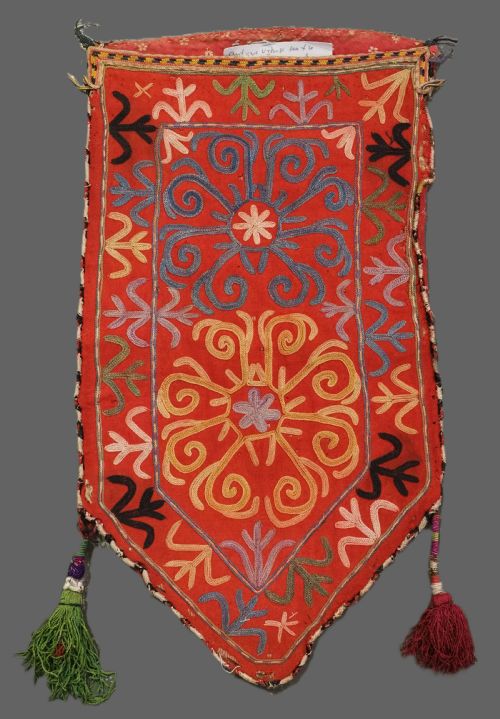
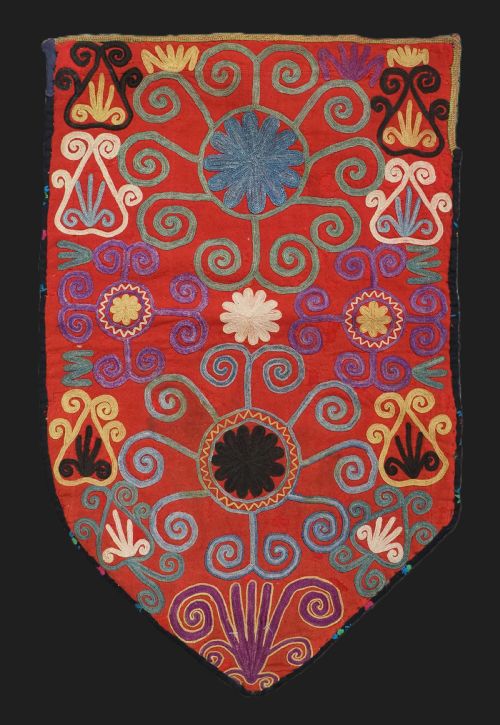
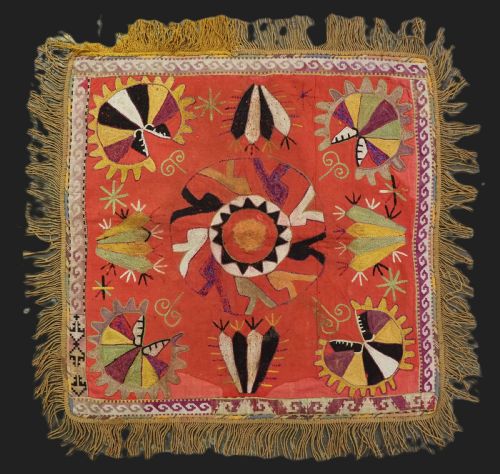
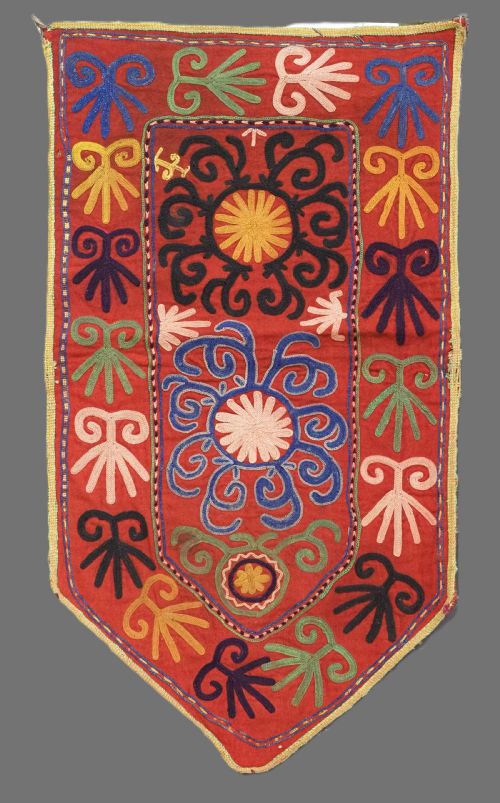
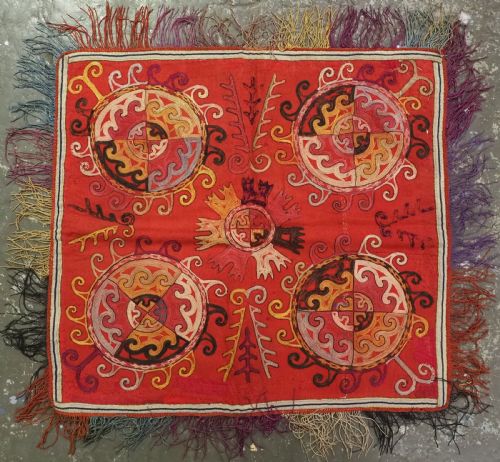
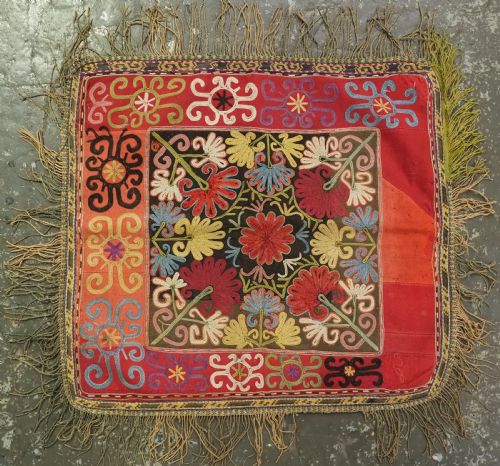
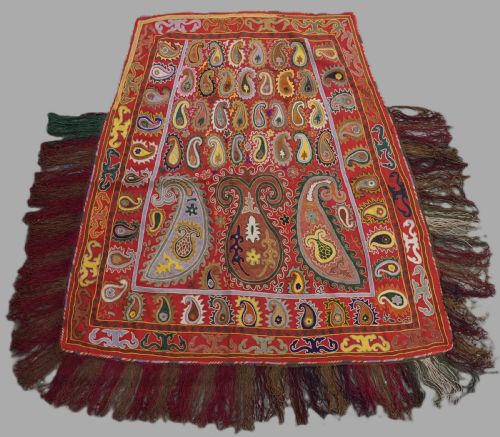
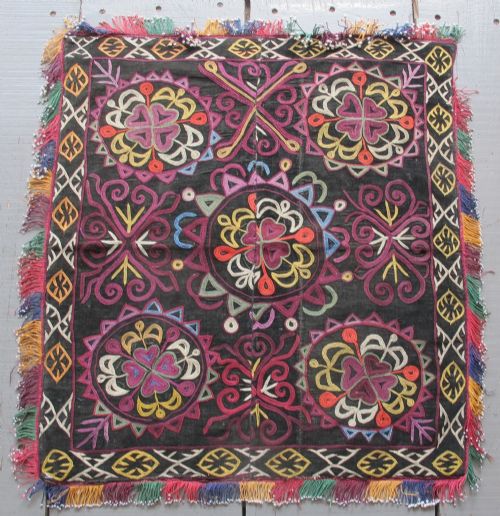
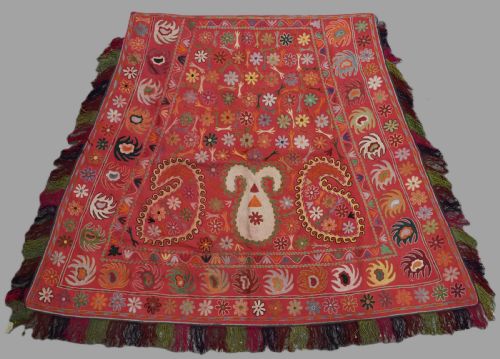
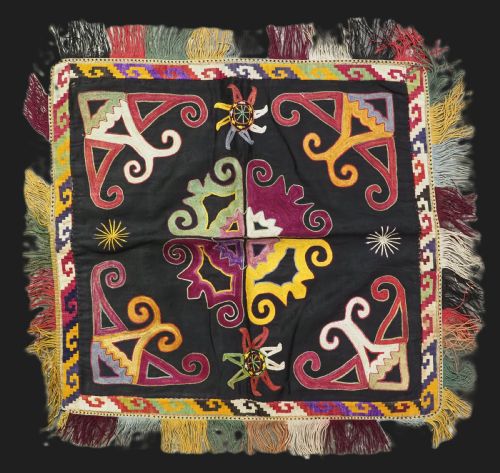
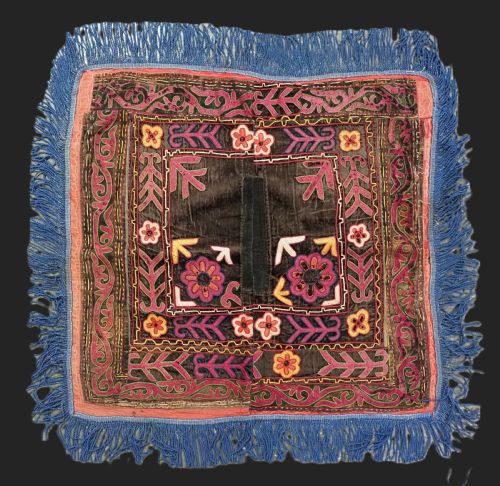
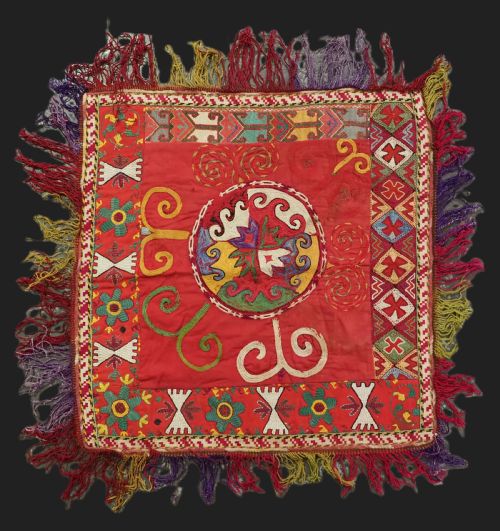
When searching for lakai silk embroidery, buyers encounter a specialised group of Central Asian tribal textiles originating from the late nineteenth century and early twentieth century. These objects include ceremonial horse covers, saddle rugs, dowry wall hangings known as ilgich, mirror covers, and nimble suzani panels.
The version most commonly met on this page is the traditional dowry embroidery or wall hanging, created by the Lakai people of Uzbekistan. These works display distinct regional forms from centres such as Shakrisabz, reflecting deep nomadic traditions through textile art.
Pieces span a period from the eighteen-eighties through to the nineteen-twenties, showing consistent application of folk art motifs. Each textile serves as a window into the visual culture of Central Asian tribal communities.
Materials and Techniques
The foundation of these textiles relies primarily on wool, cotton, and velvet grounds, providing a durable base for intricate needlework. Silk thread forms the dominant medium for the decorative surface patterns, creating high contrast and lustre against the backing fabric.
Additional tactile elements such as wool fringe and glass beads frequently enrich the composition, adding texture and weight to ceremonial pieces. The interaction between silk embroidery and wool or cotton grounds defines the physical structure of each item.
Materials recorded across the selection include silk, cotton, wool, velvet, and glass beads.
Assessing Quality and Execution
Quality in these Central Asian textiles rests upon the density of the needlework and the complexity of the design layout. Finer examples display tight, even silk thread application that fully covers the ground fabric, demonstrating superior dexterity.
The visual strength of the piece depends on the harmony of the colour palette and the precision of the tribal motifs. Greater artistic expression and careful preservation of materials distinguish the finest specimens from simpler domestic works.
The Lakai Silk Embroidery Glossary
- Suzani
- An embroidered tribal textile panel from Central Asia, often worked in silk on a cotton or wool ground. Nim suzani variants refer to smaller half-scale versions of these decorative covers.
- At Torba
- A specific type of decorative horse cover or hanging associated with nomadic traditions in Uzbekistan. They were designed to adorn riding animals during ceremonial occasions.
- Uut Kap
- A large storage bag or hanging associated with nomadic yurt interiors. These functional objects were heavily embellished with tribal needlework.
- Saye Gosha
- A traditional bed decoration created by tribal artisans. These textile pieces feature distinct regional motifs and stitching techniques.
Lakai Silk Embroidery: Frequently Asked Questions
What is lakai silk embroidery?
These pieces are traditional Central Asian tribal textiles made by Uzbek communities using silk thread on various foundation materials. They encompass functional items like horse covers, wall hangings, and dowry pieces.
Created primarily between the late nineteenth century and the early decades of the twentieth century, they represent a distinct branch of folk art. Their dynamic patterns showcase nomadic visual traditions.
How were these textiles used?
Many of these items served ceremonial purposes within nomadic and village life, such as decorating horses for important community events. Others functioned as domestic furnishings, including wall hangings and bed decorations.
Dowry embroideries were specially prepared for marriages, reflecting the social standing and artistic skills of the maker. They played a central role in marking life milestones and decorating yurt interiors.
How do I care for antique silk embroidery?
Protect delicate silk threads and natural fabric grounds by keeping pieces away from direct sunlight to prevent colour fading. Displaying them out of harsh light helps preserve the integrity of the natural fibres.
Mounting textiles professionally onto stable backing supports reduces physical stress on the fabric. Avoid hanging them in areas with high humidity or fluctuating temperatures.
How are different periods identified?
Dating relies on examining the specific types of materials used, such as early aniline or natural silk threads, alongside the weave of the backing cloth. Stylistic traits and structural formats also provide strong indicators of age.
Pieces from the nineteenth century often feature particular colour arrangements and coarser ground fabrics compared to later twentieth-century examples. Comparing regional motifs helps narrow down the timeframe of execution.