





Kuba Tribal Carpet
A kuba tribal carpet is a woven textile from the Caucasus that brings geometric precision and rich wool into a room.
Kuba Tribal Carpet
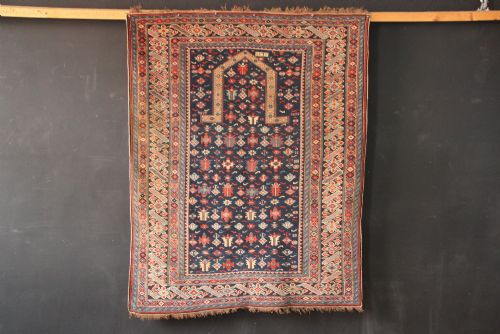
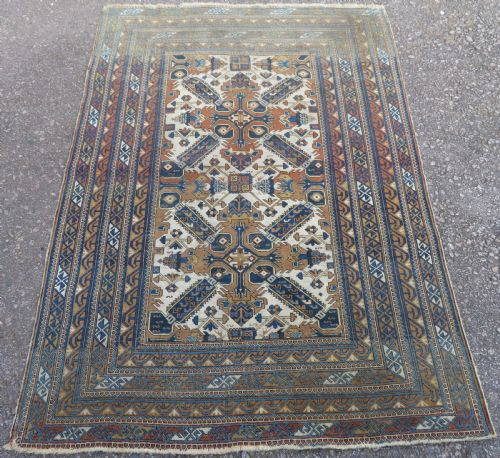
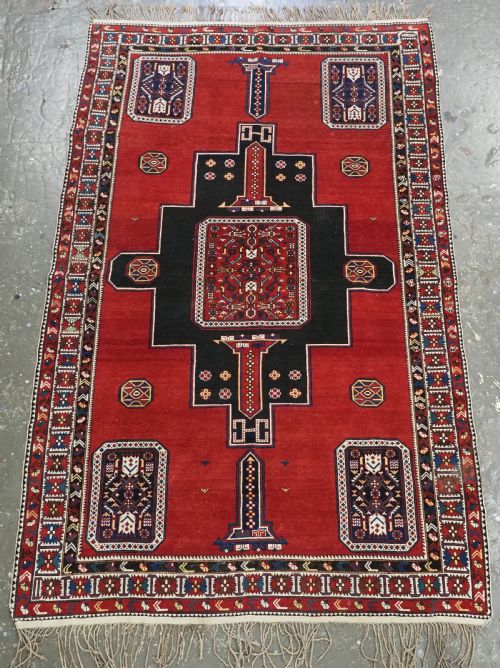
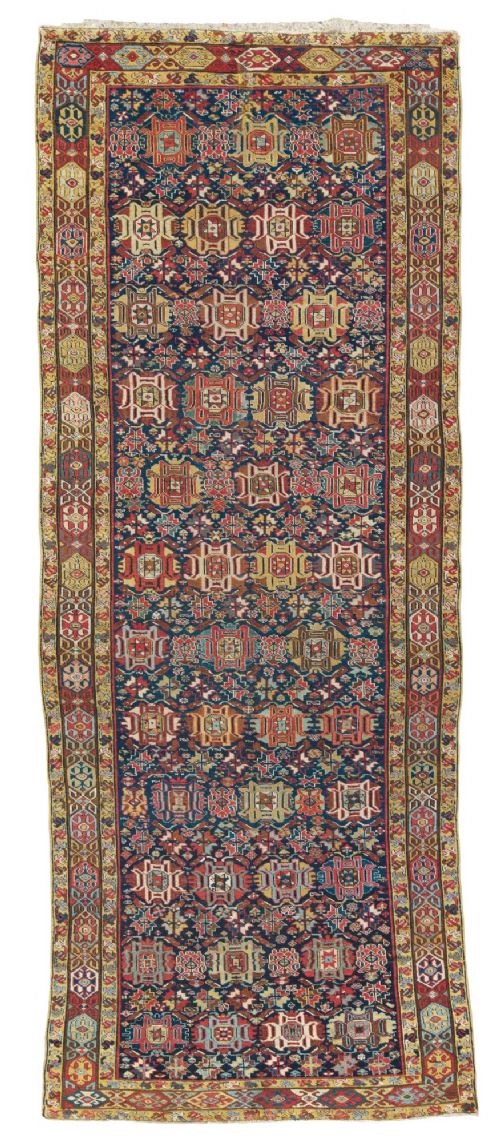
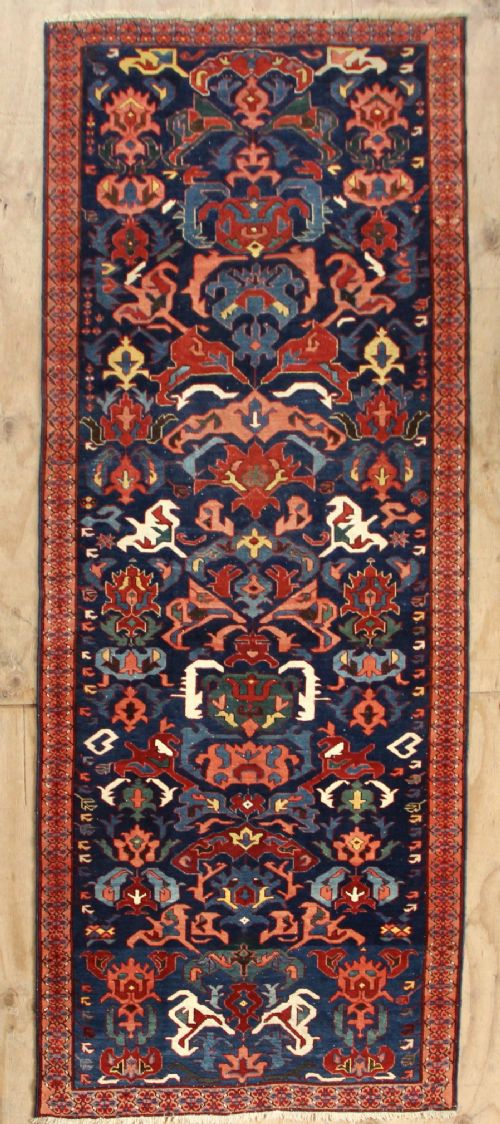
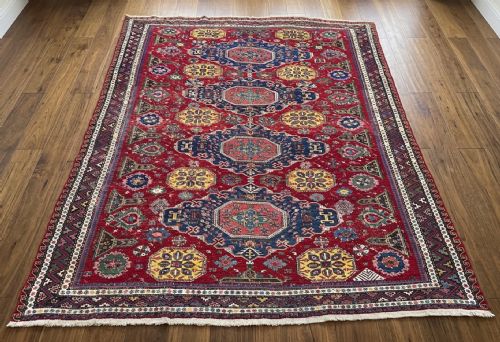
A kuba tribal carpet originates from the Eastern Caucasus region, celebrated for distinctive geometric layouts and symbolic motifs. When searching for a kuba tribal carpet, buyers encounter formats ranging from square area rugs to long narrow runners and large floor carpets. The pieces available span from the mid-nineteenth century up to the early twentieth century, showcasing regional traditions through specific village names like Konagkend, Alpan, Perepedil, and Karagashli.
The visual vocabulary includes central medallions, cruciform patterns, shield designs, and the intricate Afshan floral trellis. Some examples take the form of flat-woven kilims or structured Soumak weave pieces rather than standard pile carpets. Others function specifically as prayer rugs, carrying mihrab arches or traditional devotional framing within the borders.
How they were made
Every kuba tribal carpet is built from wool, utilising traditional hand-knotting or flat-weaving techniques native to Caucasian workshops and villages. The natural wool pile provides durability and a dense texture, while flat-weave kilims and Soumak constructions offer a lighter, smoother handle.
Weavers employed hand-spun yarns dyed in deep indigo, madder red, and secondary tones that mellow gracefully over decades of light and wear. The structure relies on tight knotting over wool foundations, resulting in crisp delineation of geometric borders and medallion outlines.
Kuba Tribal Carpet Retail Price Guide 2026
Typical asking prices for kuba tribal carpet among the pieces listed under this phrase on Sellingantiques today, from the lower quarter to the upper quarter. They describe what is for sale here now, not the wider market.
Materials documented across all pieces consist entirely of wool, fashioned into pile rugs, runners, kilims, and Soumak weaves.
What varies in quality
The fineness of the weave dictates the sharpness of the geometric drawing, separating standard village productions from master-loomed pieces. A higher knot density allows intricate designs like the Perepedil hook motifs or the Afshan trellis to remain precise and legible.
Preservation of the original pile depth and structural integrity governs the condition tier of each piece. Surviving edge bindings, unclipped fringes, and the depth of retained wool pile determine how well the textile withstands modern placement.
The Kuba Tribal Carpet Glossary
- Kelleh
- A large format rectangular carpet traditionally used in Middle Eastern and Caucasian interiors for long spaces. These pieces provide substantial room coverage with grander field designs.
- Soumak
- A flat-weave technique where decorative coloured threads are wrapped over the warp yarns before being locked in place. This method creates a thicker, sturdier textile than standard plain weave kilims.
- Afshan
- A classic repeating floral pattern of interconnected palmettes and blossoms. This design flows continuously across the central field without strict compartmental borders.
- Mihrab
- A niche design incorporated into prayer rugs to indicate the direction of prayer. This architectural motif forms the primary focal point of the textile field.
Kuba Tribal Carpet: Frequently Asked Questions
Where were kuba carpets made?
These textiles were produced in the Kuba region located in the Eastern Caucasus, encompassing numerous weaving villages and communities.
Each village developed specific local variations in border ornamentation, medallion shapes, and palette choices.
Are these carpets made of wool?
Every piece recorded in the evidence utilises wool for both the pile and the foundational structure.
Natural wool provides the tensile strength and soft handle characteristic of nineteenth-century Caucasian weaving.
What is a runner rug?
A runner is a long, narrow format designed specifically for corridors, hallways, or staircases.
In this selection, runners often display repeating medallion or geometric borders tailored to linear spaces.
How do I care for an antique carpet?
Protect the textile from direct sunlight to preserve the natural dyed wool colours over time.
Use a specialised breathable rug underlay and vacuum gently without using rotating beaters.