

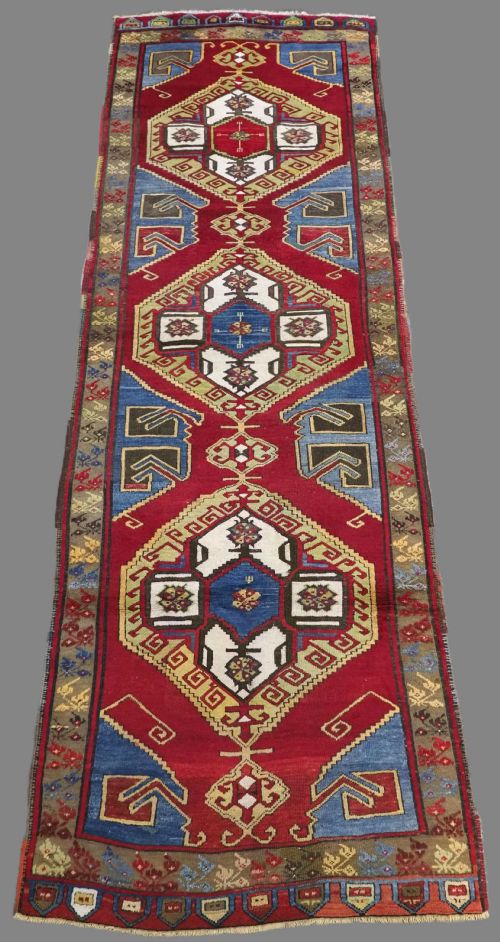
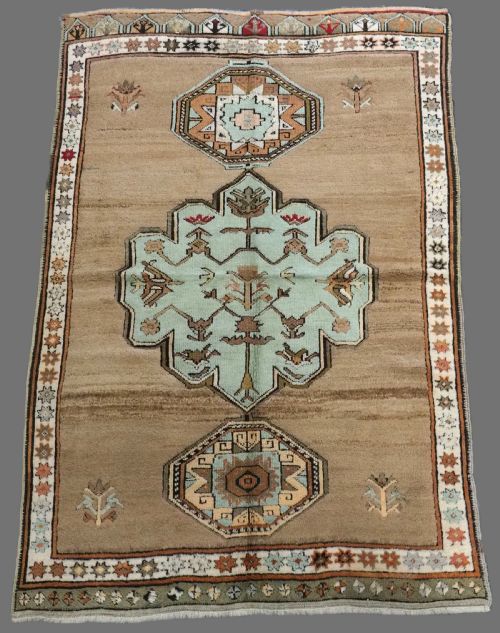
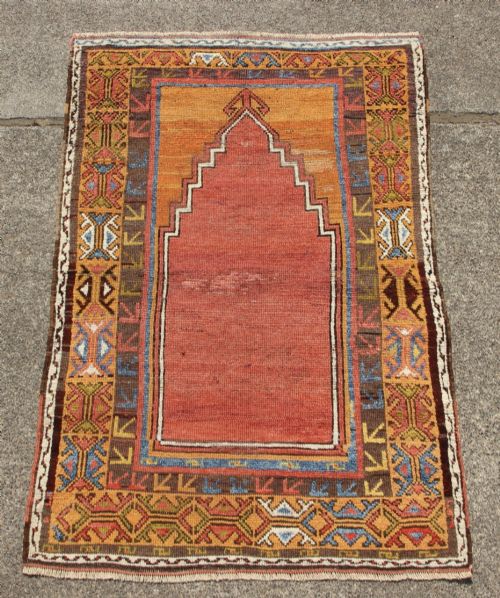


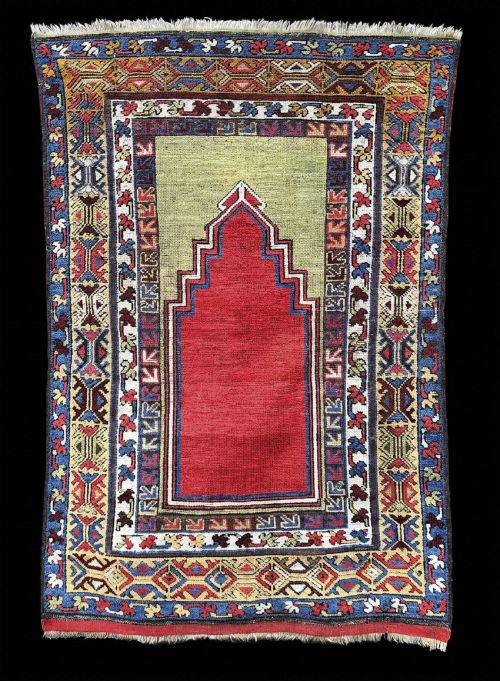


Konya Wool Rug
A konya wool rug brings the tactile warmth of Central Anatolia into a room through rich village weaving.
Konya Wool Rug
When you search for a konya wool rug, you examine traditional floor coverings originating from the Central Anatolia region of Turkey. These textiles include village prayer rugs, long runners, flatweave kilims, and small yastic cushions woven across the nineteenth and early twentieth centuries.
The most common examples encountered on this page date from the mid-nineteenth century to around nineteen twenty. Village weavers produced these pieces using regional designs, often featuring structured prayer mihrabs or tribal motifs rooted in Anatolian heritage.
How they were made
Weavers constructed these pieces utilising hand-spun wool and occasional camel wool for the pile, foundations, and flatweave sections. Vegetable dyes provided the palette, producing soft and muted tones across the fields.
Production methods involved traditional knotting and flatweave techniques, sometimes incorporating embroidery panels or kilim structures. These materials and methods created durable textiles designed for domestic use and wall hanging.
Konya Wool Rug Retail Price Guide 2026
Typical asking prices for konya wool rug among the pieces listed under this phrase on Sellingantiques today, from the lower quarter to the upper quarter. They describe what is for sale here now, not the wider market.
Listings feature wool, cotton, and camel wool materials combined with vegetable dyes across pieces dated from eighteen hundred to nineteen twenty.
What varies in quality
The sophistication of the vegetable dye palette and the clarity of the traditional design distinguish different pieces. Subtle shifts in colour and balanced proportions indicate greater care in the workshop or village.
Material selection also plays a role, with hand-spun wool and camel wool offering distinct textures and longevity. The finesse of the weave, whether in a piled prayer rug or a flatweave kilim, dictates the overall character.
The Konya Wool Rug Glossary
- Prayer rug
- A textile featuring a mihrab niche design intended to direct the placement of the head during daily prayers. These rugs often display architectural arches and central motifs.
- Kilim
- A flatweave textile produced without a piled surface by tightly interweaving warp and weft threads. These pieces offer geometric patterns and lighter structures.
- Yastic
- A small Turkish cushion or pillow cover traditionally used in domestic interiors. They share the same wool materials and tribal designs as larger floor coverings.
- Camel wool
- Natural animal fibre utilised in specific village rugs for its unique colour and soft handle. It provides an un-dyed grounding in various fields.
- Vegetable dye
- Natural colouring agents derived from plants and roots used to colour wool yarns. These dyes yield the soft hues seen in nineteenth-century Anatolian textiles.
Konya Wool Rug: Frequently Asked Questions
What is a konya wool rug?
A konya wool rug is a traditional hand-woven textile originating from the Central Anatolian region of Turkey, spanning the nineteenth and early twentieth centuries. These pieces encompass village prayer rugs, runners, and flatweaves.
Weavers utilised local wool and vegetable dyes to create distinctive tribal and classical designs that reflect the heritage of the region.
How do I identify a prayer rug?
Prayer rugs are distinguished by a prominent mihrab niche design at one end, which mimics the architectural arch of a mosque. This focal point directed the user during daily prayer.
These pieces often feature specific central motifs and balanced borders set within an ivory or coloured field.
What is the difference between a rug and a kilim?
A standard rug possesses a dense piled surface created by knotting wool yarn onto a cotton or wool foundation. This provides thickness and plush texture underfoot.
A kilim is a flatweave textile made by tightly interweaving warp and weft threads without any pile. This results in a thinner, lighter structure with flat geometric patterns.
How do I care for an antique rug?
Protect an antique textile by placing it in a low-traffic area away from direct sunlight to preserve the vegetable dyes. Regular gentle vacuuming without a rotating brush maintains the wool pile.
Professional cleaning suited for antique Anatolian wool ensures the longevity of the natural fibres and structural integrity.