


Kitchen Spindle Chairs
Kitchen spindle chairs are utilitarian seating built for everyday domestic labour, bringing honest vernacular form and sturdy timber construction into modern interiors.
Kitchen Spindle Chairs
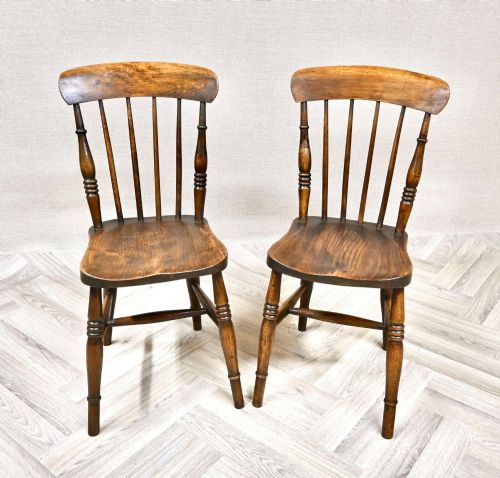
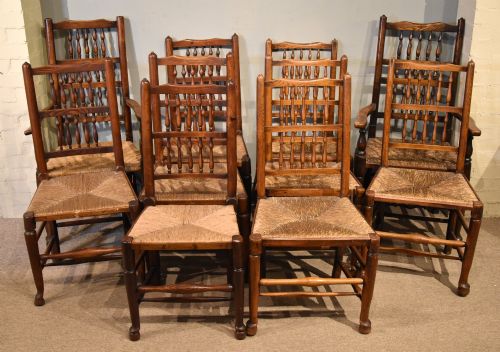
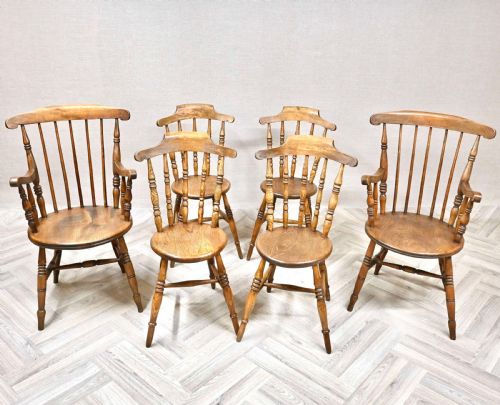
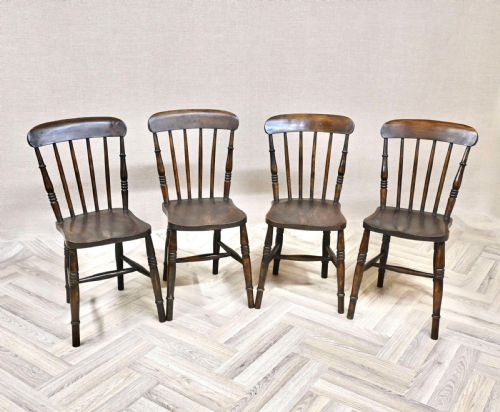
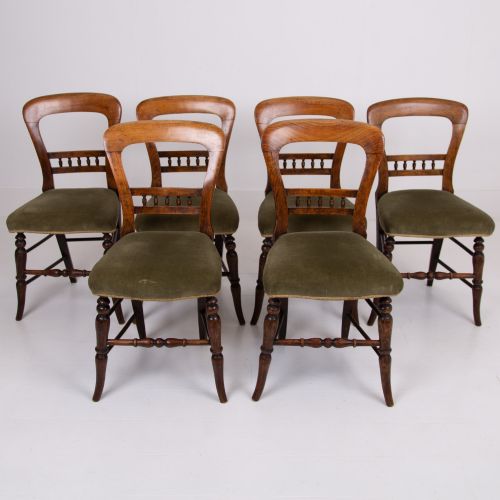
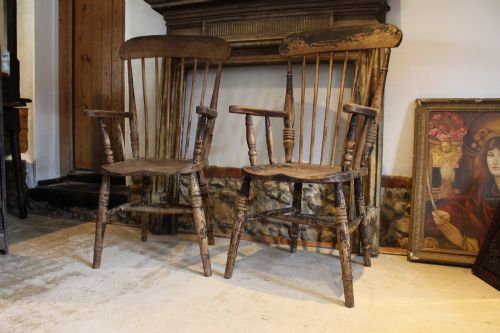
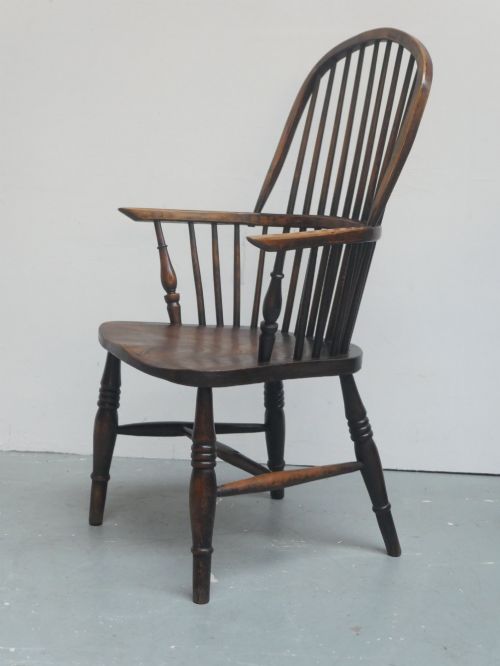
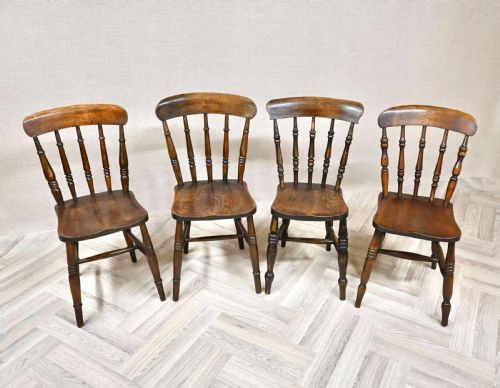
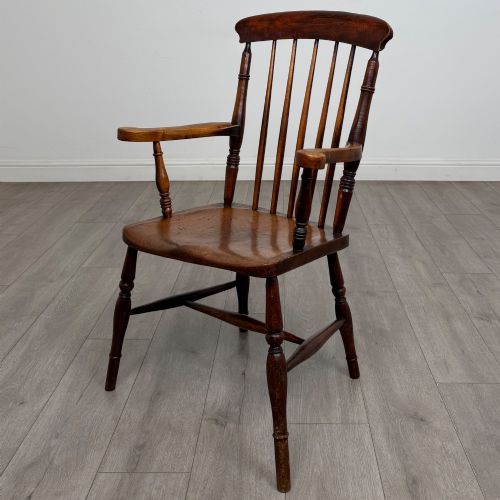
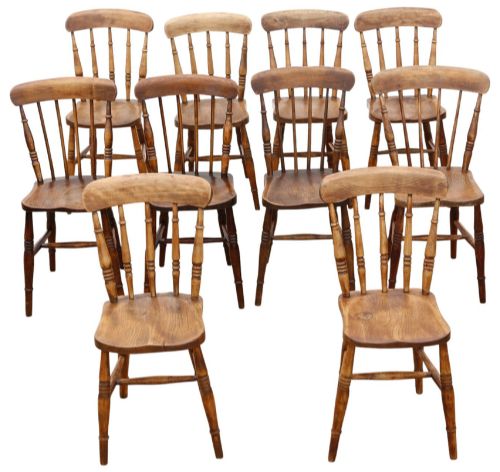
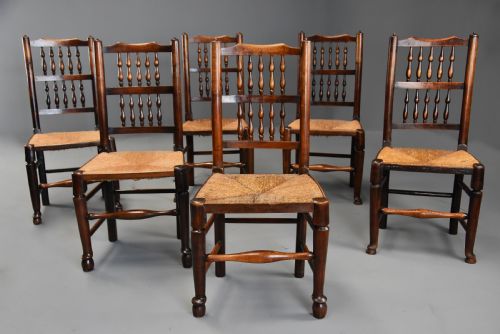
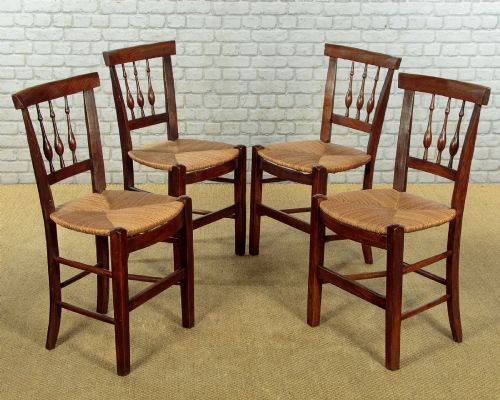
When buyers search for kitchen spindle chairs, they encounter robust domestic seating produced across the nineteenth and early twentieth centuries. These pieces encompass dining chairs, carver armchairs, side chairs, rocking chairs, and benches originating from English, Scottish, Shropshire, and Lancashire workshops.
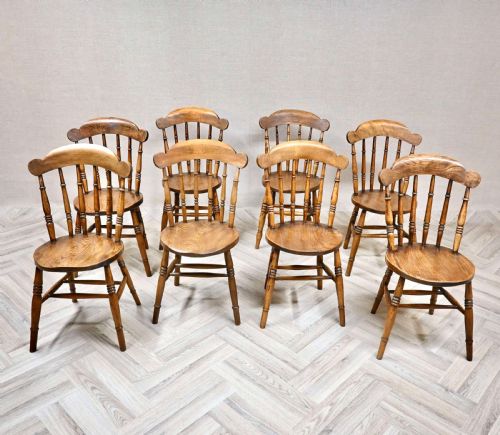
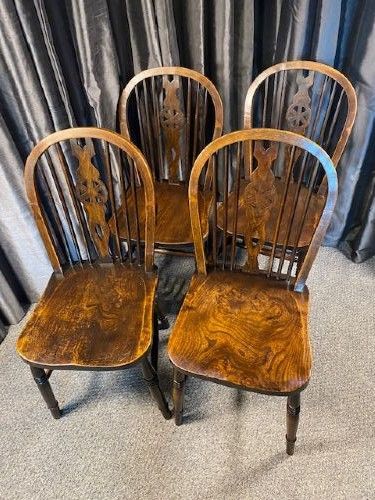
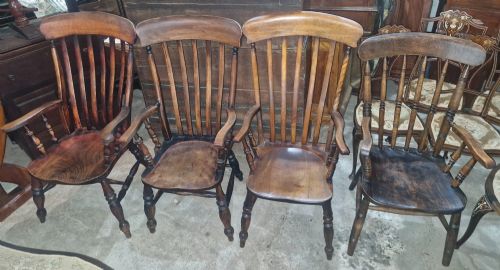
The most common versions met on this page are nineteenth-century Windsor chairs and stickbacks constructed from mixed native timbers. They appear both as single pieces and in matched or harlequin sets suited for daily use around a farmhouse table.
How they were made
Maker-joiners utilised locally sourced woods such as elm for solid, sculpted seats, beech for turned legs and spindles, and ash or oak for bent parts like bows and crest rails. This combination harnessed the specific structural strengths of each timber.
Turned components were shaped on lathes, while steam-bending techniques formed the characteristic curved backs. Saddled seats were hollowed out using adzes and scorps to provide comfortable seating without upholstery.
Kitchen Spindle Chairs Retail Price Guide 2026
Typical asking prices for kitchen spindle chairs among the pieces listed under this phrase on Sellingantiques today, from the lower quarter to the upper quarter. They describe what is for sale here now, not the wider market.
Many nineteenth-century kitchen chairs still bear faint pencil marks underneath their seats where rural joiners tallied their daily piecework.
What varies in quality
The calibre of a piece depends heavily on the crispness of the spindle turnings and the depth of the saddle shaping in the solid wood seat. Superior examples retain tight joints and a pleasing timber patina built up through decades of regular use and polishing.
Construction methods also distinguish finer specimens, such as those employing proper wedged through-tenons for the legs rather than simpler face-glued joints. Sets displaying uniform proportions and matched grain patterns command greater attention than hastily assembled harlequin groupings.
The Kitchen Spindle Chairs Glossary
- Windsor chair
- A wooden chair built with a heavy solid timber seat into which the legs and back spindles are tenoned directly. This method provides immense structural rigidity without needing a traditional frame.
- Penny seat
- A saddle-shaped wooden seat base bearing a circular depression resembling an old coin, hand-carved to improve seating comfort. This ergonomic shaping is typical of nineteenth-century vernacular seating.
- Harlequin set
- A collection of dining or kitchen chairs that share a general style, period, or material but differ slightly in minor decorative details. These groupings were often assembled over time from individual pieces.
- Comb back
- A Windsor chair variation where the tall spindle back is topped by a low horizontal headrest piece resembling a traditional hair comb. The projecting spindles pass right through this top rail.
- Stickback
- A simplified vernacular chair design where straight or slightly bent wooden rods form the back rest instead of a shaped solid splat. They offer a clean, linear aesthetic found in rural households.
Kitchen Spindle Chairs: Frequently Asked Questions
What defines a kitchen spindle chair?
These chairs are defined by their sturdy wooden construction, utilising turned spindles arranged vertically to form the backrest. They rely on vernacular building traditions rather than courtly furniture styles.
Built primarily for utility in domestic spaces, they feature solid wood seats and exposed joinery that prioritises durability over ornamentation.
How do I care for antique timber chairs?
Keep wooden chairs away from direct heat sources and sudden temperature changes to prevent the timbers from drying out and splitting. Natural wax polishes applied sparingly help maintain the surface sheen.
Check the joints periodically for movement, as dry indoor air can cause the wedges in tenoned legs to loosen over many years of use.
Were these chairs used only in kitchens?
While originally designed for hardworking farmhouses and domestic kitchens, their robust nature saw them utilised in cottages, dining rooms, and fireside settings. Armchair versions often served as desk or reading seats.
Their plain utility made them adaptable to almost any room where durable, unpretentious seating was required.
How do I distinguish regional chair styles?
Regional variations often appear in the turning patterns of the legs and the shaping of the back bow. Thames Valley pieces, for instance, display distinct refinements compared to Lancashire rush-seated ladders or Scottish armchairs.
Examining the primary timbers used, such as regional preferences for ash or beech, also offers clues to a chair's geographical origins.