

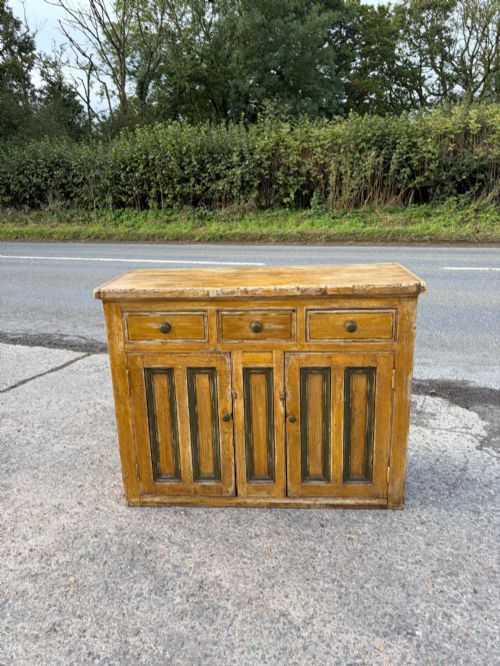
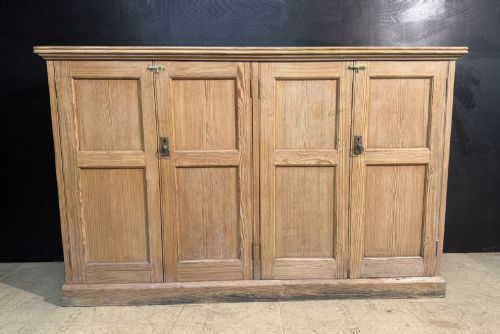

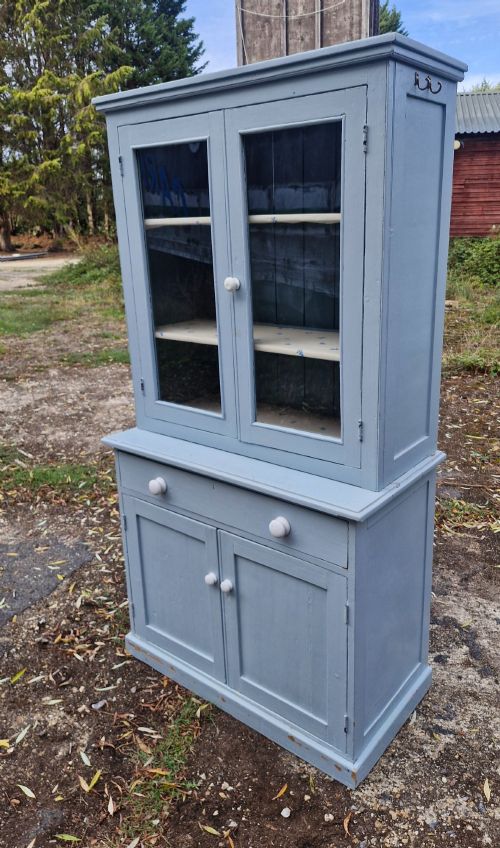

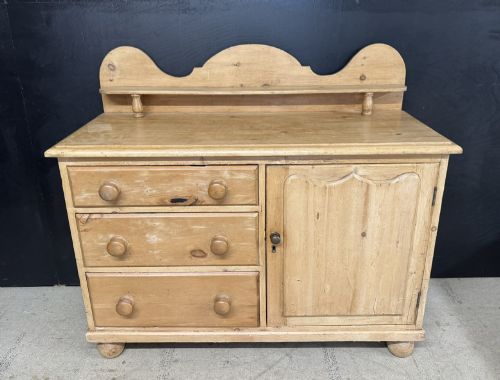


Kitchen Dresser Unit
A kitchen dresser unit brings practical storage and honest country character to the heart of the home.
Kitchen Dresser Unit
A kitchen dresser unit combines base storage cupboards with upper shelving or display racks, serving as the traditional hardworking storage centre of the domestic interior.
The versions encountered on this page span several centuries, with robust pine and sturdy oak forming the backbone of the selection from Georgian and Victorian country houses.
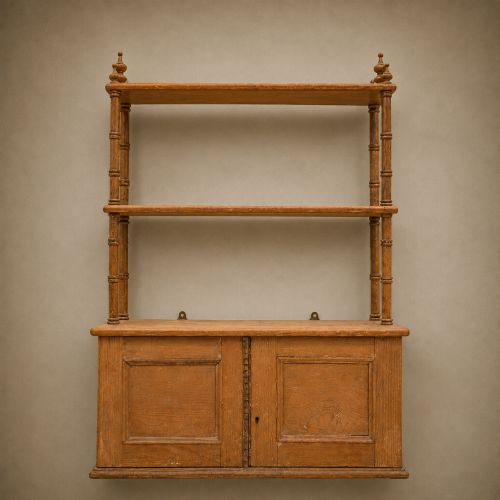
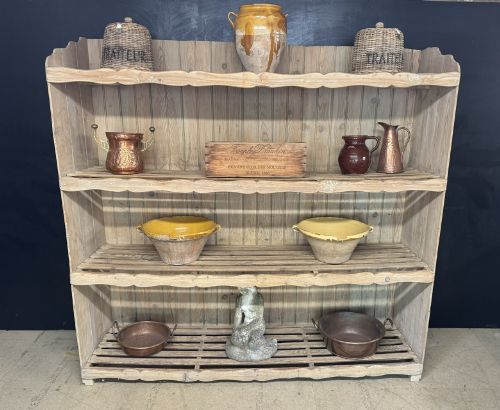
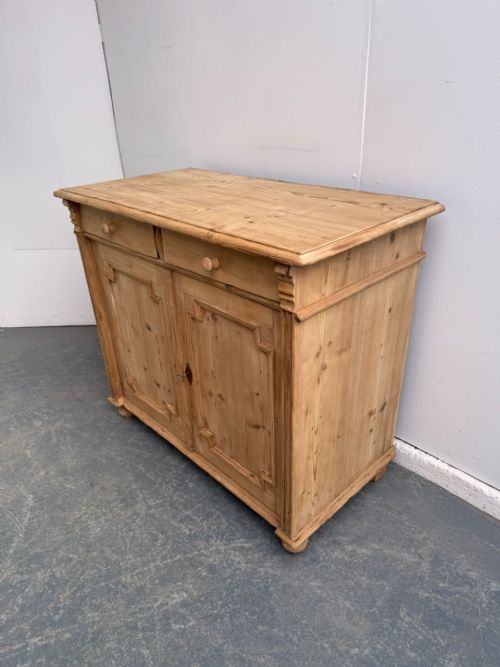
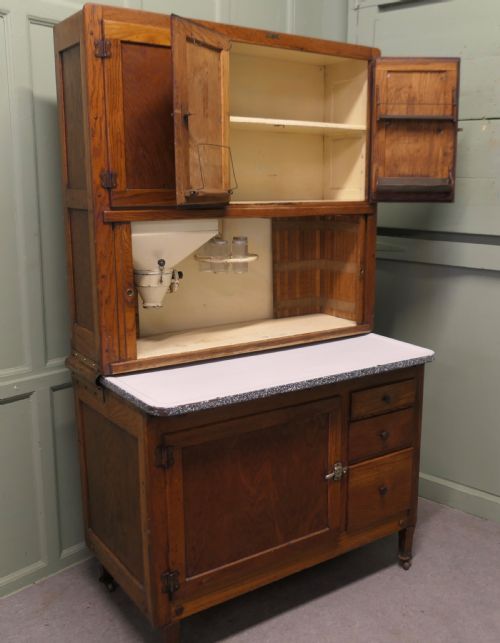
Forms range from tall multi-part dressers with plate racks and housekeepers cupboards to compact dresser bases, wall shelves, and French provincial buffets.
Indicators of quality
Proportion and scale dictate the visual success of a piece, with well-balanced heights and depths marking out superior examples from more utilitarian workshop efforts.
Construction methods, such as traditional jointing and the retention of original timber backs and hardware, separate fine cabinet work from simpler provincial joinery.
Kitchen Dresser Unit Retail Price Guide 2026
Typical asking prices for kitchen dresser unit among the pieces listed under this phrase on Sellingantiques today, from the lower quarter to the upper quarter. They describe what is for sale here now, not the wider market.
Listings feature pine and oak constructions spanning from the eighteenth century through the Victorian era into early twentieth-century designs.
Hudson Bros
The Kitchen Dresser Unit Glossary
- Dresser base
- The lower section of a dresser featuring drawers and cupboards without the upper plate rack. This form provides a substantial low sideboard surface for food preparation or display.
- Housekeepers cupboard
- A large tall storage cupboard designed for linen, dry goods, and household provisions. These pieces often feature multiple doors and internal shelving.
- Plate rack
- The open upper shelving unit attached to a dresser designed to display ceramic plates upright. Slatted rails keep crockery secure during daily use.
- French provincial
- A regional style originating from French rural areas combining rustic utility with subtle decorative carving. Walnut and fruitwoods frequently appear in these pieces.
- Arts and crafts
- A design movement emphasising handcraftsmanship, simple structural forms, and local materials. Pieces from this tradition avoid excessive ornamentation in favour of honest construction.
Kitchen Dresser Unit: Frequently Asked Questions
How do I date an old dresser?
Dating a dresser involves examining the timber species, construction techniques, and hardware used in its assembly. Hand-cut dovetails and older fastener types point towards earlier centuries.
Stylistic cues such as Georgian proportions or Arts and Crafts simplicity also help narrow down the period of manufacture. Secondary woods used at the back of the piece offer further clues to its origins.
Can I use a dresser base in a modern kitchen?
A dresser base fits easily into contemporary kitchens as a freestanding island alternative or a side preparation surface. The low cupboards provide concealed storage for heavy cookware and provisions.
Pairing the wooden top with modern appliances creates a balanced mix of old and new textures. Ensure the height matches standard working surfaces for comfortable daily use.
What is the difference between oak and pine dressers?
Oak dressers offer a denser, heavier build with prominent grain patterns suited to formal country and Georgian interiors. They handle hard daily wear with exceptional resilience.
Pine dressers provide a lighter aesthetic that often carries painted finishes or softer waxed patinas. These pieces typically originate from Victorian country houses and provincial farmhouses.