
Kitchen Carver Chair
A kitchen carver chair brings honest vernacular craftsmanship and robust timber construction straight from the farmhouse into the modern interior.
Kitchen Carver Chair
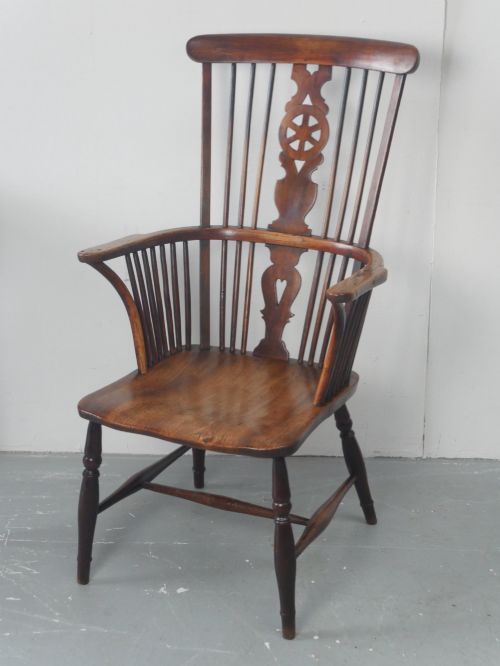
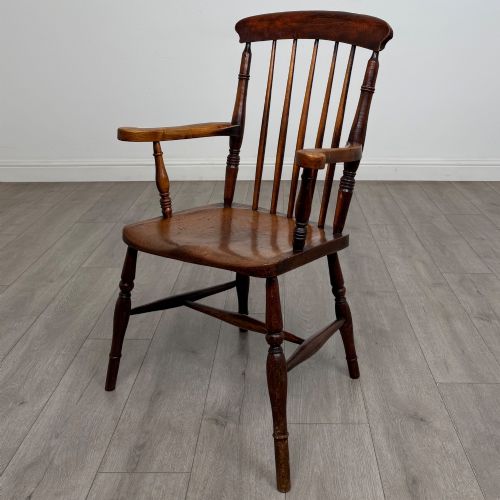
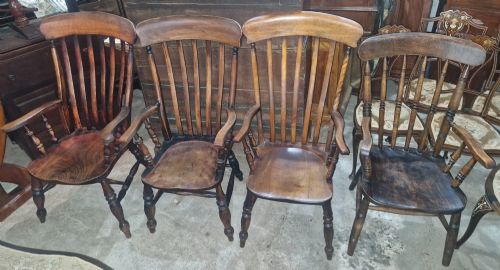
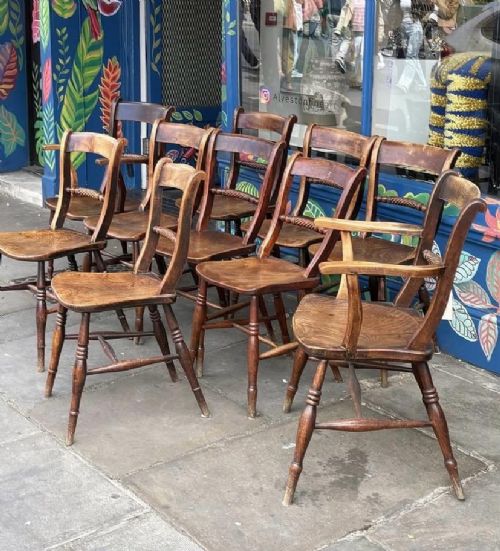
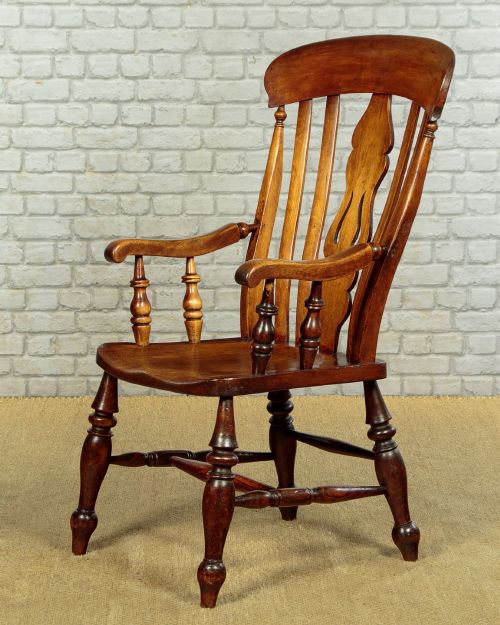
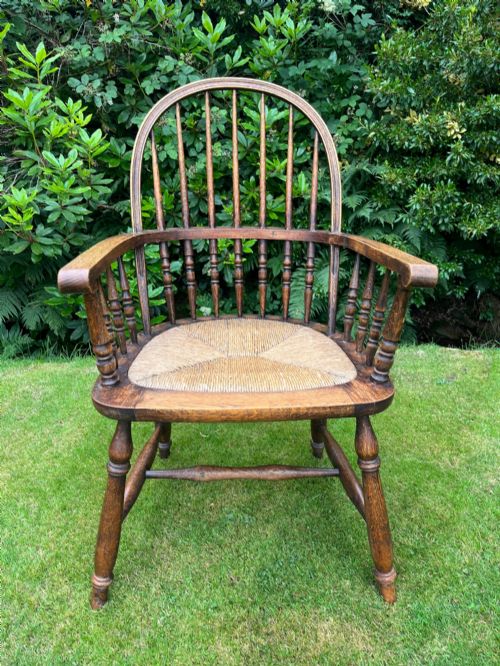
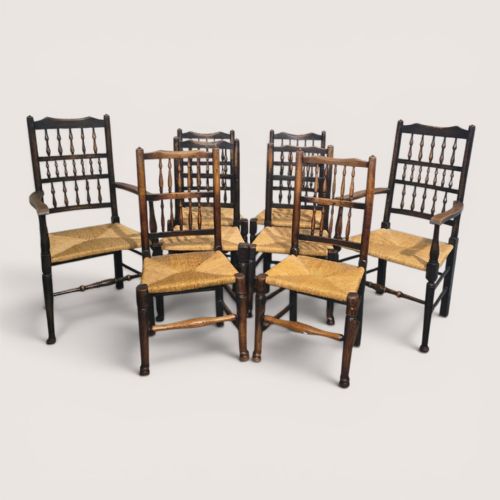
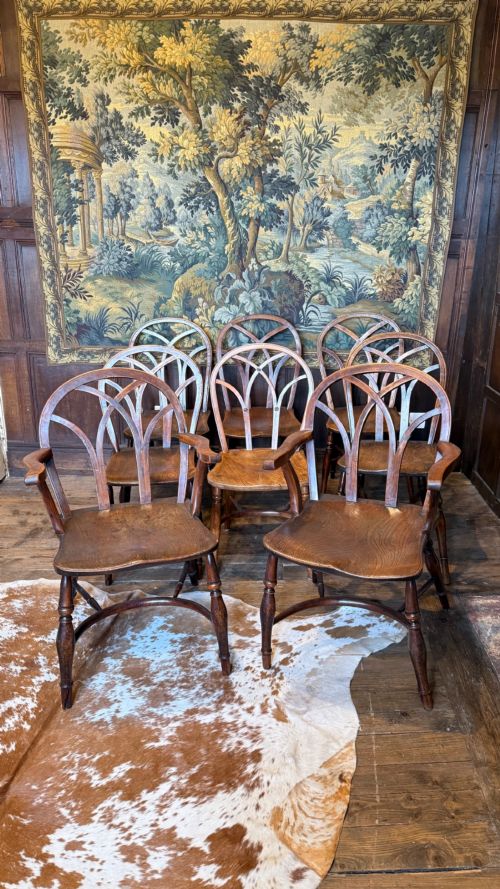
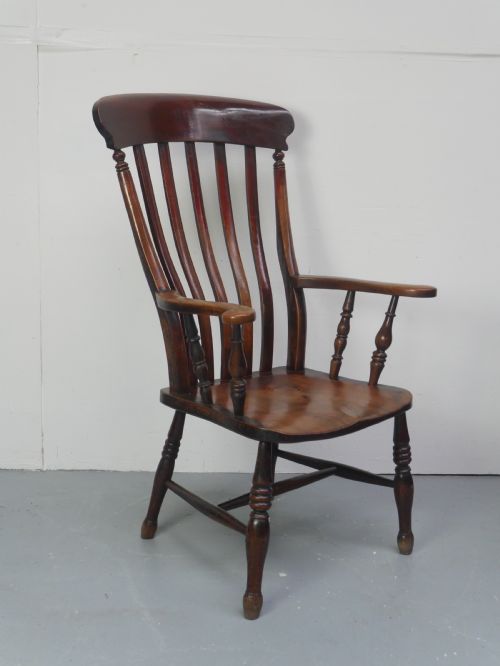
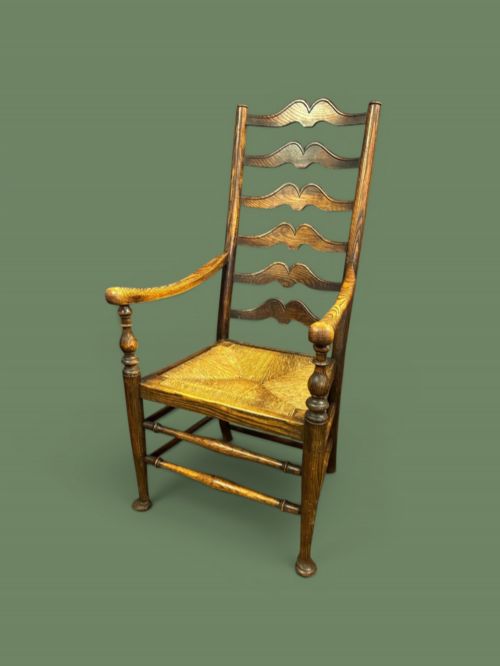
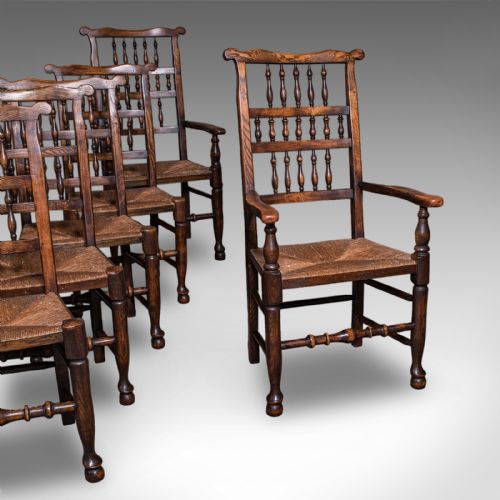
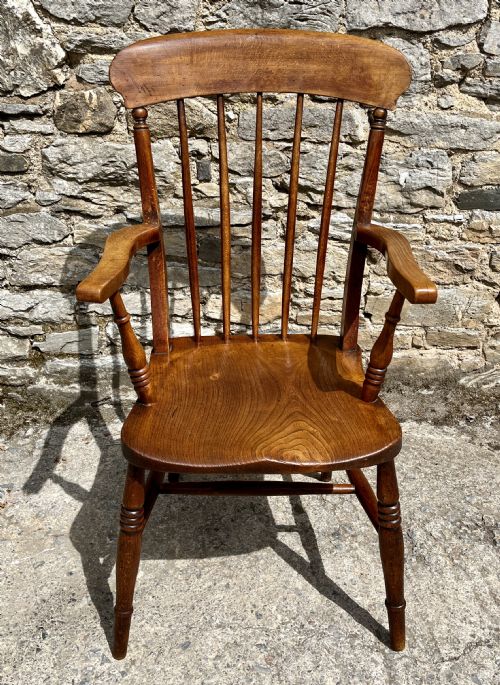
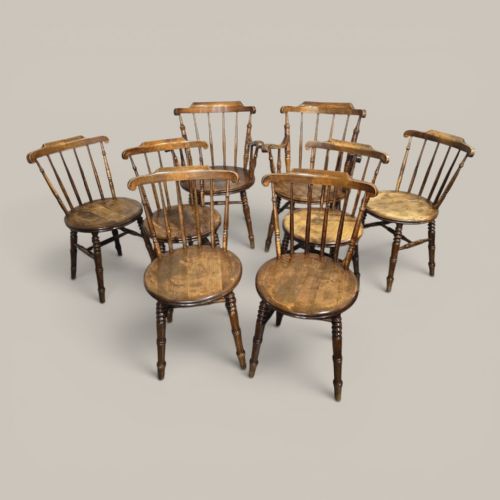
The kitchen carver chair encompasses sturdy farmhouse seating designed for daily domestic utility, most commonly seen in Windsor, stick back, ladder back, and slat back forms originating across the nineteenth and early twentieth centuries.
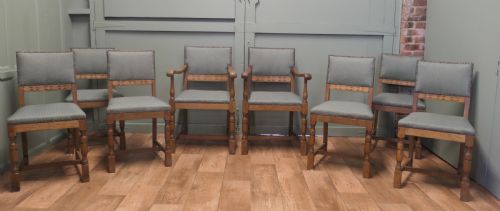
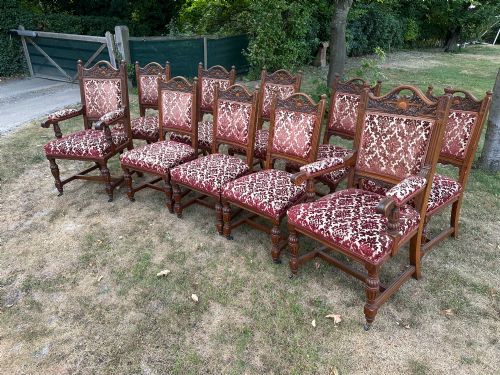
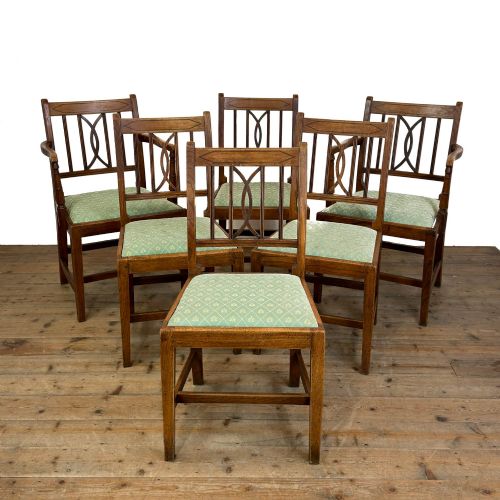
Buyers searching for this phrase encounter vernacular armchairs and carvers from Victorian, Edwardian, and earlier periods, often constructed as individual statements or matched pairs within larger dining sets.
Rooted in English country traditions alongside French provincial styles, these armchairs combine wide timber seats with supportive armrests built for practical endurance in domestic spaces.
Materials and construction
Maker traditions relied on combining strong native timbers, pairing elm seats with ash or beech spindles and bending elements, occasionally incorporating oak for solid frames and sturdy ladder backs.
Constructed using traditional joinery methods, these pieces frequently feature turned wooden components, steam-bent backbows, and pegged joints to secure the arms and legs directly into the solid wooden seat.
Seating surfaces utilise solid carved timber or woven rush inserts, supported by structural details such as crinoline stretchers for added rigidity.
Some nineteenth-century makers built crinoline stretchers curved outward specifically to accommodate wide Victorian skirts.
Distinctions in quality
Quality rests in the selection and integration of timbers, where dense grain matching between elm seats and turned beech or ash superstructures denotes superior regional carpentry.
The integrity of the original joints, the retention of patinated surfaces, and the subtlety of the spindle turnings separate standard utility seating from finer country examples.
The Kitchen Carver Chair Glossary
- Carver
- An armchair designed with armrests, historically placed at the head of a dining table. These pieces match side chairs in a set while providing larger dimensions.
- Windsor
- A chair built with a solid wooden seat into which the legs and back spindles are directly wedged and bored. This method creates a resilient, unified frame.
- Crinoline stretcher
- A curved under-stretcher linking the legs of a chair to provide structural stability. It takes its name from the hooped fashion of the nineteenth century.
- Rush
- Dried marsh grass twisted into cords and hand-woven to form a durable seating surface. It appears frequently on ladder back country chairs.
- Stick back
- A chair design featuring plain, un-turned vertical spindles supporting the backrail. This vernacular style prioritises straightforward utility over ornamentation.
Kitchen Carver Chair: Frequently Asked Questions
Where should I place a kitchen carver chair?
These armchairs suit the heads of farmhouse dining tables or function well as standalone reading seats in hallways and studies.
Their robust timber construction allows them to handle regular daily use while adding rustic character to modern or traditional rooms.
How do I care for antique wooden chairs?
Keep timber seating away from direct heat sources and sudden temperature shifts to prevent the wood from drying out or splitting.
Apply a natural wax polish occasionally to nourish the surface and preserve the historic patina built up over generations.
Are these chairs comfortable for daily seating?
The saddle-shaped solid elm seats and supportive spindle or lath backs provide ergonomic support designed for prolonged everyday use.
Adding a loose fabric cushion can further increase comfort during longer meals or gatherings around the table.