

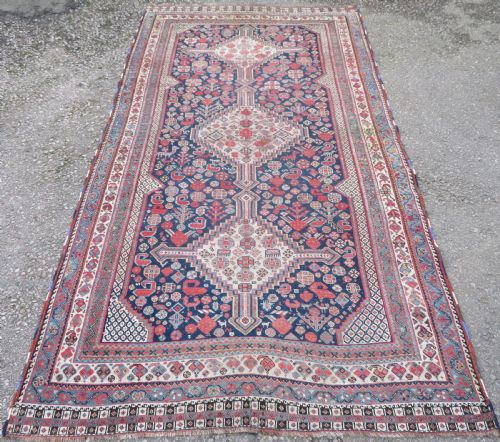
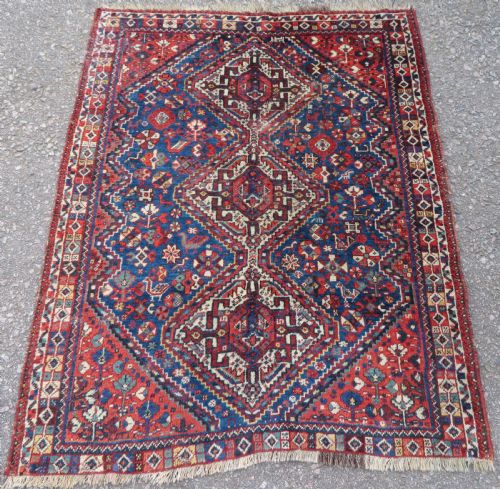

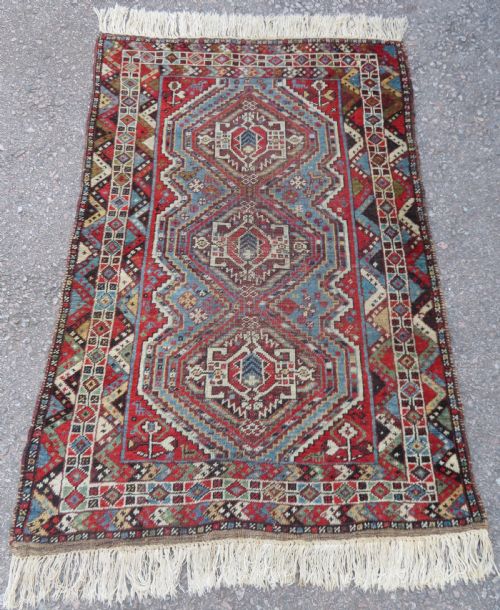
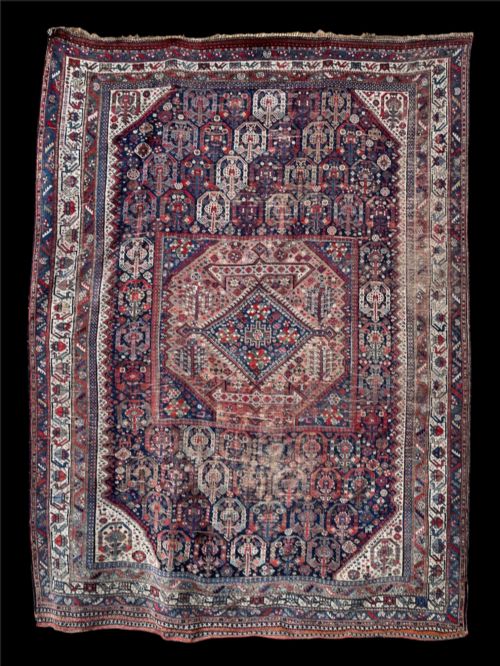

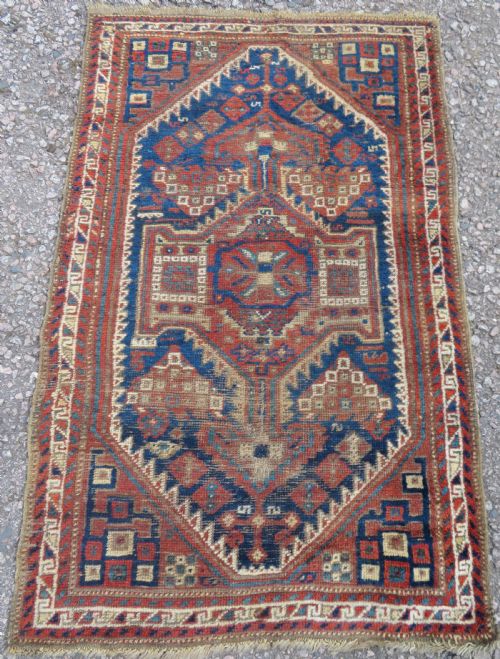
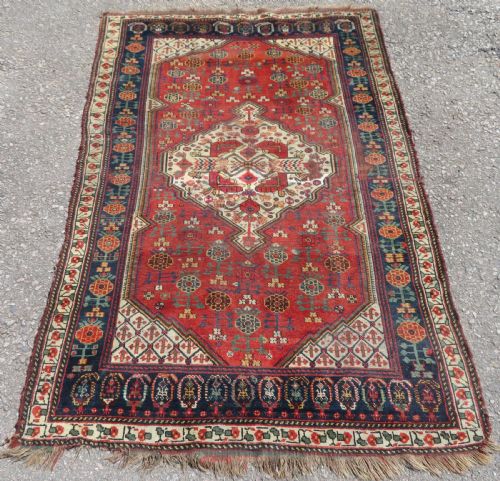
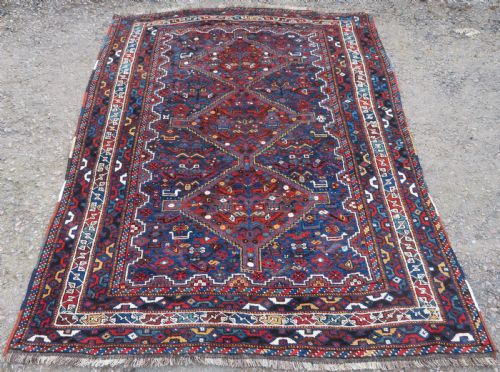


Khamseh Wool Carpet
When you examine a khamseh wool carpet, you hold a tangible piece of South Persian nomadic heritage woven by confederated tribes.
Khamseh Wool Carpet
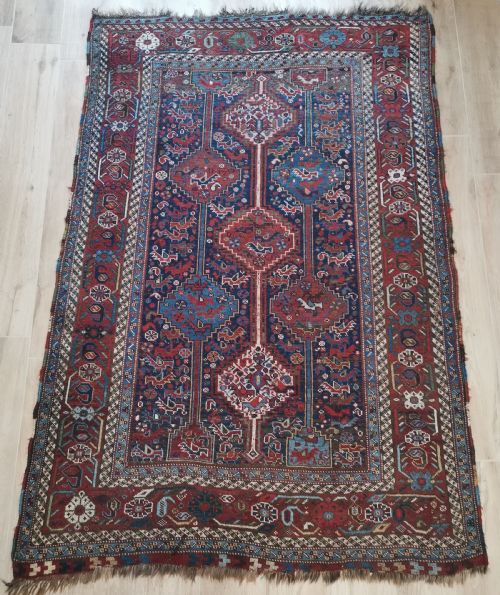
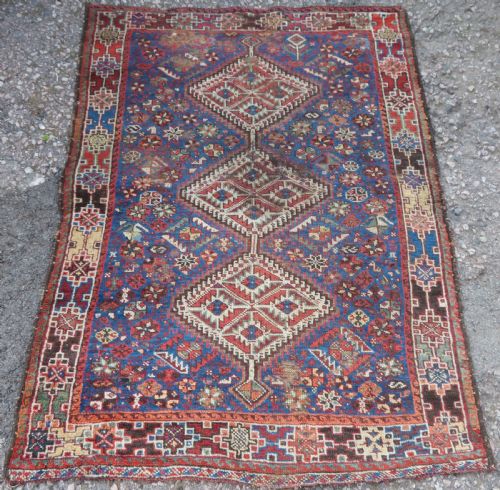
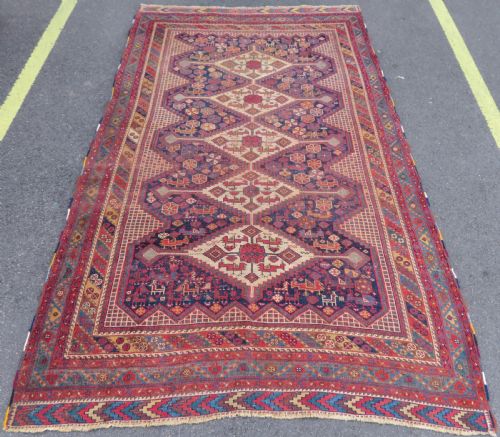
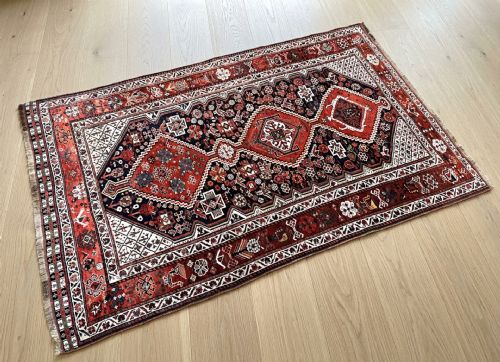
A khamseh wool carpet represents the weaving traditions of the Khamseh confederacy from South-West Persia, encompassing groups such as the Arab, Baharlu, Basseri, and Arab-Jabbareh tribes. Buyers searching for this phrase encounter pieces that span from the late nineteenth century into the early twentieth century, reflecting distinct tribal motifs and regional designs.
The most common forms seen on this page are tribal rugs and larger carpets featuring characteristic patterns like the Morghi chicken, pomegranate designs, and intricate geometric layouts. These floor coverings bridge nomadic utility with artistic storytelling, often displaying connections to neighbouring groups like the Qashqai and Luri tribes.
What Varies in Quality
Quality in these textiles often relates to the fineness of the weave and the clarity of the tribal iconography, distinguishing standard utility pieces from major confederacy carpets. Tighter knot counts and well-preserved structural edges contribute significantly to a carpet's durability and visual impact.
The vibrancy and complexity of the natural dye palette also determine grading, as certain combinations of motifs - such as specific bird or khan figures - exhibit superior artisanal execution and design confidence.
Khamseh Wool Carpet Retail Price Guide 2026
Typical asking prices for khamseh wool carpet among the pieces listed under this phrase on Sellingantiques today, from the lower quarter to the upper quarter. They describe what is for sale here now, not the wider market.
Listings span a chronological range from the 1870s to the 1920s, dominated by nineteenth-century examples.
The Khamseh Wool Carpet Glossary
- Confederacy
- A union of independent tribes grouping together for mutual security and administrative purposes. In weaving terms, this brings diverse design vocabularies into shared workshops or domestic production.
- Morghi
- A Persian term relating to chicken or bird motifs often repeated across tribal carpets. These whimsical patterns hold symbolic meanings within the weaving traditions of the region.
- Kelleh
- A long, narrow format of carpet traditionally suited to specific architectural spaces within nomadic tents or Persian houses. This rectangular proportion differs from square room-size carpets.
- Foundation
- The underlying structure of warp and weft threads that support the knotted pile. In these rugs, foundations typically consist of cotton or wool.
- Natural Dyes
- Colourants derived from plants, insects, and minerals rather than synthetic compounds. They yield subtle tonal variations that mature gracefully over time.
Khamseh Wool Carpet: Frequently Asked Questions
How do I identify a Khamseh rug?
Look for distinctive tribal motifs such as geometric birds, pomegranates, or tree of life patterns woven in rich wool on a cotton or wool foundation. These textiles often originate from South-West Persia and display deep connections to the Arab and Basseri tribes.
The palette and handle of the hand-spun wool further distinguish these pieces from other Persian regional weaving styles. Examining the border arrangements, such as Shekarlu designs, provides additional clues to tribal origin.
Were these carpets used on floors?
Nomadic and village weavers produced these textiles primarily for practical domestic deployment as floor coverings and bedding within tribal households. Their durable construction suited the mobile lifestyle of the Khamseh confederacy.
Over decades, foot traffic naturally wears the pile, though many surviving examples retain substantial strength and integrity for modern interior use.
How should I care for a wool carpet?
Regular gentle vacuuming without a rotating brush roll prevents dust accumulation within the hand-spun wool pile. Professional cleaning suited to antique textiles preserves the natural dyes and foundation.
Positioning the rug away from direct, harsh sunlight prevents uneven fading of the natural colourants over extended periods.
What is a tribal carpet?
A tribal carpet is a textile woven by nomadic or semi-nomadic peoples for personal use, barter, or trade rather than commercial urban workshops. These pieces reflect the weaver's immediate environment, beliefs, and ancestral heritage.
Designs are usually committed to memory and passed down through families, resulting in charming irregularities and deeply personal artistic expressions.