

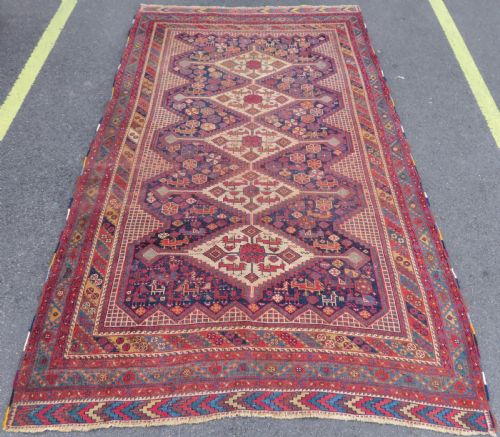


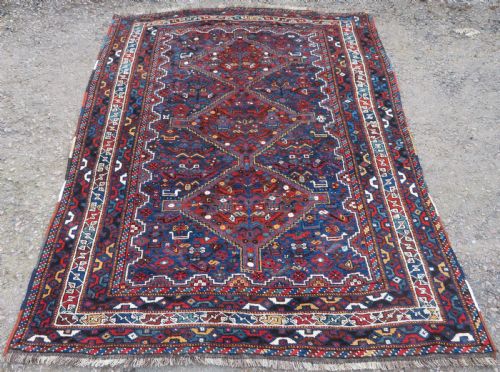


Khamseh Nomadic Carpet
A khamseh nomadic carpet brings the grounded artistry of South-West Persian confederations into a room, offering rich tribal patterns woven by pastoral weavers.
Khamseh Nomadic Carpet
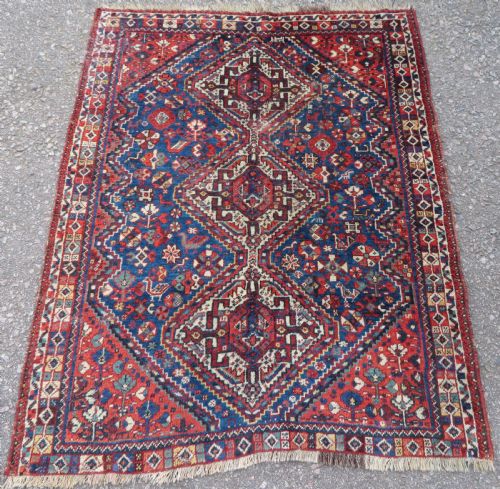
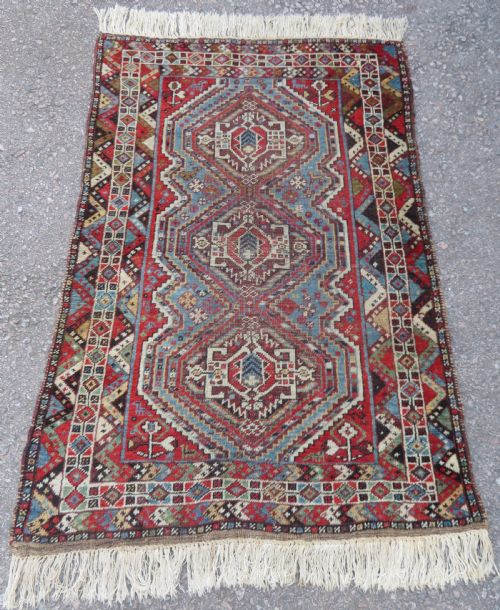
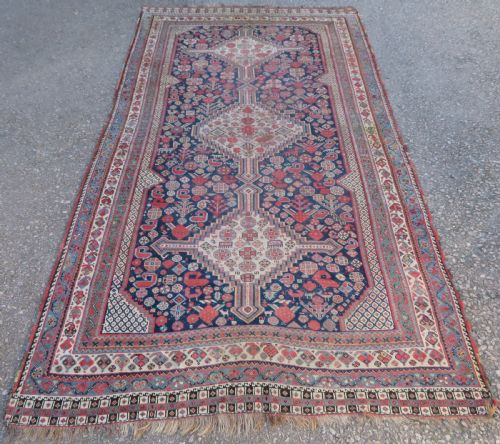
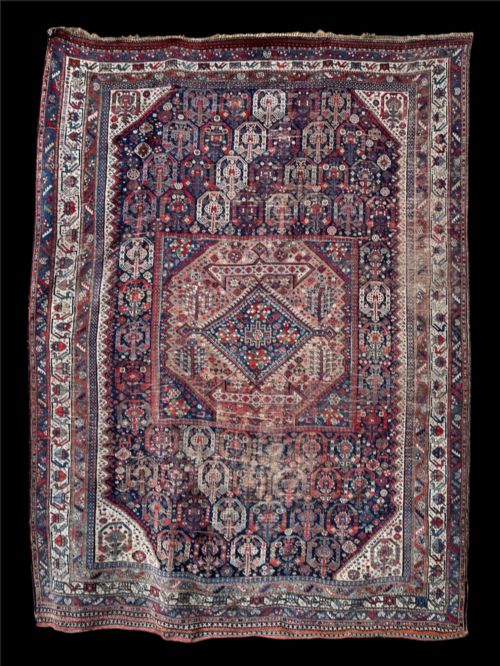
A khamseh nomadic carpet represents the weaving traditions of the Khamseh confederacy, a coalition of Arab, Basseri, and other tribes operating in the Fars province of South-West Persia. These pieces emerge primarily from the late nineteenth century up to the early twentieth century, spanning decades such as the eighteen-eighties and eighteen-nineties. Collectors encounter them grouped under styles including Persian tribal, South Persian nomadic, and Luri tribal.
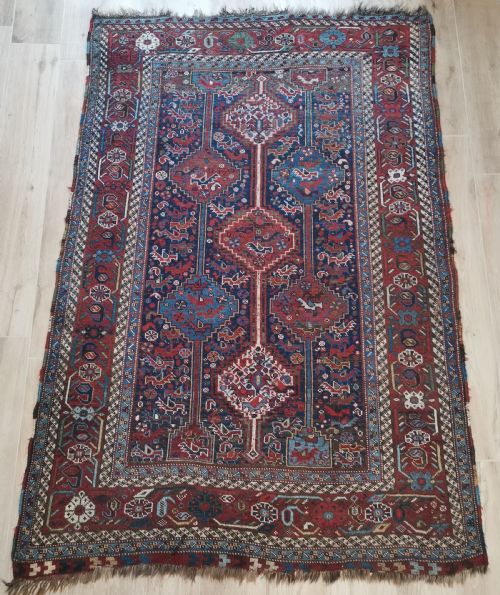
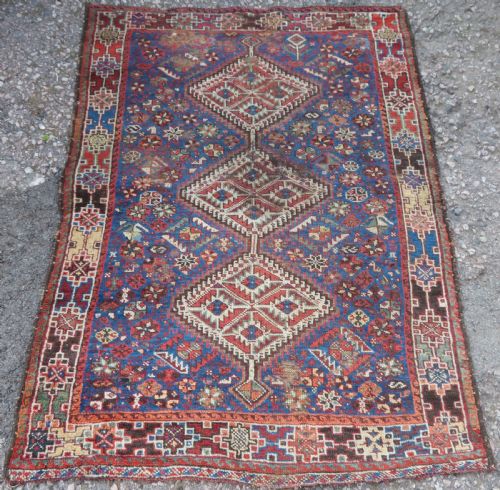
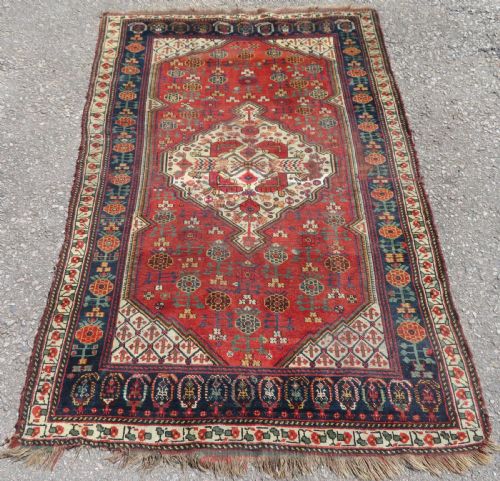
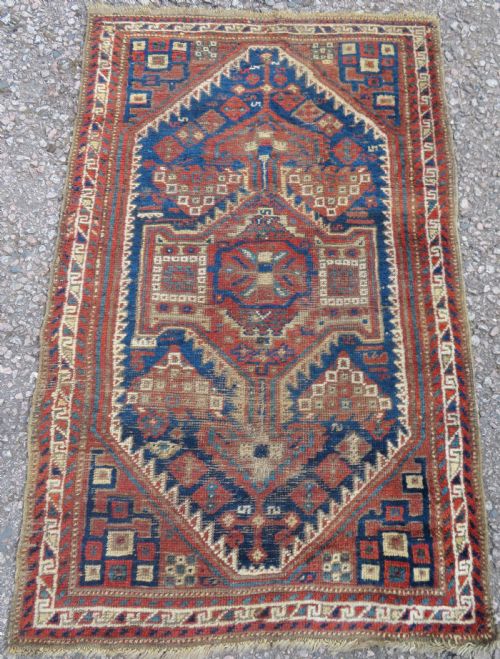
The format ranges from smaller area rugs and kelleh runners to substantial main carpets exceeding four metres in length. Common pictorial and geometric elements include tree of life designs, pomegranate motifs, peacock motifs, and animal figures such as pecking chickens. Sub-tribal identifiers like the Baharlu, Arab-Jabbareh, and Shekarlu occasionally define specific pieces within this tribal group.
Materials and Construction
Weavers utilised hand-spun wool for the pile, providing a dense and durable surface that absorbs natural dyes with deep variation. Foundation threads typically consist of cotton or wool, supporting the hand-woven structure of each carpet.
The application of natural dyes yields vibrant colour palettes that age gracefully over time. Skilled hands knotted these woollen piles by utilising traditional tribal techniques passed down through generations in South-West Persia.
Eagle-eyed observers will spot cheeky pecking chickens woven directly into the wool alongside more traditional tribal motifs.
Assessing Quality and Execution
Knot density and structural integrity distinguish exceptional examples from simpler tribal utility pieces, affecting how crisply the geometric or animal motifs resolve. The handled condition of the wool pile and foundation dictates the remaining longevity of the textile.
The richness and complexity of the natural dye palette contribute significantly to visual depth. Pieces retaining clear sub-tribal attributions or uncommon pictorial elements like birds and animals command greater scholarly and decorative interest.
Baharlu Sub Tribe·Arab Jabbareh Tribe·Lur Tribes Of Luristan
The Khamseh Nomadic Carpet Glossary
- Kelleh
- A long, narrow carpet format traditionally suited to specific room proportions in Persian domestic architecture.
- Main carpet
- A large floor covering produced for primary family use rather than smaller utilitarian purposes.
- Natural dye
- Colourants derived from plant, insect, or mineral sources rather than synthetic chemical laboratories.
- Hand-spun wool
- Yarn prepared manually with a drop spindle, resulting in irregular thickness that gives the woven surface a lively texture.
- Tribal
- Design attributes and weaving methods originating from nomadic or semi-nomadic confederations rather than urban workshops.
Khamseh Nomadic Carpet: Frequently Asked Questions
What is a khamseh nomadic carpet?
A khamseh nomadic carpet is a hand-woven textile created by the tribal confederations of South-West Persia during the nineteenth and early twentieth centuries. These rugs are known for wool construction and distinctive motifs.
They reflect the pastoral heritage of their makers, incorporating geometric patterns, animal figures, and rich natural dyes that characterise the region's tribal output.
How do I date a khamseh carpet?
Dating relies on examining the wool quality, dye composition, structural wear, and stylistic markers typical of nineteenth-century tribal weaving. Pieces from this era often display hand-spun wool and specific sub-tribal design traits.
Comparative analysis with documented examples helps narrow down the production period to decades such as the eighteen-eighties or eighteen-nineties.
How should I care for an antique rug?
Protecting an antique textile involves regular gentle vacuuming without a beater bar and keeping the piece away from direct, harsh sunlight to prevent dye fading. Professional antique rug cleaning is recommended every few years.
Using a quality underlay helps prevent slipping and reduces friction between the wool foundation and the hard floor beneath.
Where were these carpets made?
These carpets originated in the Fars province of South-West Persia, produced by various nomadic and semi-nomadic tribes within the Khamseh confederacy. The weavers lived and worked in pastoral environments.
Their local surroundings and tribal affiliations directly influenced the motifs, wool types, and dyeing traditions found in each finished rug.