

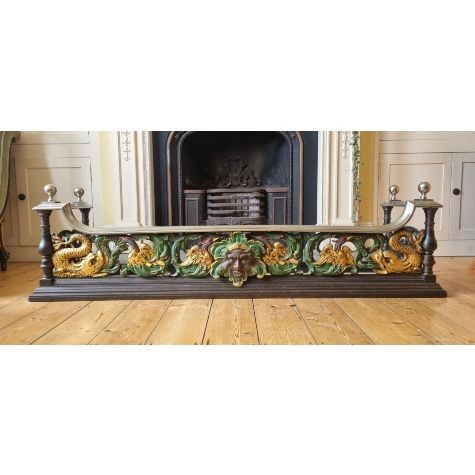
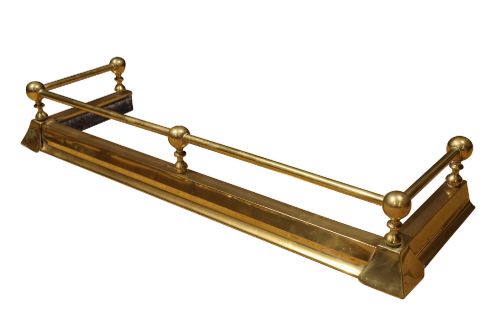
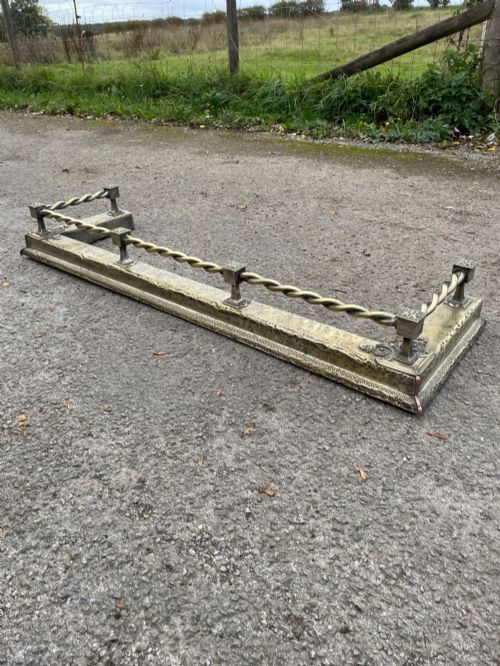
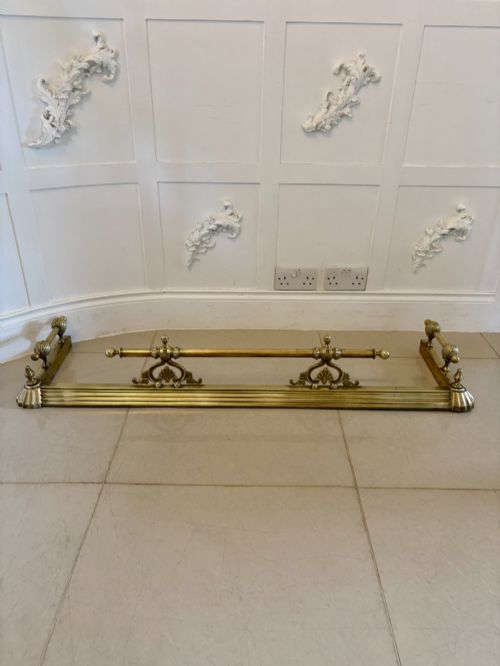
Kerb Fender
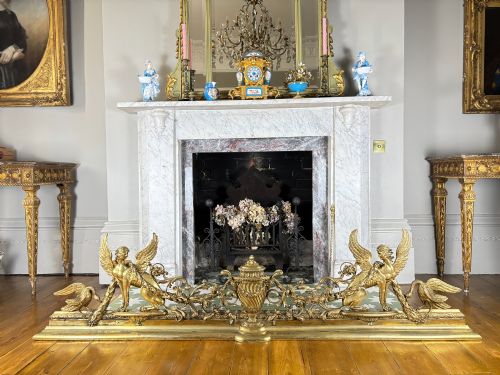
A kerb fender frames the hearth with metal and leather, holding back rogue embers while anchoring the room.
Kerb Fender
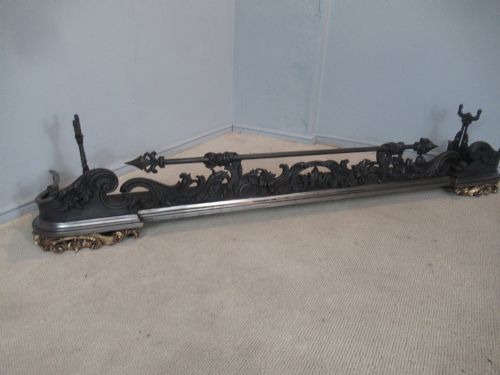
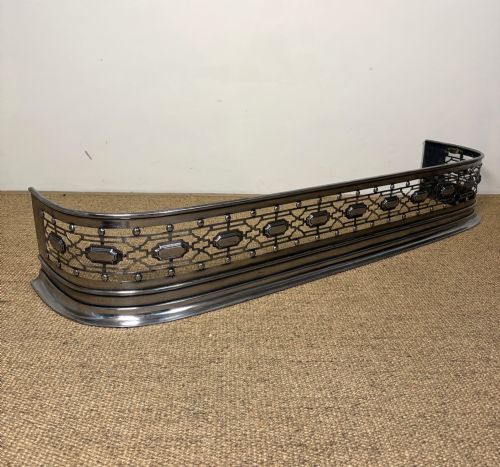
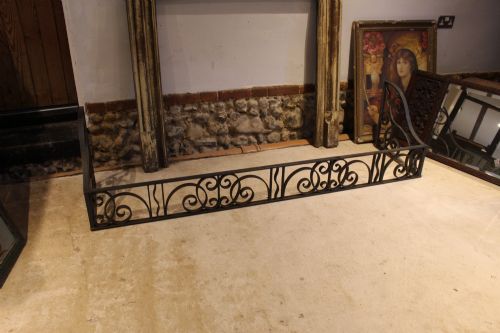
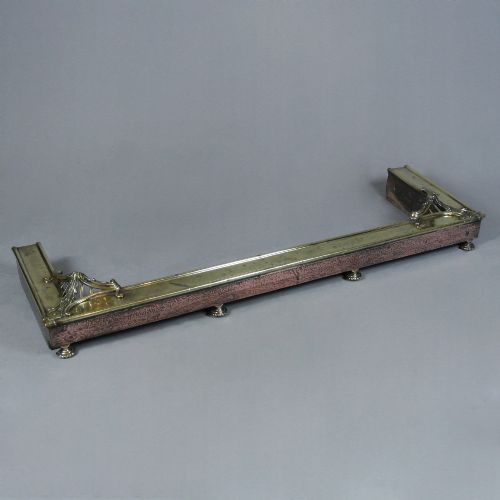
A kerb fender sits directly on the hearth around the fireplace opening, forming a low barrier between the fire and the floor. When you search for a kerb fender, you encounter functional guards designed to retain ash and sparks while completing the fireplace surround.
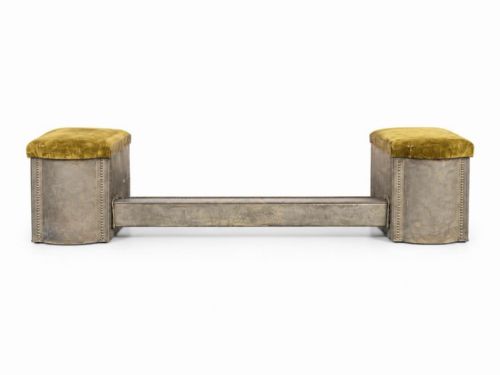
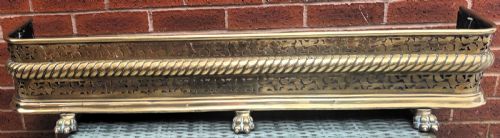
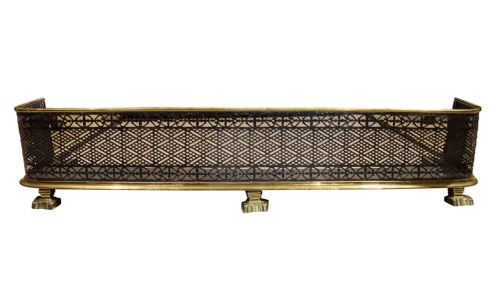
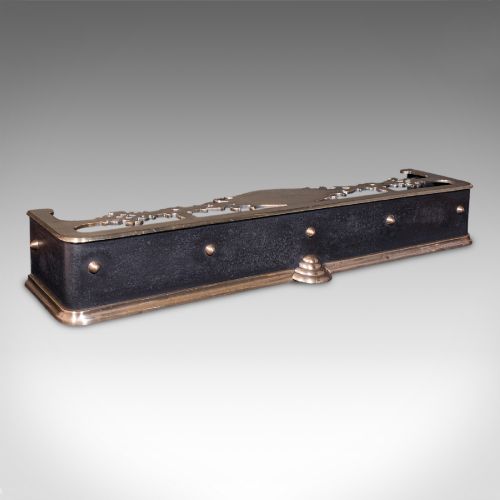
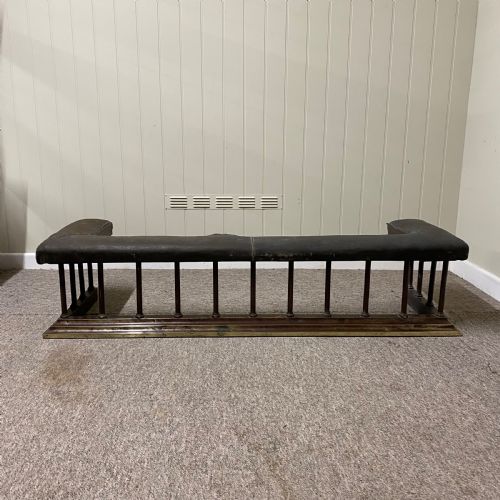
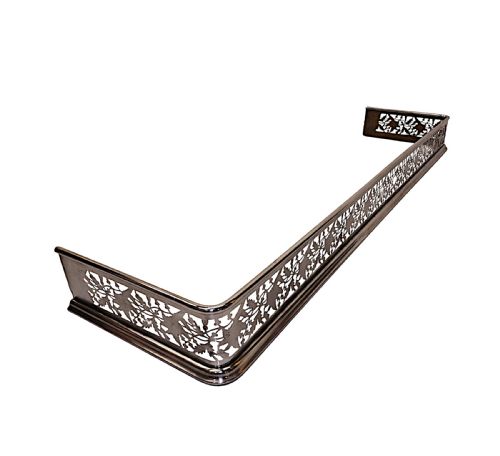
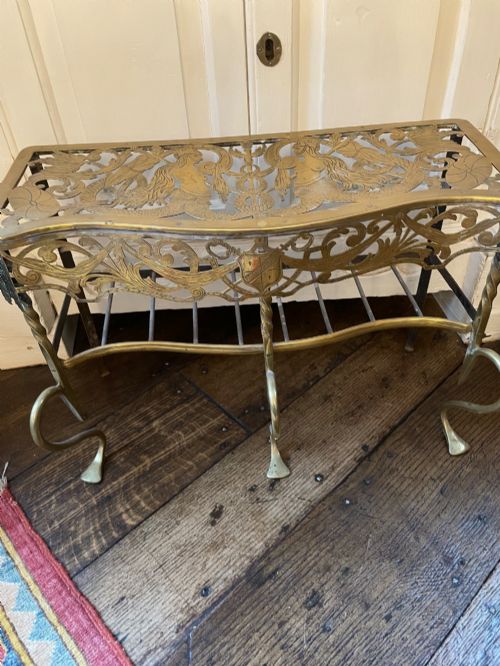
The pieces listed span multiple eras, with Victorian and nineteenth-century examples appearing most frequently alongside Georgian, Regency, and Edwardian specimens. These hearth accessories take the form of simple rails, pierced galleries, and substantial club versions fitted with seats.
Makers and designers from various countries contributed to this tradition, from English country house workshops to continental foundries. Materials range from bright polished brass and burnished steel to rich copper, cast iron, and bronze.
Judging quality and character
Quality rests in the weight and thickness of the metal, the crispness of cast or pierced decoration, and the integrity of joints and corners. Superior examples display refined hand-finishing, such as finely engraved serpentine fronts or securely riveted copper plates.
The presence of original elements, including matching fire irons, leather upholstery with mature patina, or green enamel cabochons, elevates a piece. Mass-produced later castings lack the depth of detail and solid construction found in earlier work.
Kerb Fender Retail Price Guide 2026
Typical asking prices for kerb fender among the pieces listed under this phrase on Sellingantiques today, from the lower quarter to the upper quarter. They describe what is for sale here now, not the wider market.
Listings feature brass, steel, iron, copper, and bronze, spanning the Georgian, Victorian, and Edwardian periods.
E F Caldwell New York
The Kerb Fender Glossary
- Kerb fender
- A low barrier placed around the hearth to contain coals and protect the room. These metal frames sit directly on the floor in front of the fireplace.
- Club fender
- A specialised hearth fender featuring upholstered seats on either side. This form allowed people to sit close to the fire in comfort.
- Pierced brass
- Metal sheet perforated with decorative patterns such as scrolling foliage or geometric shapes. This technique lightened the visual weight of the fender.
- Serpentine front
- A curved shape that undulates outward in the centre and inward at the ends. This contour adds elegance to steel and brass hearth rails.
- Cut steel
- Small faceted steel studs riveted to a backing plate to catch the firelight. This decorative treatment appears on finer Georgian and nineteenth-century hearth furniture.
Kerb Fender: Frequently Asked Questions
What is a kerb fender used for?
A kerb fender acts as a protective barrier around the fireplace hearth, keeping rolling logs and hot embers safely contained. They also provide a finished architectural boundary where the floor meets the fireplace.
Many styles additionally function as seating, particularly club versions equipped with leather pads that turn the hearth into a gathering place.
How do I choose the right size?
Measure the width and depth of your hearth stone before browsing to ensure the inner dimensions match your fireplace opening. Adjustable and extending models offer flexibility if exact measurements prove difficult.
Consider the scale of the fireplace surround so the height and visual weight of the metal frame complement the mantelpiece.
How do I clean brass and steel?
Dust regularly with a soft cloth and avoid abrasive pads that scratch polished metal surfaces. Gentle cleaning preserves the historic patination accumulated over generations.
Leather sections on club versions benefit from occasional feeding with appropriate conditioning balms to prevent drying and cracking.
How can I tell periods apart?
Georgian and Regency examples often feature sleek lines, cut steel studs, and classical cast decoration in iron or brass. Victorian pieces tend toward heavier pierced galleries, ornate brasswork, and the introduction of Arts and Crafts or Art Nouveau motifs toward the end of the century.