


Karaja Tribal Carpet
A karaja tribal carpet brings grounded North-West Persian geometry and robust wool pile into your room.
Karaja Tribal Carpet
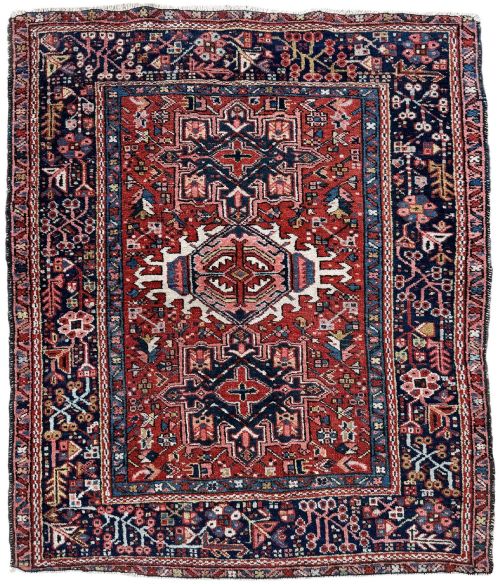
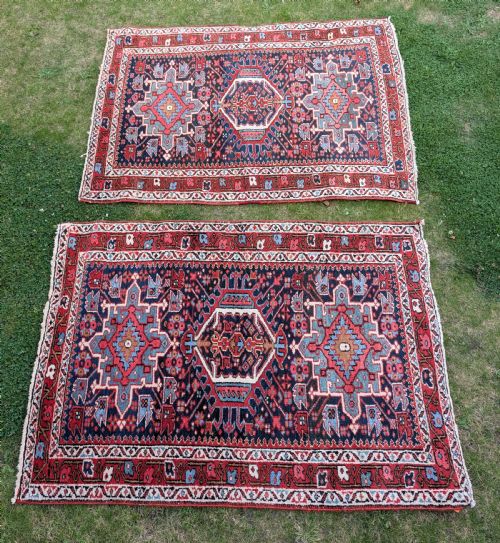
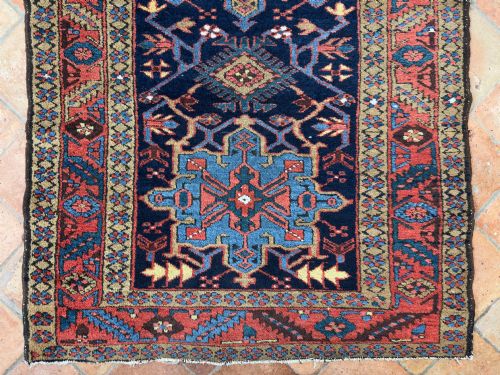
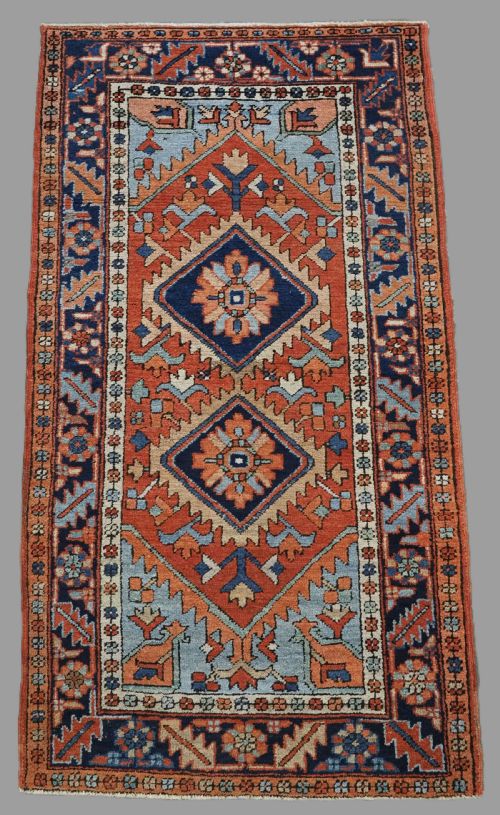
When you search for a karaja tribal carpet, you are looking at hand-knotted room-size flooring, long narrow hallway runners, and smaller area rugs originating from North-West Persia. These pieces arrive from various decades spanning the late nineteenth century into the early twentieth century.
The version you are most likely to meet on this page is an antique rectangular rug or runner displaying traditional Persian tribal motifs. These floor coverings bridge the aesthetic of nomadic weavers and settled village workshops in the Heriz region.
Makers fashioned these textiles as practical furnishings intended for heavy daily use rather than delicate wall hangings. Their enduring structural format suits high-traffic hallways and principal living spaces alike.
How they were made
Weavers constructed a karaja tribal carpet using hand-knotted wool pile secured onto sturdy cotton foundations. This dense knotting technique creates a resilient surface capable of withstanding decades of foot traffic.
Craftsmen utilised natural dye stuffs derived from local plants and minerals to colour the wool. These traditional dyeing methods produced deep, saturated tones that age gracefully over time.
Every runner has walked a few thousand miles before ever meeting your hallway floor.
What varies in quality
The primary distinction across these carpets lies in the crispness of the geometric drawing and the saturation of the wool pile. Finer examples maintain tighter knot densities that allow intricate medallion and tribal motifs to appear sharper.
Structural integrity also separates individual pieces, with superior survivors retaining their original side cordings and end finishes. The consistency of the hand-spun wool and the depth of the dye palette further define the upper tier of these textiles.
The Karaja Tribal Carpet Glossary
- Runner
- A long, narrow carpet format designed specifically for corridors, staircases, and hallways. These elongated pieces typically measure significantly greater in length than in width.
- Medallion
- A central ornamental motif set into the middle of the carpet field. This prominent design element often dictates the geometric symmetry of the surrounding pattern.
- Pile
- The upright wool surface of the carpet formed by the cut ends of knots. This raised textile layer provides both cushioning underfoot and protection for the foundational warp threads.
- Warp
- The vertical structural threads stretched tightly on the loom before knotting begins. Cotton warps form the rigid backbone that supports the entire weight of the wool pile.
Karaja Tribal Carpet: Frequently Asked Questions
Where should I place a runner rug?
A narrow runner rug suits hallways, corridors, and long entryways where floor protection and visual warmth are required.
Their elongated proportions allow them to fit comfortably in transitional spaces without obstructing doors.
How do I care for antique wool carpets?
Regular gentle vacuuming without a rotating beater bar prevents dust accumulation within the dense wool pile. Professional cleaning should be undertaken periodically by specialists familiar with antique Persian textiles.
Avoid excessive moisture and direct, harsh sunlight to preserve the natural wool fibres and vegetable dyes.
What defines North-West Persian rugs?
These carpets originate from workshops and villages in regions such as Karaja and Heriz. They are known for bold geometric layouts and robust construction.
Unlike curvilinear city carpets, these pieces favour strong lines, stylized florals, and tribal medallions.
How do I determine the age of these carpets?
Age is assessed through structural characteristics, dye types, and the degree of natural wool wear over decades of use. Pieces dating from the nineteenth and early twentieth centuries display distinct hand-spun textures.
Comparing border details and regional weaving habits helps narrow down the approximate decade of production.