
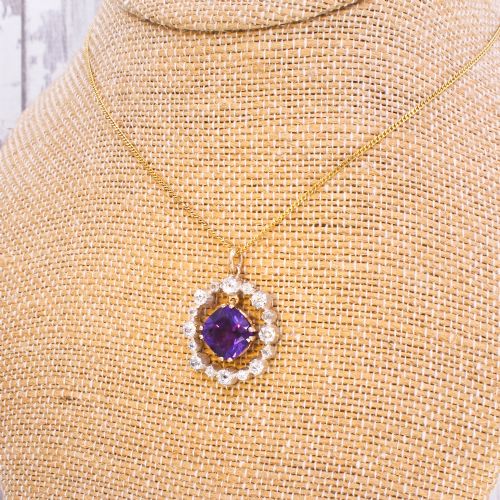
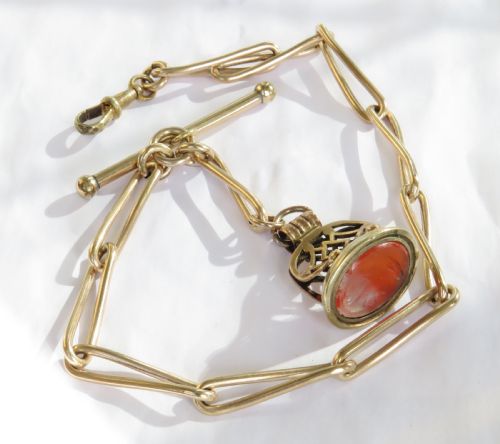
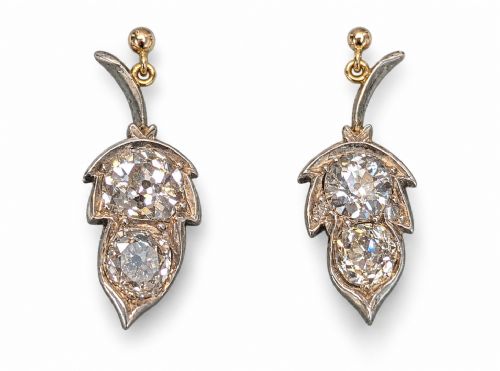
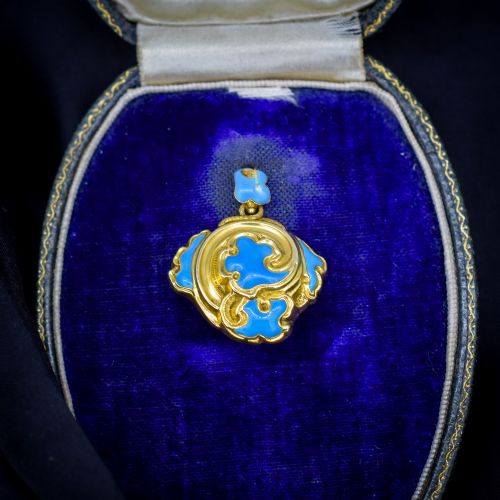

Jewellery Gold Pendant
These jewellery gold pendant pieces offer a tangible connection to past eras, bringing enduring craftsmanship and precious materials directly to your collection.
Jewellery Gold Pendant
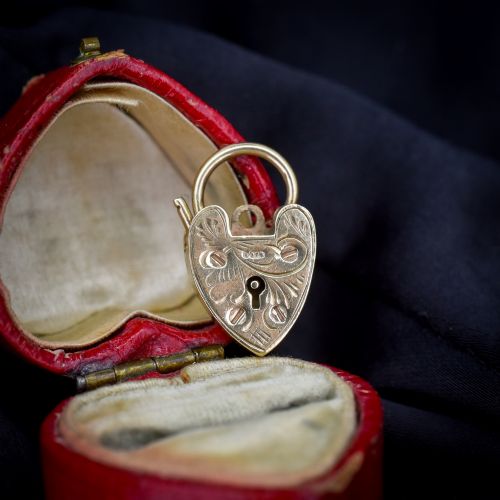
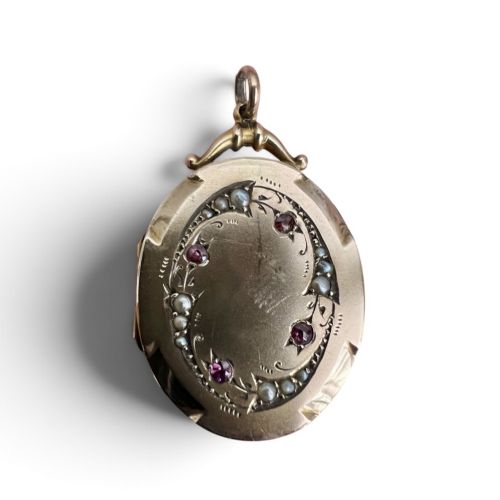
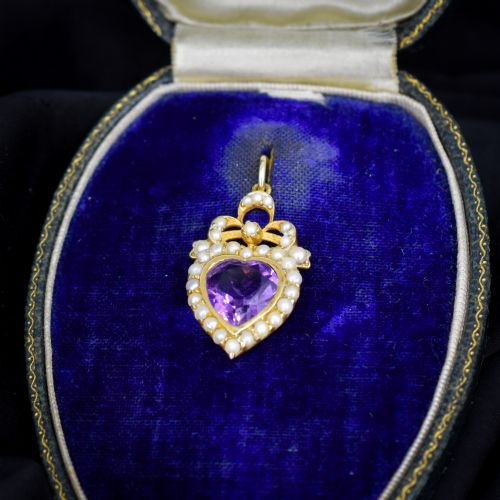
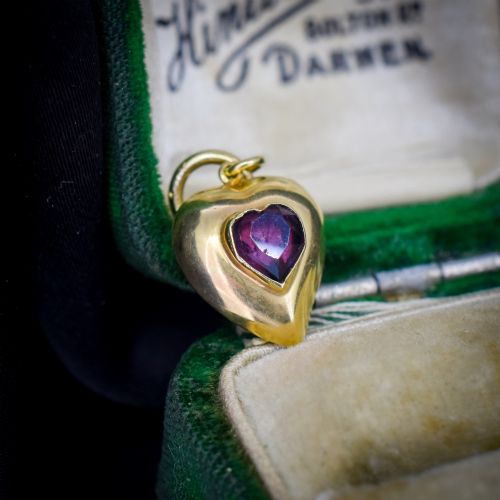
A jewellery gold pendant search covers ornaments designed to suspend from chains or ribbons around the neck, spanning multiple decades and stylistic movements. These items range from simple gold hearts and lockets to elaborate cluster designs set with gemstones.
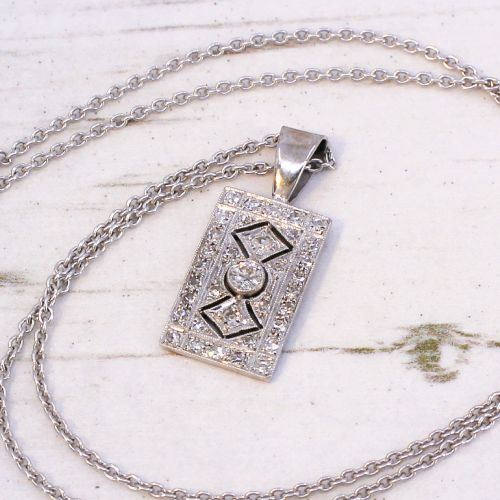
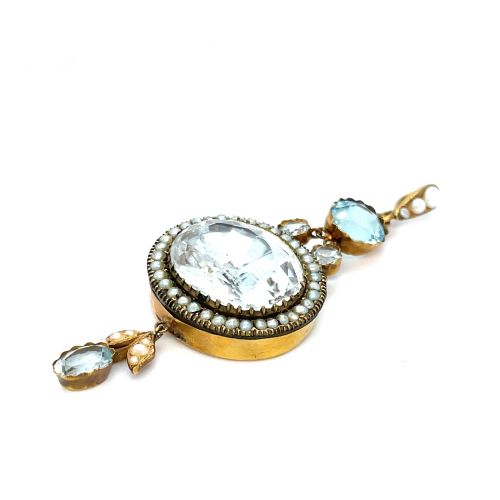
The pieces appearing on this page draw predominantly from the Victorian, Edwardian, and Art Deco periods, alongside mid-century examples. Common configurations include lavalier necklaces, charm pendants, and gem-set drops incorporating pearls, amethysts, and diamonds.
Makers and designers from the nineteenth and twentieth centuries utilised various gold purities, notably 9ct, 15ct, and 18ct alloys. Surviving items often reflect distinct aesthetic shifts, from revivalist motifs to clean geometric lines.
How They Were Made
Craftsmen built these items using different grades of gold, ranging from 9ct and 15ct to 18ct variants, often combining yellow and rose gold tones. Metalworking techniques included casting, engraving, and fine wirework such as granulation.
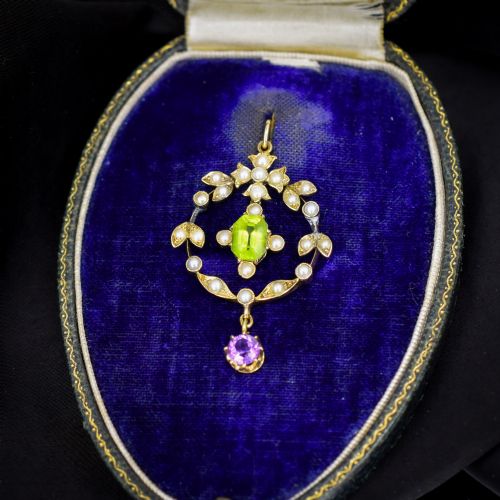
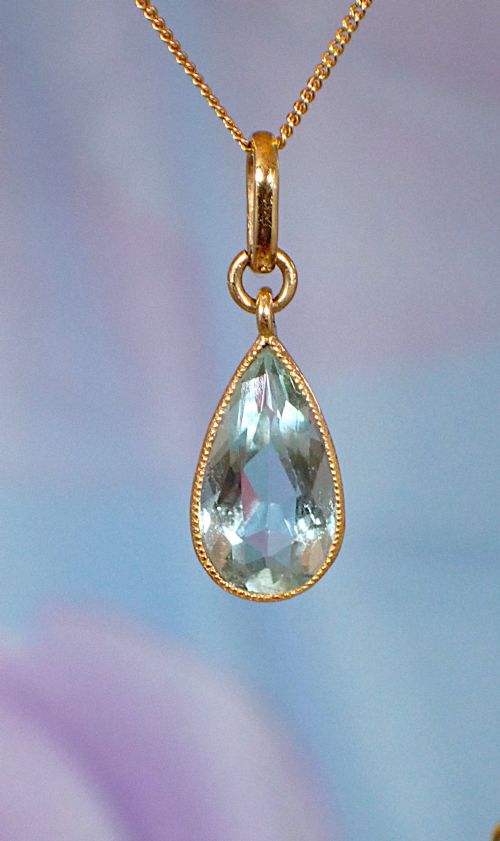
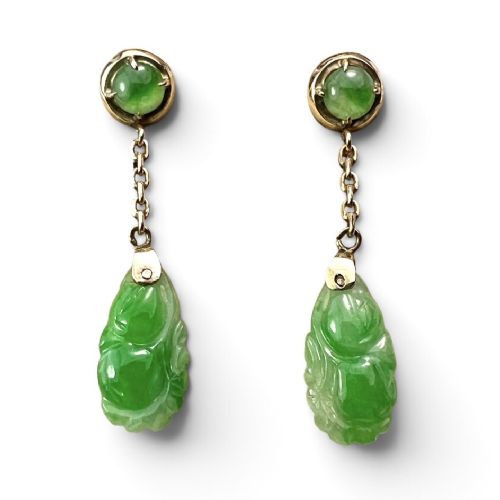
Gemstones like diamonds, amethysts, aquamarines, and turquoises were integrated alongside seed pearls and enamel work. Stones received various historical cuts, including old mine cuts and rose cuts, held securely by claws or bezel settings.
What Varies in Quality
The refinement of the metalwork and the precision of the stone setting dictate the distinction between ordinary and exceptional examples. Finer pieces demonstrate meticulous hand-engraving, secure stone alignment, and well-preserved enamel without loss.
Design complexity and the presence of original components, such as matching chains or intact clasps, influence the character of each pendant. Superior items retain their structural integrity and display superior gemstone clarity and colour within their historical context.
Deakin & Francis·Henry Bone ARA
The Jewellery Gold Pendant Glossary
- Lavalier
- A pendant featuring a primary drop stone with one or more smaller drops suspended below it. This style gained popularity during the Edwardian period.
- Mourning Locket
- A hinged pendant designed to hold a lock of hair or a miniature portrait, frequently finished with black enamel or seed pearls.
- Old Cut
- A hand-faceted diamond cut characteristic of older jewellery, featuring a smaller table and a higher crown than modern brilliant cuts.
- Guilloche Enamel
- Decorative metalwork covered with translucent enamel over an engine-turned engraved pattern, creating a repeating geometric texture.
- Negligee Necklace
- A pendant style featuring two unequal drops suspended from a central link, popular during the Edwardian and Arts and Crafts eras.
Jewellery Gold Pendant: Frequently Asked Questions
How do I date a gold pendant?
Dating relies on examining the metal hallmarks, stylistic clues like setting types, and the cut of any incorporated gemstones. Comparing these elements with documented manufacturing periods helps narrow down the decade of creation.
Assay office marks and maker's stamps provide additional chronological reference points when present on the metalwork.
Were these pendants worn every day?
Historical pendants served both as daily adornments and as special occasion pieces, depending on their design and materials. Simpler gold charms and lockets saw frequent daily wear, while diamond-heavy pieces were reserved for formal evening use.
Over time, changing fashions influenced how frequently specific styles were integrated into everyday wardrobes.
How should I clean antique gold jewellery?
Maintenance requires gentle cleaning using warm water and a mild soap, avoiding harsh chemical dips that can damage softer gems like pearls or turquoises. A soft-bristled brush helps remove debris from behind stone settings without scratching the metal.
Professional inspection ensures that older claws remain secure and capable of holding gemstones safely.
What is the difference between a locket and a pendant?
A pendant is a decorative ornament suspended from a chain, whereas a locket specifically incorporates a hollow compartment designed to enclose a photograph or keepsake. Many historical pieces combine both functions by featuring decorative gemstone fronts with functional hinged backs.
Distinguishing between them depends on inspecting the construction for opening mechanisms.