



Japanning Furniture
Japanning furniture brings layered lacquer finishes and Chinoiserie motifs to interior spaces, offering decorative cabinetwork and tables.
Japanning Furniture
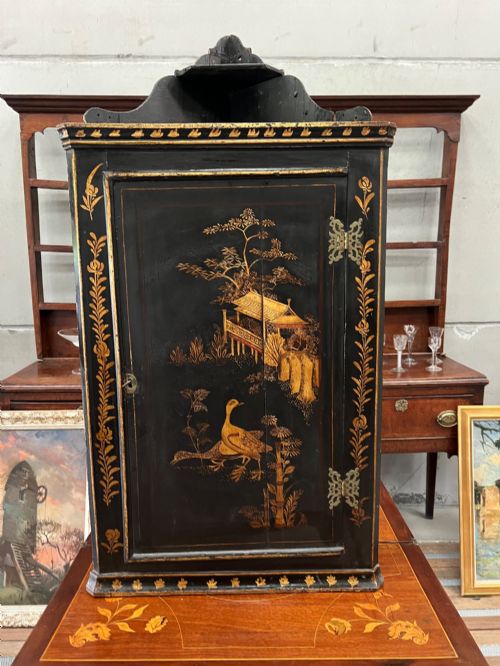
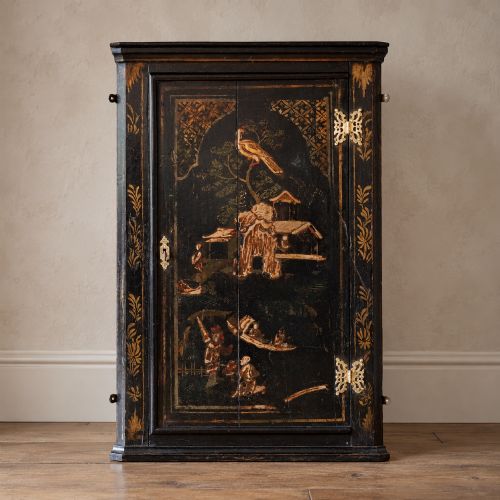
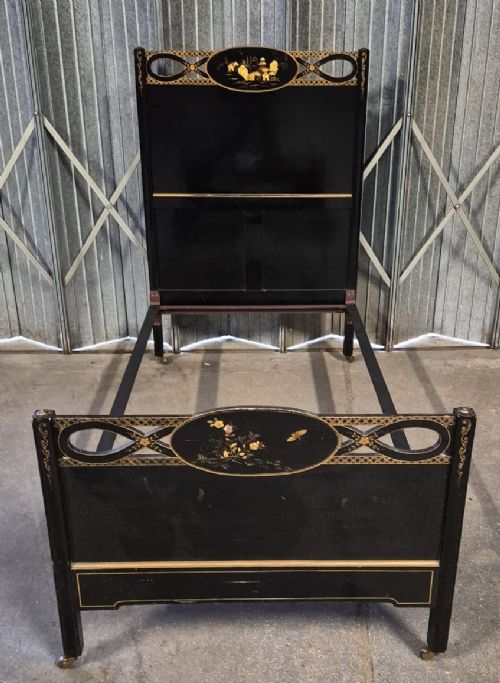
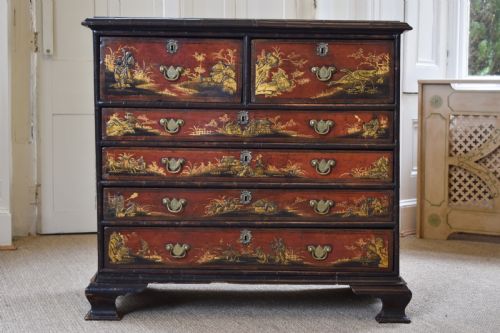
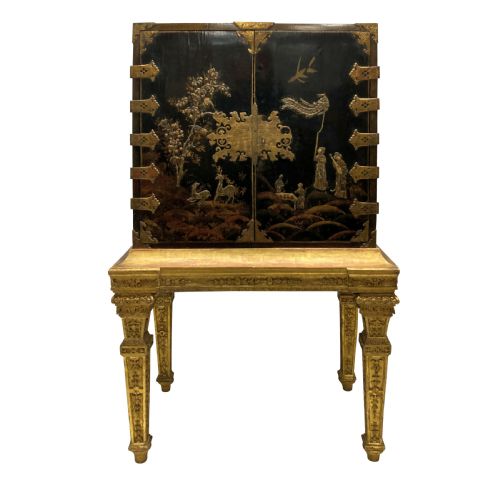
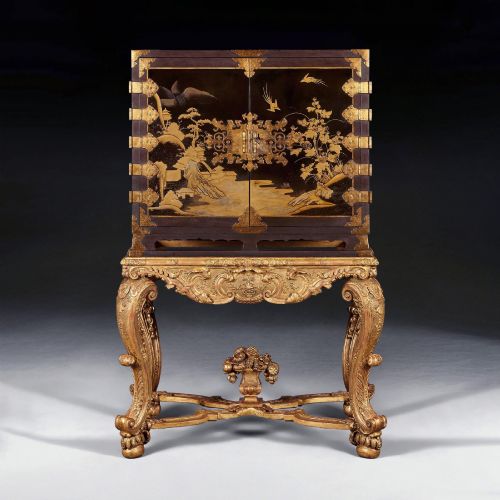
Japanning furniture encompasses decorative cabinets, tables, and seating finished with European lacquerwork imitating Asian designs. Buyers searching for japanning furniture encounter pieces ranging from early seventeenth century cabinets on stands to later twentieth century items.
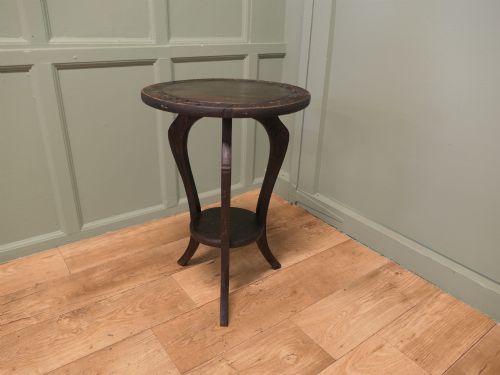
The selections span distinct historical periods including the eighteenth century, the Victorian era, the Regency period, and the 1920s. Common forms include side tables, display cabinets, corner cabinets, and occasional tables.
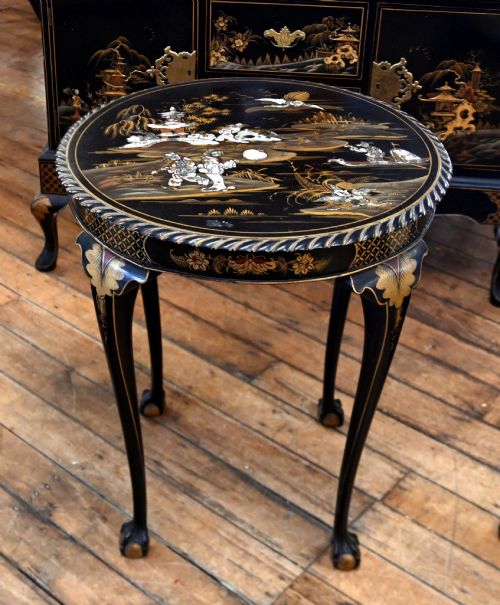
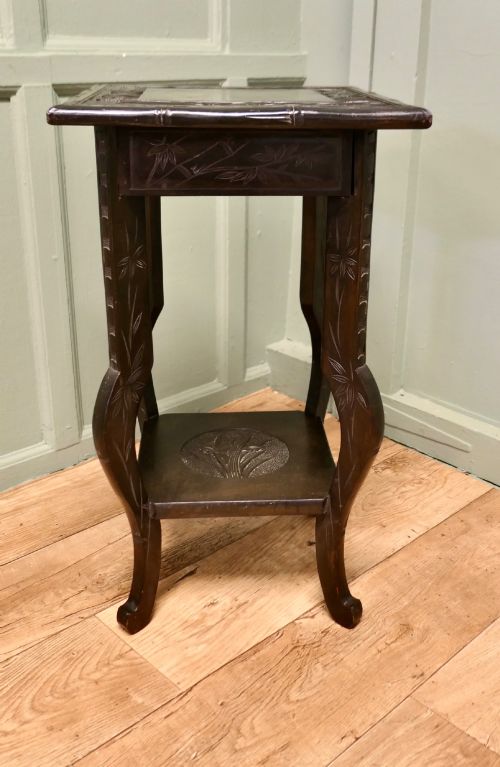
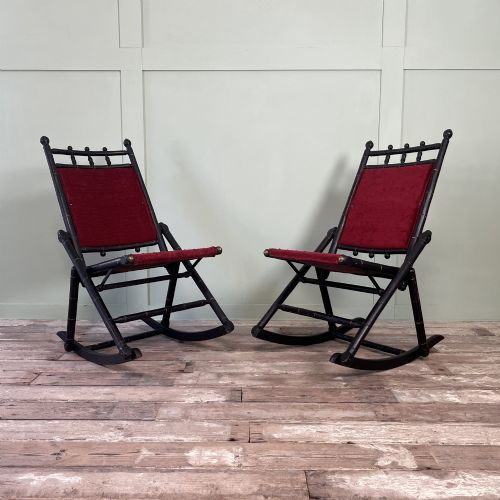
Makers drew heavily on Chinoiserie and Aesthetic Movement styles to decorate wooden and bamboo carcases. These items served functional roles in homes while providing striking visual focal points through painted or lacquered surfaces.
How japanning furniture was made
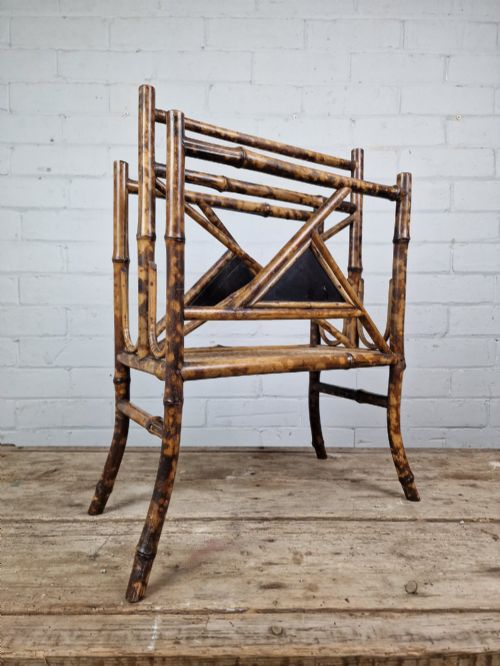
Artisans built carcases from wood, ebonised wood, or bamboo, occasionally incorporating brass and glass components. Surfaces received layers of lacquer and gold leaf to create deep, reflective finishes.
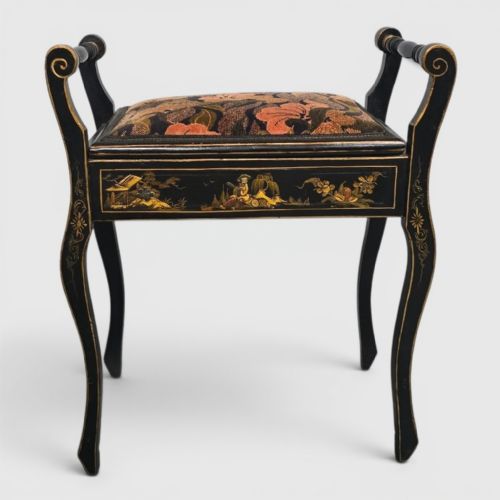
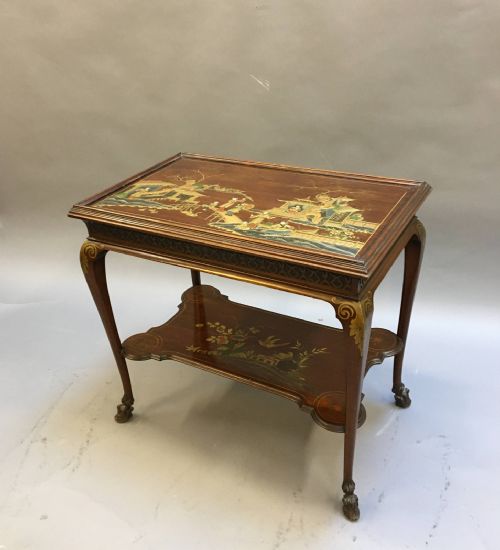
Decoration relied on hand-painted Chinoiserie motifs depicting figures, landscapes, flora, and fauna. Pen-work and detailed surface painting were utilised on specific pieces like trays and cabinets.
Stands and mounts often utilised contrasting materials such as French giltwood or carved wood to support heavy lacquer cabinets.
Japanning Furniture Retail Price Guide 2026
Typical asking prices for japanning furniture among the pieces listed under this phrase on Sellingantiques today, from the lower quarter to the upper quarter. They describe what is for sale here now, not the wider market.
Listings feature items from the seventeenth, eighteenth, nineteenth, and twentieth centuries, using wood, bamboo, lacquer, and gold leaf.
What varies in quality
The depth of the lacquer layers and the crispness of the hand-painted details separate standard examples from finer works. Superior pieces display intricate pictorial scenes with careful application of gold leaf and relief work.
The integrity of the underlying timber or bamboo frame and the harmony between the cabinet and its stand dictate overall execution. Period stands matching seventeenth or eighteenth century cabinets demonstrate higher cohesion than later adaptations.
The Japanning Furniture Glossary
- Japanning
- European imitation of East Asian lacquerwork used on furniture and decorative objects. It involves building up layers of varnish and applying painted or raised metallic decoration.
- Chinoiserie
- European decorative style reflecting Chinese artistic influences, prevalent in furniture and interior design. It uses imaginative depictions of oriental landscapes, figures, and motifs.
- Lacquer
- A durable resin finish applied to wooden surfaces to create a smooth, glossy coating. Historic pieces built up multiple coats to achieve deep lustrous sheens.
- Cabinet on Stand
- A tall storage cabinet elevated on a dedicated supporting frame or table base. This form was particularly popular during the seventeenth and eighteenth centuries.
- Aesthetic Movement
- Late nineteenth century design style promoting art for art's sake and incorporating Japanese artistic elements. Furniture from this period frequently utilised bamboo and ebonised wood.
Japanning Furniture: Frequently Asked Questions
What is japanning furniture?
Japanning furniture refers to European wooden or bamboo pieces finished with specialised lacquer and decorative motifs that imitate Asian export goods. These items date from the seventeenth century onwards and include cabinets, tables, and screens.
The technique involved building up resin layers and applying gold leaf or paint to create glossy surfaces depicting figures, birds, and landscapes.
How do I care for lacquered furniture?
Lacquered surfaces require gentle maintenance away from direct sunlight and excessive humidity. Dusting with a soft, dry cloth protects the finish from abrasion.
Avoid using modern chemical polishes or water on antique lacquer finishes to preserve the integrity of the painted decoration.
What periods produced japanning furniture?
Japanning furniture appeared in British interiors during the late seventeenth century under William and Mary, continuing through the eighteenth century with Queen Anne and Georgian examples. Later revivals occurred during the Victorian Regency and Aesthetic periods.
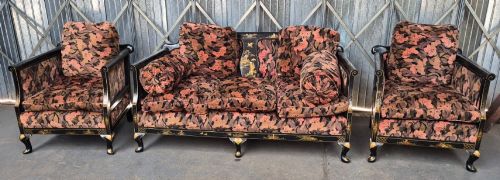
Twentieth century pieces from the 1920s and 1930s also revived Chinoiserie styles in cocktail cabinets and decorative settees.
Where were these pieces used in the home?
These decorative items functioned primarily in formal reception rooms, drawing rooms, and hallways. Cabinets displayed precious objects while side tables and trays served practical daily uses.
Smaller occasional tables and bamboo items were easily moved around living spaces to suit interior arrangements.