






Japanned Top Table
A japanned top table brings Eastern-inspired lacquerwork and hand-painted figures into a room, offering a functional surface layered with narrative detail.
Japanned Top Table
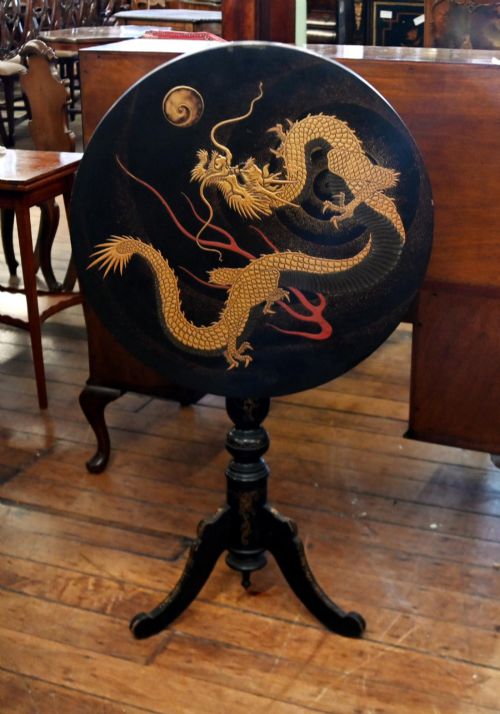
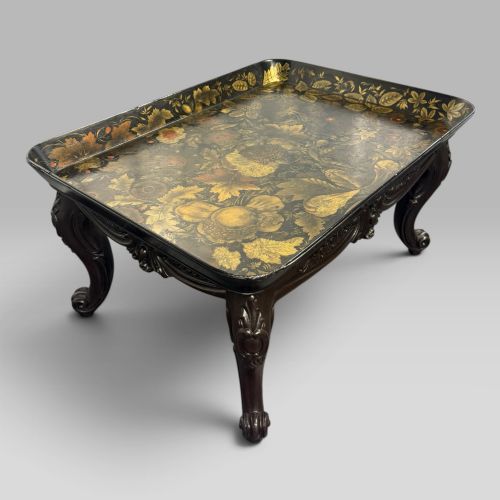
A japanned top table encompasses a variety of forms including occasional, wine, tilt-top, card, console, centre, and tray tables designed with distinctive decorated surfaces. These pieces emerge from periods spanning the Georgian, Regency, and Victorian eras, alongside Edwardian and early twentieth-century interpretations.
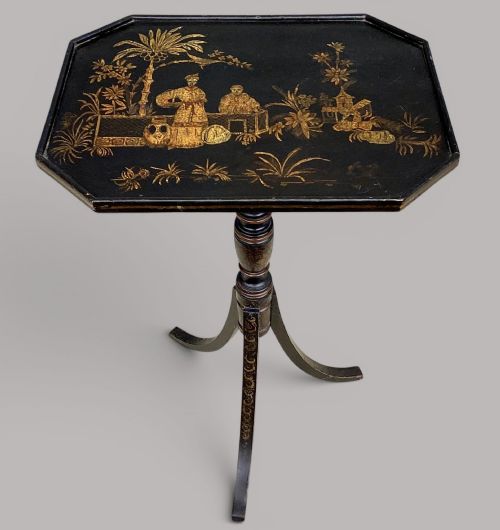
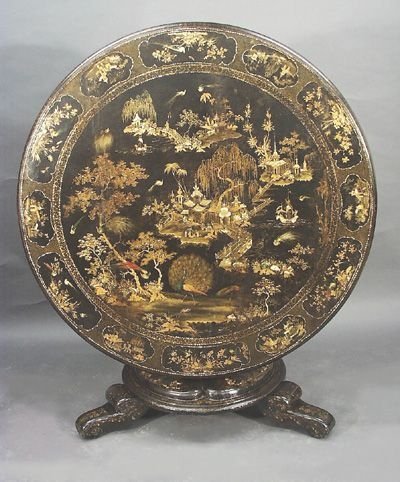
The most frequent examples found in this selection are tilt-top and occasional tables featuring Chinoiserie ornamentation. Makers applied European lacquer techniques to mimic Asian imports, depicting landscapes, pavilions, and figures.
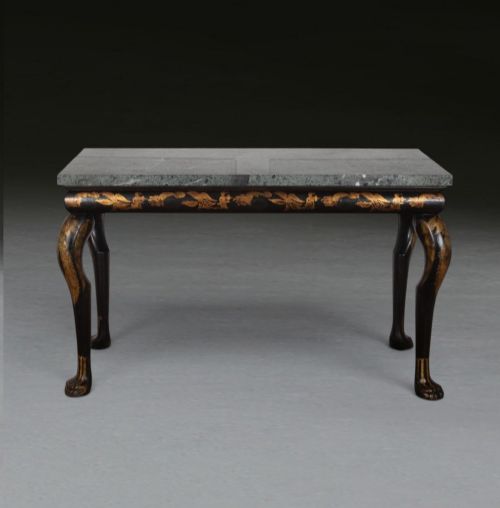
Beyond standard occasional uses, the inventory includes variations with marble tops, tole trays on stands, and ebonised tripartite bases. Each format combines utility with decorative finishing characteristic of English interpretations from the eighteenth to the twentieth centuries.
Materials and construction
Construction relies primarily on wood substrates prepared to receive successive layers of lacquer or paint. Artisans built up the surface before applying hand-painted details, often incorporating gold leaf, gilt, or brass elements.
Japanned Top Table Retail Price Guide 2026
Typical asking prices for japanned top table among the pieces listed under this phrase on Sellingantiques today, from the lower quarter to the upper quarter. They describe what is for sale here now, not the wider market.
Several tables in this selection fold away flat, proving that eighteenth-century makers understood the art of hiding furniture when the room needed to breathe.
Distinctions in quality
Quality rests upon the execution of the painted decoration and the depth of the lacquer finish. Superior examples display intricate, well-preserved hand-painted motifs with careful application of gold leaf and gilt work rather than flat stencilling.
The integrity of the underlying timber structure and the stability of the tilt-top or folding mechanisms also define the tier of the piece. Finer specimens maintain crisp relief work and balanced proportions across bases, whether ebonised, tripartite, or pedestal forms.
The Japanned Top Table Glossary
- Japanned
- European-made lacquerwork produced in imitation of Asian imports. This finish involves building up layers of varnish and paint to create a smooth, glossy surface often decorated with raised or flat motifs.
- Chinoiserie
- A European artistic style reflecting Chinese and East Asian artistic influences. It frequently appears on furniture through scenes of figures, pagodas, and landscapes rendered in paint and gilt.
- Tilt-top table
- A small table featuring a mechanism that allows the surface to rotate vertically and store flat against a wall when not in use. This form is common among eighteenth and nineteenth-century examples.
- Tole
- Painted or lacquered sheet metal used to form trays and decorative objects. When mounted on a stand, these trays function as portable table surfaces.
- Parcel-gilt
- Partially gilded with gold leaf or paint to highlight specific carved or raised details on a surface. This technique contrasts metallic accents with the darker background of the lacquer.
Japanned Top Table: Frequently Asked Questions
What is a japanned top table?
A japanned top table is a piece of furniture featuring a lacquered and hand-painted surface inspired by Asian decorative arts. These tables were produced in England across the Georgian, Regency, and Victorian periods.
They serve as functional surface furniture while displaying detailed scenes in paint and gold leaf, ranging from occasional stands to tilt-top formats.
How were these tables used originally?
These tables functioned primarily as movable furniture for social rooms, accommodating small items, drinks, or card games. Tilt-top versions allowed owners to clear floor space by storing the surface upright against a wall.
Tray tables and tole stands offered portable serving options that could be lifted from their bases when required.
How do I care for a lacquered surface?
Lacquered and painted surfaces require gentle treatment to preserve the delicate finishes and gold leaf details. Dusting with a soft, dry cloth prevents the accumulation of abrasive particles without damaging the varnish.
Keep these pieces away from direct sunlight and excessive moisture to protect the timber substrate and prevent the lacquer from crazing.
How do I identify the period of a table?
Dating relies on examining the structural form, the timber used in the base, and the style of the painted decoration. Georgian and Regency examples often display distinct pedestal or tripartite supports paired with classic Chinoiserie motifs.
Later nineteenth and early twentieth-century pieces incorporate Victorian or Edwardian proportions alongside Japonisme or revived seventeenth-century aesthetic influences.