







Japanese Wooden Figure
These japanese wooden figure carvings range from miniature netsuke to substantial bears, bringing intricate Meiji craftsmanship and rustic folk art into your interior.
Japanese Wooden Figure
When searching for a japanese wooden figure, you encounter diverse forms spanning miniature netsuke, detailed okimono, and rustic folk art carvings. The nineteenth century yields the highest volume of examples, alongside pieces from the Edwardian era and the early twentieth century.
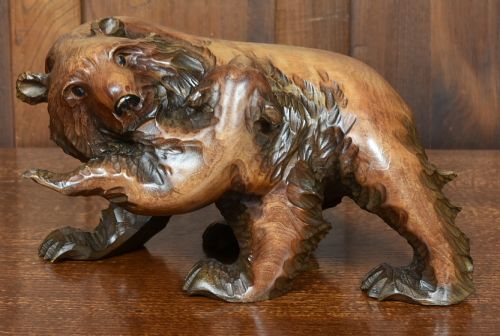
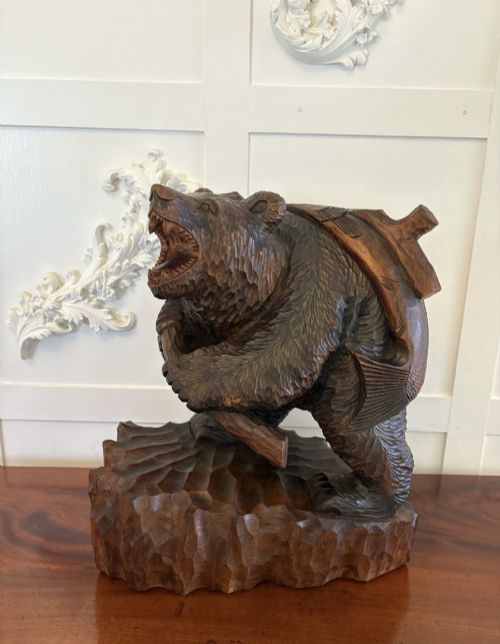
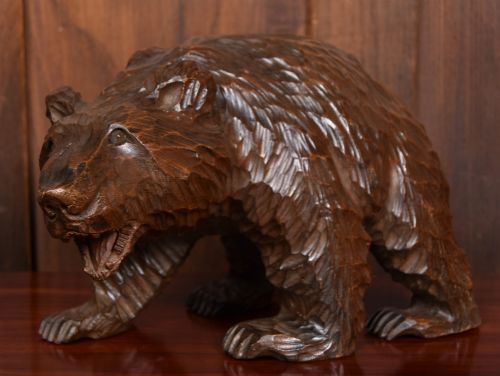
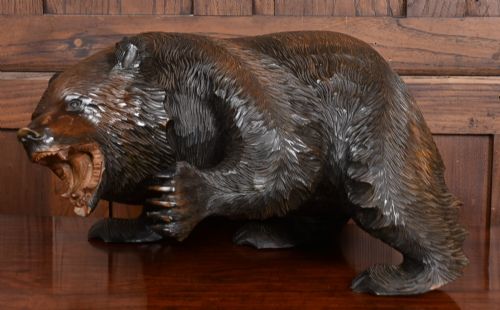
Animal studies form a prominent category, particularly bears carved in cedar or linden wood, often associated with folk art traditions. Human figures depict historical deities, wise men, and geisha rendered in hardwoods like boxwood.
Functional objects also appear among these sculptures, including tobacco boxes, pipe holders, and folding screens accented with carved bone. Root wood finds application in larger decorative items such as table lamps.
Materials and Carving Techniques
Carvers utilise varied timbers including boxwood, cedar, linden wood, hardwood, and root wood to shape each japanese wooden figure. Boxwood permits intricate detailing on miniature netsuke and okimono, while softer cedar and linden wood suit larger animal sculptures.
Techniques range from smooth, refined surfaces on figural sculptures to the deliberate, visible tool marks of the nata-tsukuri style. Certain pieces incorporate applied elements like bone inlay to create contrast against the carved wooden ground.
Japanese Wooden Figure Retail Price Guide 2026
Typical asking prices for japanese wooden figure among the pieces listed under this phrase on Sellingantiques today, from the lower quarter to the upper quarter. They describe what is for sale here now, not the wider market.
A youthful rider navigates a ram in one miniature boxwood carving.
Judging Quality and Execution
The distinction between ordinary and superior pieces rests upon the precision of the carver's hand and the expressiveness of the subject. Finer sculptures display anatomical accuracy in animals and distinct facial character in human figures.
Signed works by established carvers demonstrate greater mastery in composition and depth of relief. The choice of timber also dictates quality, with dense boxwood allowing microscopic detail absent in coarser woods.
Tomochika·Masayuki
The Japanese Wooden Figure Glossary
- Netsuke
- A small carved toggle fastened to the end of a cord attached to a small pouch or box worn on the traditional kimono sash. They often depict animals, deities, or historical figures.
- Okimono
- A standalone decorative ornament designed for display on a shelf or in a tokonoma alcove. These sculptures portray mythological figures, everyday people, and animals.
- Meiji Period
- The era in Japanese history spanning from 1868 to 1912, characterised by opening trade and exceptional craftsmanship in decorative arts. Many carved wooden figures date from this timeframe.
- Kibori Kuma
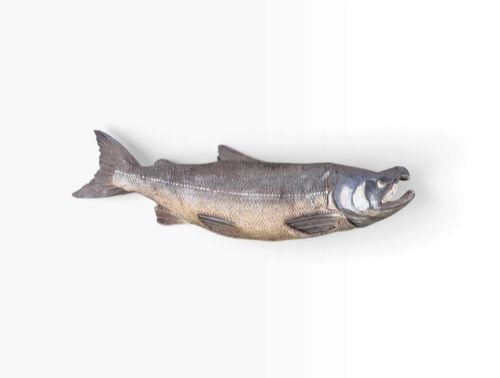
- A style of wooden bear carving originating from the Ainu people of Hokkaido, frequently rendered holding a fish in its mouth. These pieces represent a key subset of Japanese folk art.
- Nata-Tsukuri Style
- A traditional woodworking technique that leaves deliberate hatchet marks visible across the surface of the sculpture. This method creates a rustic texture distinct from smooth sanding.
Japanese Wooden Figure: Frequently Asked Questions
What is a netsuke?
A netsuke is a small carved toggle traditionally used to secure a pouch or container suspended from a kimono sash. Master carvers shaped these from boxwood and other dense materials into intricate figures.
Collectors prize them for their miniature scale and inventive depictions of folklore, animals, and legendary figures.
How do I identify a Meiji period carving?
Meiji period pieces often display high levels of naturalistic detail and dynamic poses, reflecting the flourishing arts industry of late nineteenth century Japan. Signatures incised directly into the wood frequently appear on these works.
They span from miniature okimono depicting deities to larger sculptures capturing specific cultural archetypes and natural subjects.
What is Kibori Kuma?
Kibori Kuma refers to carved wooden bear sculptures originating from the northern regions of Japan. These pieces often feature a bear holding a salmon and embody a distinct folk art tradition.
They range in scale from small cabinet ornaments to large decorative figures carved from cedar or linden wood.
Where should I display these figures?
Smaller okimono and netsuke suit enclosed cabinets or dedicated display shelves where their fine details remain protected. Root wood lamps and larger animal sculptures function well as standalone decorative objects on tables.
Keep wooden carvings away from direct sunlight and extreme temperature fluctuations to preserve the condition of the natural timber.