






Japanese Wood Stand
These japanese wood stand pieces bring disciplined craftsmanship and distinct sculptural form to interiors.
Japanese Wood Stand
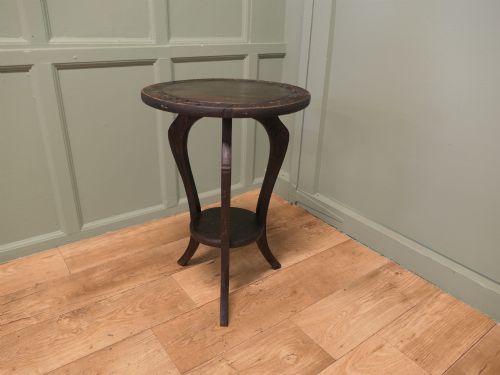
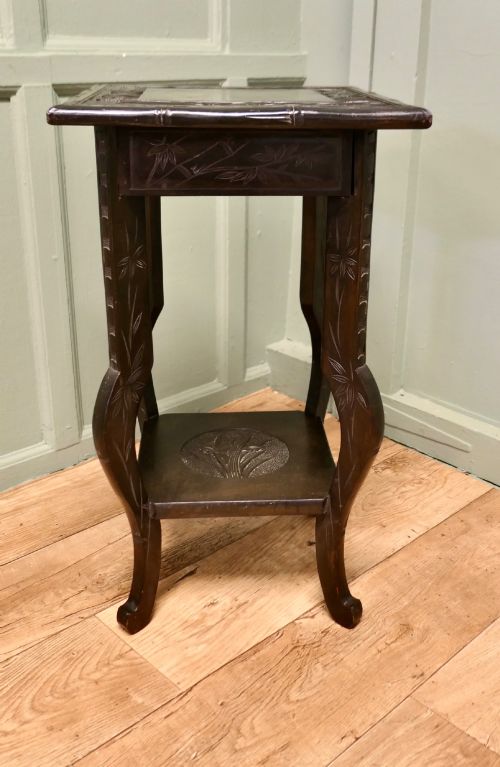
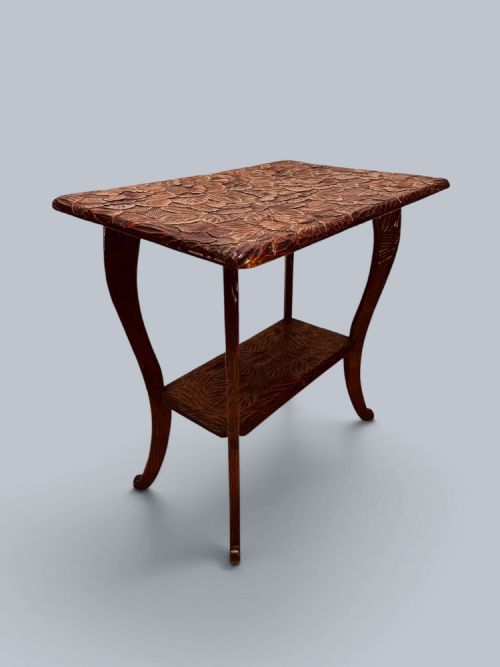
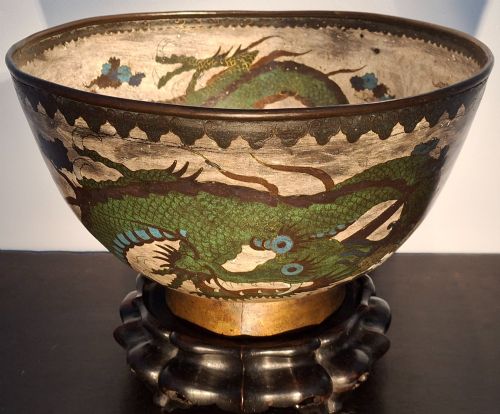
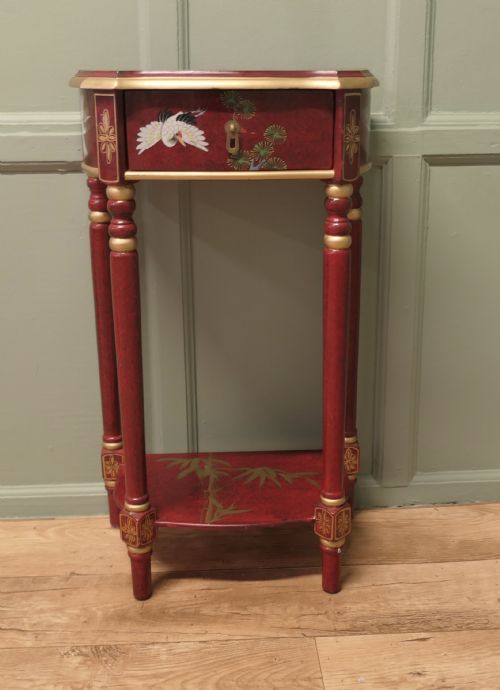
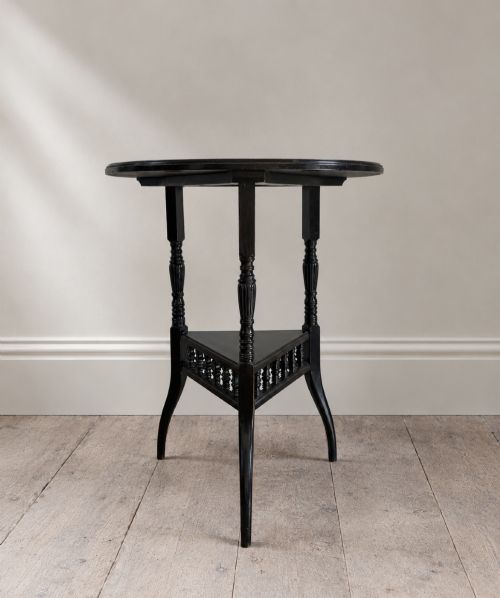
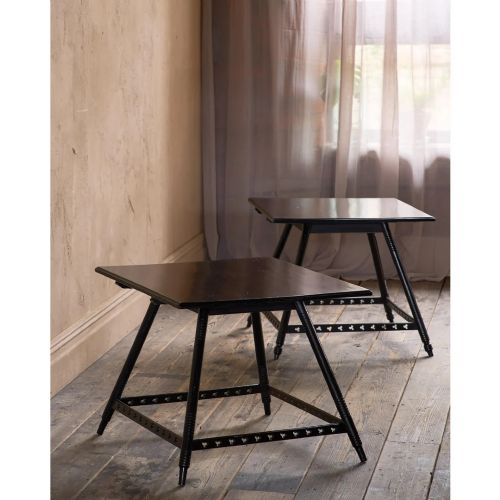
A japanese wood stand encompasses a range of display furniture, occasional tables, and specific presentation platforms originating primarily from the nineteenth and early twentieth centuries. These objects reflect the strong influence of Japanese design philosophies on British and European makers during the Meiji period and the Aesthetic Movement. The selection on this page centres on sturdy plant stands, intricate bonsai supports, carved display cabinets, and side tables.
Forms vary from low chabudai tea tables to tall display furniture and specialised turtle-shaped bonsai stands. Buyers find both imported pieces from Japan and European adaptations reflecting Anglo-Japanese taste, incorporating ebonised finishes and traditional joinery. These items served both functional display roles and decorative purposes in period interiors.
How they were made
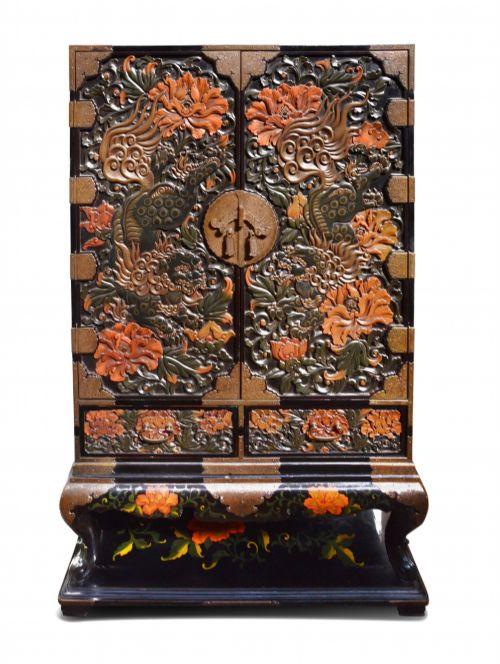
Artisans constructed these pieces using dense hardwoods, ebonised wood, mahogany, and elm, often applying deep red or black lacquer coatings. Surface ornamentation frequently includes delicate mother of pearl inlay, hand-carved relief detailing, and brass fittings. The integration of contrasting materials defines the physical structure of many surviving examples.
Joinery methods prioritized structural integrity without disrupting the natural grain or carved surfaces. Workshops utilised traditional framing and panel construction, particularly in the creation of multi-tiered shodana cabinets and robust display tables.
Japanese Wood Stand Retail Price Guide 2026
Typical asking prices for japanese wood stand among the pieces listed under this phrase on Sellingantiques today, from the lower quarter to the upper quarter. They describe what is for sale here now, not the wider market.
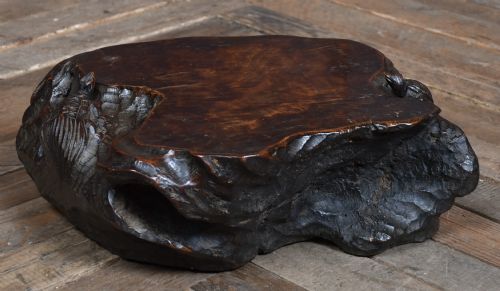
One exceptional nineteenth-century stand is carved in the likeness of a turtle, bridging utilitarian display with playful animal form.
What varies in quality
Quality rests upon the depth and crispness of the hand-carving, especially on figural elements and pierced panels. Superior examples exhibit precise joinery that remains tight and stable, alongside well-preserved lacquer or polished hardwood surfaces that retain their intended sheen. Lesser items often display simpler, shallower carving and secondary timbers of lower density.
The sophistication of the design distinguishes standard production pieces from workshop creations associated with prominent retailers or designers. Original hardware, intact inlay work, and uncompromised structural proportions elevate the standing of individual tables and cabinets.
Liberty and Co·Gabriel Viardot·E W Godwin
The Japanese Wood Stand Glossary
- Shodana
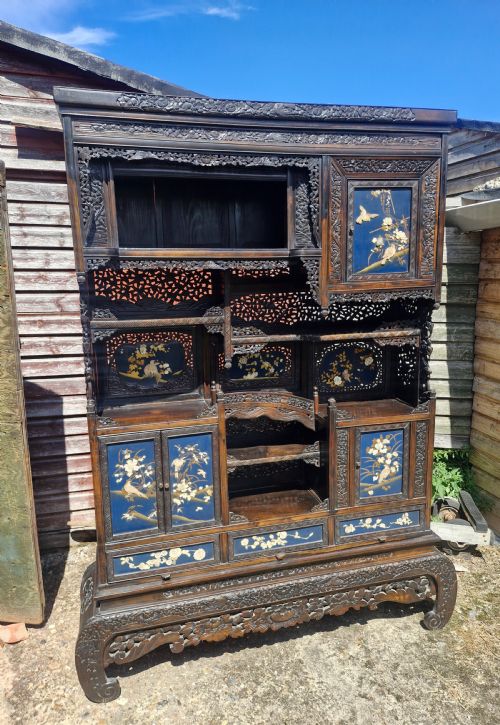
- A traditional Japanese multi-tiered display cabinet featuring asymmetrical shelving and small cupboards. These pieces were designed to hold small artistic objects and ceramics.
- Meiji Period
- The era in Japanese history spanning from 1868 to 1912, characterised by extensive international trade and a significant influence on Western decorative arts. Pieces from this time often display exceptionally intricate carving.
- Ebonised
- Wood finished with a dark stain or paint to imitate the appearance of expensive ebony. This treatment was widely utilised during the Victorian era and the Aesthetic Movement.
- Chabudai
- A short-legged traditional Japanese table used for serving tea or meals while sitting on tatami mats. They appear in Western interiors repurposed as occasional or display tables.
- Chinoiserie
- European artistic style reflecting Chinese and broader East Asian motifs, frequently adapted into furniture finishes and lacquerwork. It often merges with Japanese aesthetic elements in nineteenth-century British design.
Japanese Wood Stand: Frequently Asked Questions
What is a shodana cabinet?
A shodana cabinet is a multi-tiered Japanese display unit designed with staggered shelves and small doors. These structures served to exhibit small decorative objects within traditional interiors.
In Western settings, they functioned similarly as focal points for curated collections of ceramics and small sculptures.
How do I identify Meiji period stands?
Meiji period stands typically exhibit dense hardwoods, deep hand-carving, and precise joinery reflecting the craftsmanship of late nineteenth-century workshops. They often feature specific motifs like tortoises, floral arrangements, or asymmetrical shelving.
Examining the underside and interior construction helps confirm the period manufacturing techniques and material composition.
Where were ebonised tables used?
Ebonised tables found placement in Victorian and Aesthetic Movement drawing rooms as striking accents against patterned wallpapers and rich textiles. Their dark surfaces provided a deliberate contrast to lighter woods and gilded accessories.
Owners utilised them to support table lamps, decorative bowls, and imported porcelain.
What was the Aesthetic Movement?
The Aesthetic Movement was a late nineteenth-century British design current that emphasised visual and material beauty over narrative or moral function. It drew heavy inspiration from Japanese art and craftsmanship.
Furniture from this circle prioritized clean lines, ebonised finishes, and simple geometric forms.