

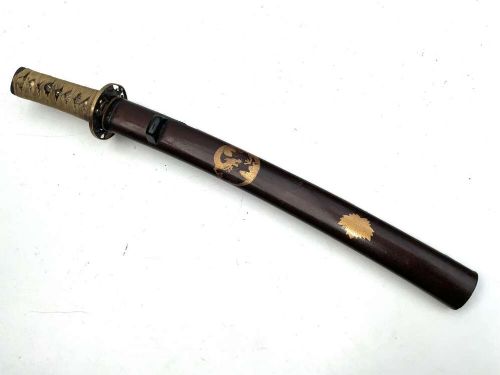
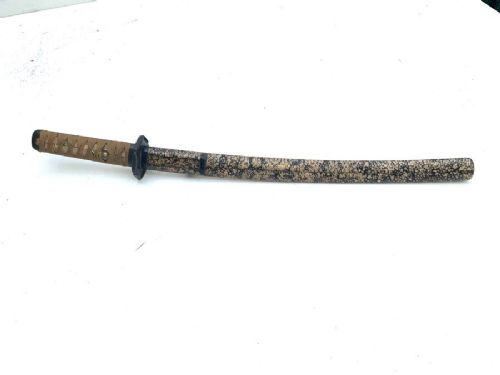
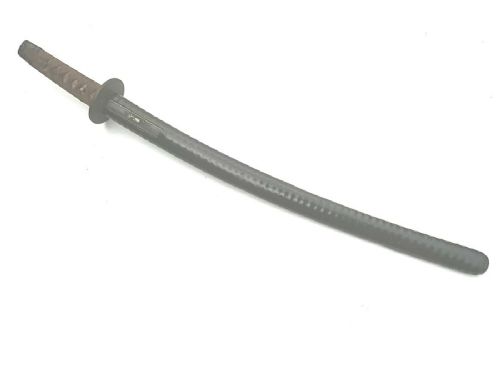
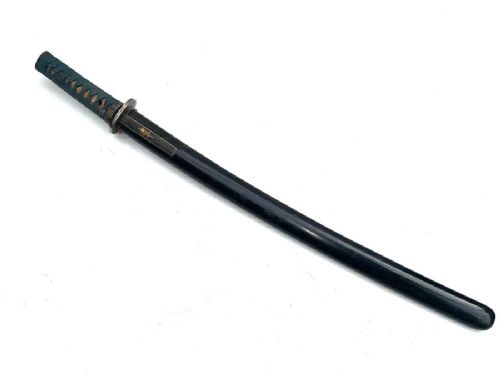
Japanese Wakizashi Sword
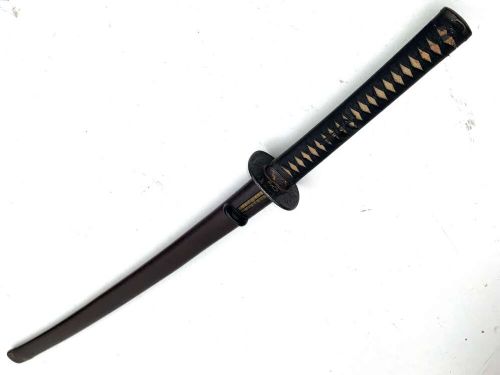
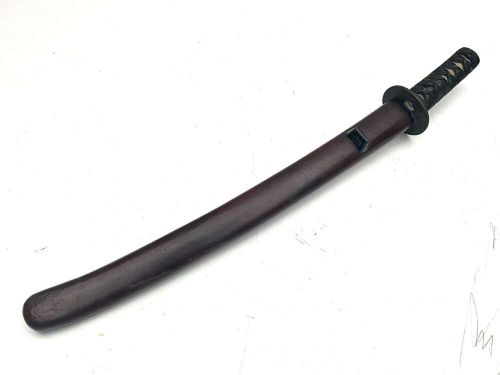
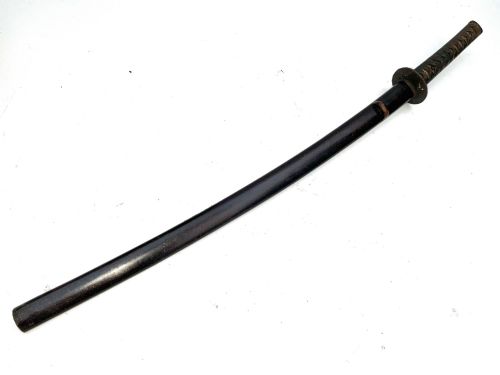
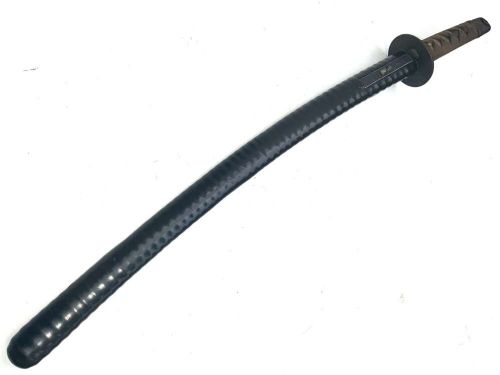
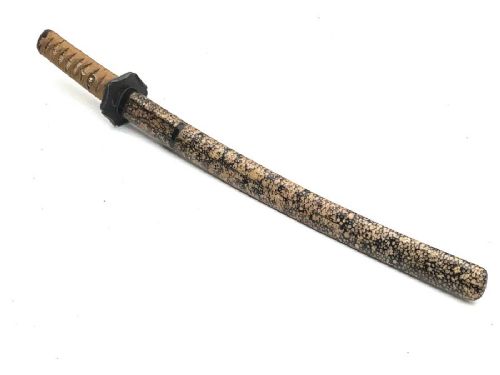
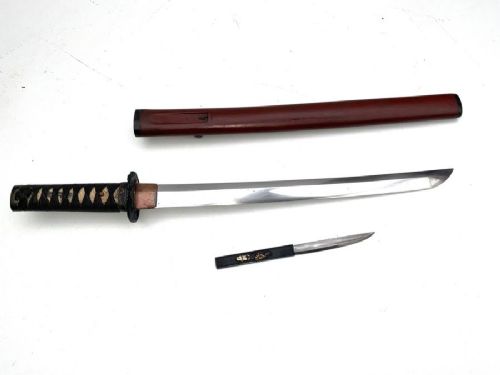
These japanese wakizashi sword pieces are traditional edged weapons forged from steel, housed in wood and lacquer mounts, offering collectors a direct link to samurai history.
Japanese Wakizashi Sword
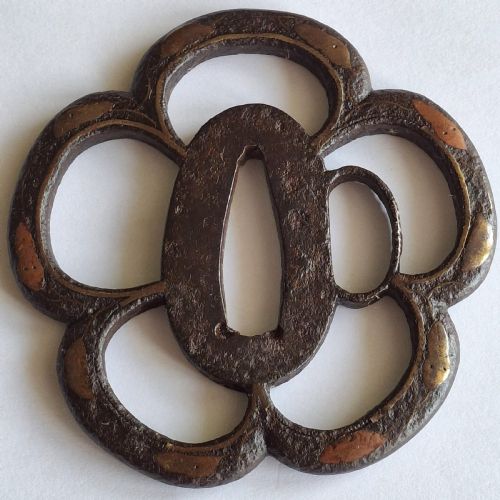
A japanese wakizashi sword is a short samurai blade associated with the Edo period and earlier feudal eras, designed as a companion to the longer katana. Buyers searching for a japanese wakizashi sword encounter historic edged weapons spanning the fourteenth century through to the twentieth century, including separate components like iron tsuba guards.
The pieces appearing on this page range from pre-sixteenth century examples and sixteenth century Koto swords to eighteenth century mountings and twentieth century family mounts with signed blades. Most frequently, a buyer meets items originating from the Edo period alongside general Japanese traditional swords and edged weapons.
Forms vary from complete short swords with family mounts to individual sword guards made of iron with copper inlay. The historical scope covers multiple centuries of Japanese metalwork, reflecting both functional combat origins and later traditional craftsmanship.
Materials and construction
Construction relies primarily on forged steel for the blades, complemented by iron for components such as the tsuba guard. Artisans integrated copper inlay work into the iron guards to provide decorative contrast.
Mountings and scabbards utilise wood finished with lacquer, often wrapped in ray skin, rayskin and cord. These traditional organic materials secure the grip and protect the blade while maintaining the orthodox Japanese aesthetic.
Japanese Wakizashi Sword Retail Price Guide 2026
Typical asking prices for japanese wakizashi sword among the pieces listed under this phrase on Sellingantiques today, from the lower quarter to the upper quarter. They describe what is for sale here now, not the wider market.
Samurai reportedly kept their short swords close even indoors, proving that good things really do come in compact, steel-wrapped packages.
Assessing quality in japanese wakizashi sword pieces
Quality rests upon the preservation of the steel blade and the integrity of the period mounts. Examples featuring signed blades command distinct interest compared to unsigned or unmounted pieces.
The refinement of auxiliary elements, such as iron tsuba guards with precise copper inlay, demonstrates the skill of the metalworker. Finer pieces maintain original lacquer, ray skin and cord bindings in a state that reflects careful historical preservation.
The Japanese Wakizashi Sword Glossary
- Wakizashi
- A traditional Japanese short samurai sword used as a companion weapon to the katana during the feudal era. It was often worn alongside the longer blade by members of the samurai class.
- Koto
- A term denoting old swords forged before the transition into the Shinto period, typically associated with traditional Japanese blade-making up to the sixteenth century.
- Edo Period
- The historical epoch in Japan spanning from the seventeenth to the nineteenth century under the Tokugawa shogunate. This era produced many of the traditional sword mountings and guards seen today.
- Ray skin
- The textured skin of marine rays utilised to wrap the grip of Japanese swords beneath cord bindings. It provides a secure hold for the hand.
Japanese Wakizashi Sword: Frequently Asked Questions
What is a japanese wakizashi sword?
A japanese wakizashi sword is a traditional short edged weapon historically carried by samurai warriors. These pieces functioned as secondary weapons alongside the primary battlefield katana.
Today, collectors encounter these swords complete with historic mounts or as individual components like iron guards. They represent centuries of traditional Japanese metalwork and military culture.
How do I date a japanese wakizashi sword?
Dating relies on examining the characteristics of the steel blade, the signature if present, and the style of the mountings. Pieces range from pre-sixteenth century examples through the Edo period up to twentieth century family mounts.
Stylistic shifts in sword guards, lacquer work and ray skin wrappings also offer clues to the period of origin. Comparing the construction methods helps place an item within its historical timeframe.
What materials make up a japanese wakizashi sword?
The core components are forged steel for the blade and iron for the tsuba guard. Copper is frequently utilised for inlay work on the guards.
Mountings incorporate wood finished with lacquer, ray skin or rayskin, and cord bindings. Each material serves both a structural and a traditional decorative purpose in Japanese sword assembly.
How were these swords used?
Samurai warriors utilised the wakizashi as a close-quarters weapon and a companion to the main katana. It was permitted to be worn indoors where longer swords were prohibited.
These weapons also served as symbols of status and authority within the Japanese feudal hierarchy. Over time, many were preserved as family heirlooms with specialised mounts.