





Japanese Style Wall Plates
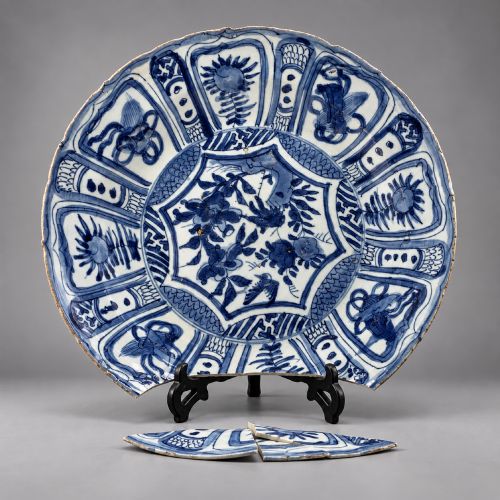
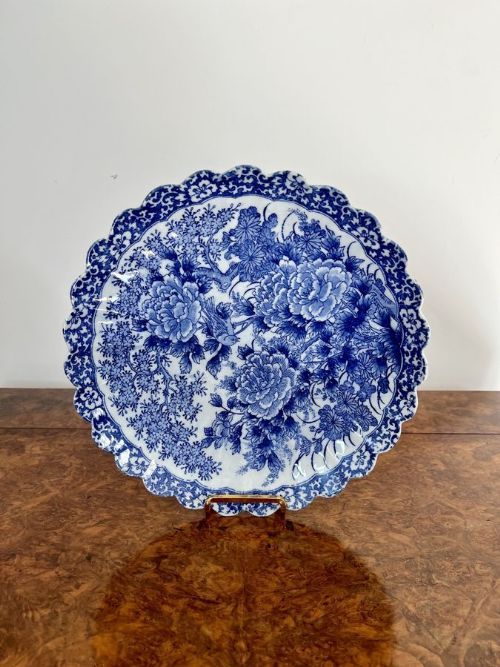
Japanese style wall plates bring vibrant colour and intricate pattern to a room, ranging from blue and white porcelain chargers to inlaid metal plaques.
Japanese Style Wall Plates
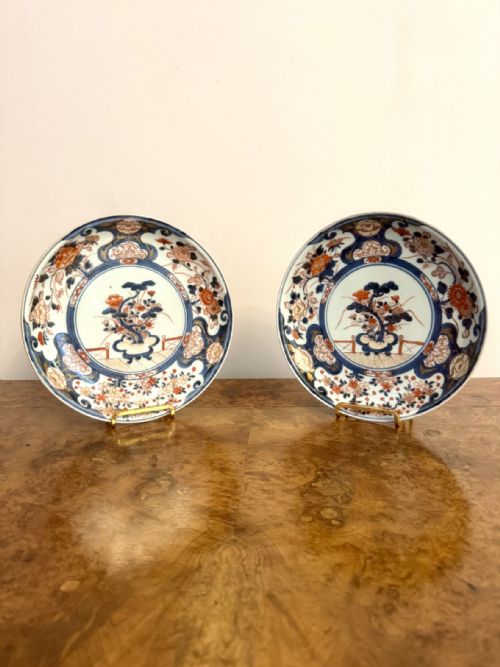
When you search for japanese style wall plates, you encounter a selection of decorative ceramics, porcelain chargers, and metal plaques spanning the nineteenth and early twentieth centuries. These objects reflect a lasting European and British fascination with Eastern design, merging domestic manufacturing traditions with distinct aesthetic influences.
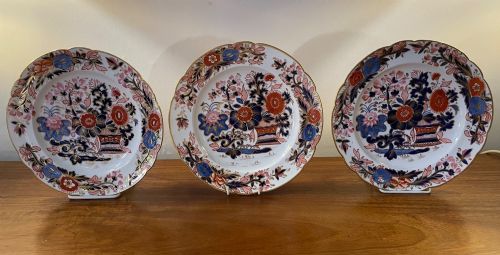
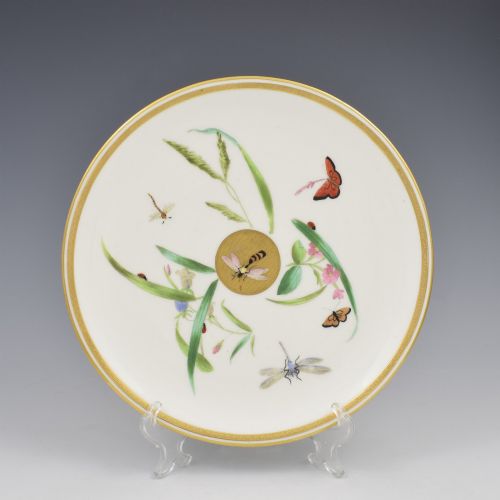
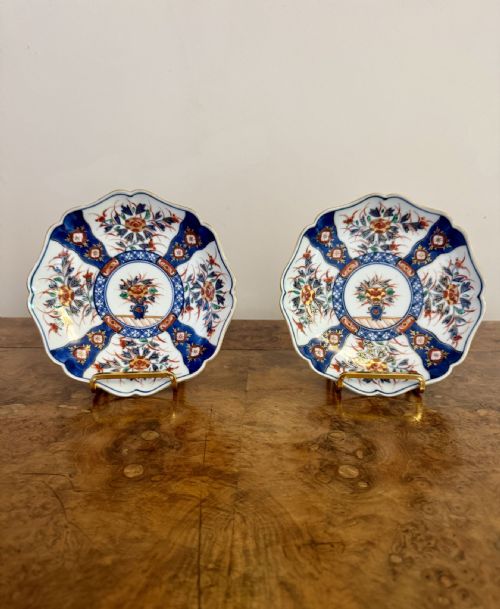
The most common examples on this page are Japanese Imari plates and chargers produced around nineteen hundred, alongside British interpretations from makers such as Mintons. You will also find patinated iron, brass, lacquer, and Staffordshire earthenware created across the Victorian and Edwardian periods.
Forms vary from scalloped and hexagonal shapes to large circular chargers, oval dishes, and fan-shaped plates. Some pieces are intended strictly for wall display, while others function as cabinet plates or decorative dessert services.
How they were made
Makers utilised porcelain and earthenware as the primary ceramic bodies, applying cobalt underglaze, enamel colours, and gilding to create rich surface decoration. Hand-painted details frequently incorporate gold leaf and intricate motifs drawn from traditional Japanese art.
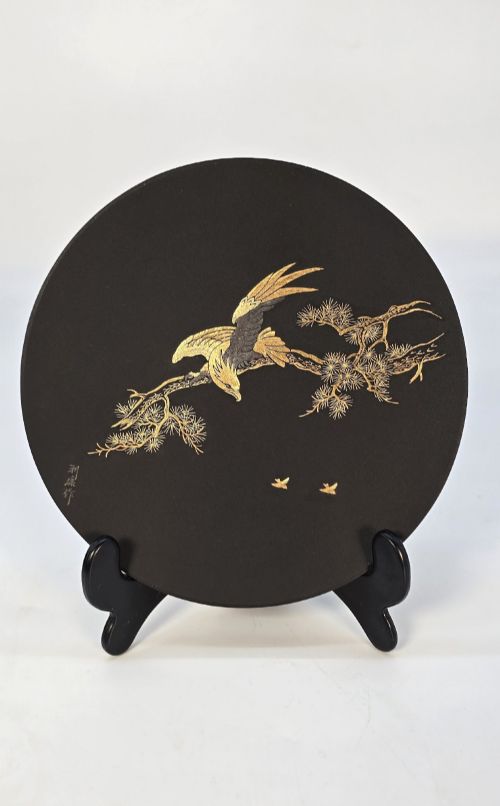
Metal items employ patinated iron, brass, and mixed-metal inlay techniques involving gold and silver, particularly seen in Komai style work from the Meiji period. Lacquer is also utilised for wall plaques, providing a deep, polished surface finish.
Ceramic pieces often bear specific date marks or period signatures beneath the glaze, whilst metal plaques rely on surface tooling, hammering, and metal inlay to build texture and contrast.
The listings feature ceramics and metalwork spanning the nineteenth century, the Victorian era, and the Edwardian period.
What varies in quality
The finesse of the hand-painted brushwork separates standard production items from exceptional examples. Superior pieces display precise control in cobalt underglaze and crisp application of enamel and gilding.
Material complexity also distinguishes the range, such as mixed-metal inlay on patinated iron or intricate lacquer work compared to standard ceramic printing. The depth of colour and the preservation of gold leaf significantly influence the visual impact of each charger or plate.
The Japanese Style Wall Plates Glossary
- Imari
- A style of Japanese porcelain decorated in underglaze blue, iron red, and gold. This palette became widely copied and adapted across European ceramic factories during the nineteenth century.
- Charger
- A large decorative plate intended for display on a wall or sideboard rather than for dining use. These items measure larger than standard dinner plates.
- Aesthetic Movement
- A late nineteenth-century British design movement that emphasised visual beauty over narrative or moral content. It drew heavy inspiration from Japanese art and culture.
- Cobalt Underglaze
- A blue pigment applied to ceramic bodies before glazing and firing. This technique ensures the colour remains permanent and protected beneath a glossy finish.
- Komai Style
- A method of metalworking originating in Kyoto, featuring intricate gold and silver inlay set into a dark, patinated iron background. It is frequently found on Meiji period decorative plaques and dishes.
Japanese Style Wall Plates: Frequently Asked Questions
How were Japanese style wall plates displayed?
These pieces were typically hung on walls using specialist wire plate hangers or displayed upright on mantels and cabinets. Large chargers were designed specifically to command visual attention as central focal points in reception rooms.
In British homes influenced by the Aesthetic Movement, grouping mixed plates created balanced decorative wall arrangements. Smaller dishes often sat on sideboard ledges or dedicated display stands.
What is the difference between Imari and blue and white plates?
Imari pieces utilise a tripartite colour scheme of underglaze blue, vibrant iron red, and supplementary gilding. This creates a rich, polychrome surface appearance.
Standard blue and white pieces rely solely on cobalt pigment applied beneath the glaze. They offer a cooler, more restrained tonal contrast compared to the warmth of Imari decoration.
How do I identify a nineteenth century piece?
Nineteenth century ceramics often display period manufacturer marks, registration numbers, or specific factory stamps on the reverse. Hand-painted brushwork and tactile glaze characteristics also indicate earlier production methods.
Weight, body density, and the composition of the foot ring provide further clues regarding age. British interpretations frequently carry ceramic date ciphers unique to their makers.