





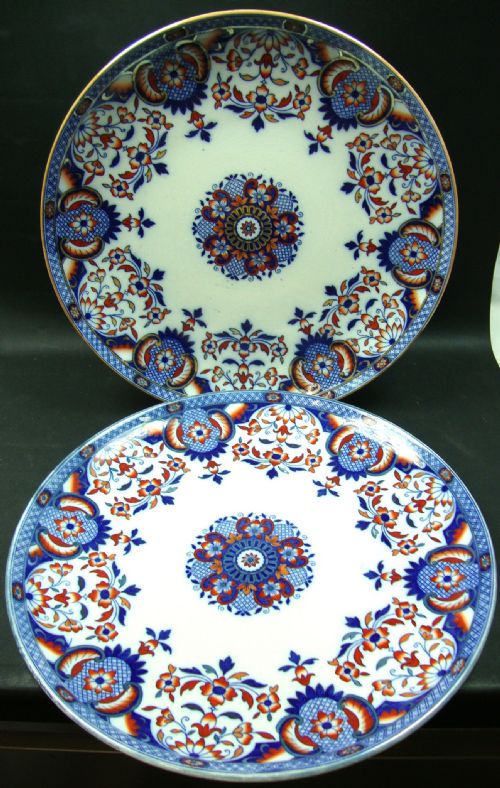

Japanese Pottery Charger
A japanese pottery charger brings intense colour and detailed pattern to a room, offering a focal point for a wall or table.
Japanese Pottery Charger
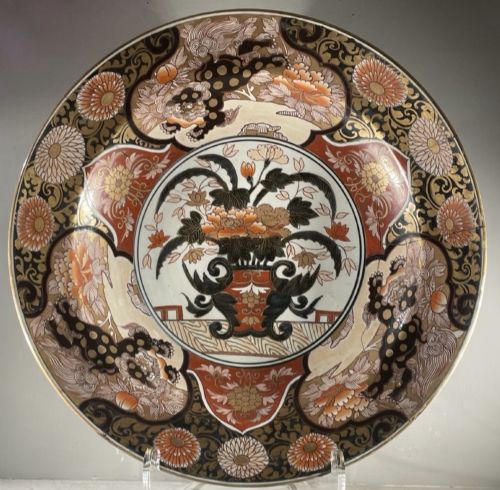
A japanese pottery charger stands as a large decorative plate or platter designed primarily for display rather than dining. When exploring japanese pottery charger options, you encounter substantial ceramic pieces originating from the nineteenth and early twentieth centuries.
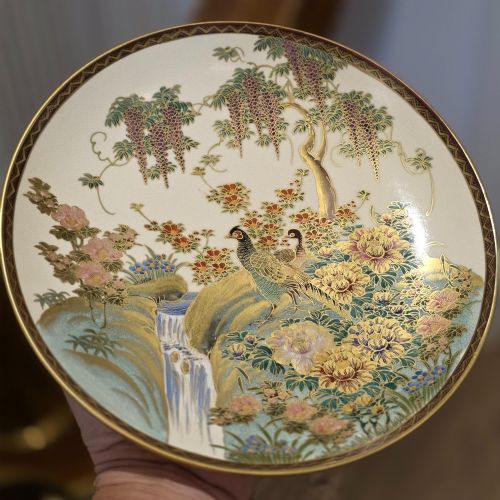
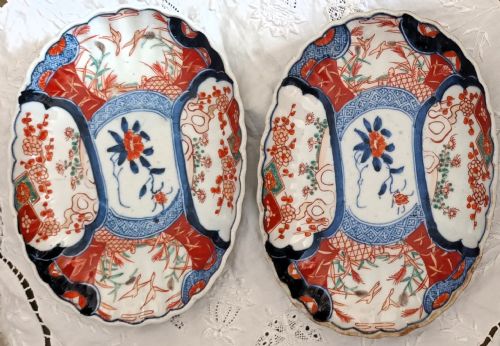
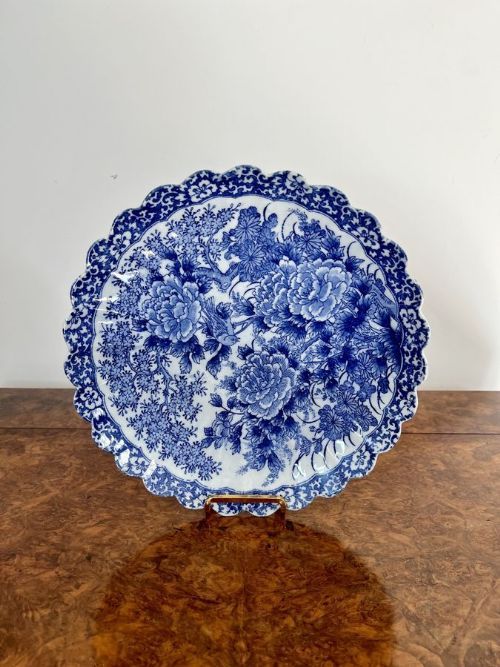
The selections on this page lean heavily towards Imari wares and Satsuma dishes from the Meiji period, alongside blue and white porcelains. These items range from shallow dishes to large round ceramic chargers decorated with birds and traditional motifs.
Aboriginal forms also include scalloped edge plates and paired decorative plates that showcase the rich heritage of Japanese ceramic production. Buyers frequently find pieces that date from the nineteenth century up to nineteen-ten.
Materials and methods
Potters utilised fine porcelain and earthenware as the foundational body for these vessels, shaping them into broad plates and chargers. Cobalt pigment provided the deep blue tones under the glaze, while enamel added vibrant multi-coloured layers.
Gilt and gold leaf were applied to highlight specific details within the intricate painted designs, particularly on Satsuma ware. Firing techniques achieved durable ceramic surfaces finished with clear or coloured glaze to protect the underlying artistry.
Japanese Pottery Charger Retail Price Guide 2026
Typical asking prices for japanese pottery charger among the pieces listed under this phrase on Sellingantiques today, from the lower quarter to the upper quarter. They describe what is for sale here now, not the wider market.
Listings feature ceramics spanning the nineteenth century through to nineteen ten, including porcelain and earthenware bodies.
Judging quality
Quality rests upon the precision of the hand-painted brushwork and the clarity of the cobalt blue or enamel pigments. Superior examples display balanced composition and finely detailed motifs, such as exotic birds, without blurring or misregistration.
The refinement of the ceramic body and the even application of the glaze distinguish standard production from exceptional pieces. Artisanal skill shines through in the delicate application of gold leaf and the crisp definition of moulded edges.
Koshida·Mintons
The Japanese Pottery Charger Glossary
- Imari
- A traditional style of Japanese export porcelain characterised by a palette of cobalt blue, iron red, and gold. This style originated in Arita and became widely popular in Europe during the nineteenth century.
- Satsuma
- A type of Japanese pottery with a pale, ivory-coloured cracked glaze that serves as a canvas for elaborate enamel and gilt decoration. These pieces were frequently produced for export during the Meiji period.
- Meiji Period
- The era in Japanese history spanning from eighteen sixty-eight to nineteen twelve, marked by extensive international trade and the production of highly detailed decorative arts. Pieces from this time often exhibit exceptional technical mastery.
- Cobalt Pigment
- A metallic colourant used beneath the glaze to produce deep, permanent blue designs on ceramic wares. It withstands high firing temperatures without losing intensity.
- Charger
- A large ornamental plate used traditionally for display on a sideboard or wall rather than for serving food. These items provide a wide surface area for complex pictorial narratives.
Japanese Pottery Charger: Frequently Asked Questions
How were japanese pottery charger pieces displayed historically?
These large ceramic platters were typically stood on wooden display stands or hung upon walls using specialised wire hangers. Their generous scale allowed them to serve as striking decorative centrepieces within domestic interiors.
Collectors continue to utilise similar methods today, placing them on mantelpieces, sideboards, or walls where the detailed enamel and gold leaf catch the light.
What is the difference between Imari and Satsuma?
Imari wares consist of hard porcelain decorated in cobalt blue, iron red, and gilt, featuring crisp geometric and floral patterns. They offer a durable structure and a bright, glossy finish.
Satsuma pieces utilise an earthenware body covered in a finely crackled ivory glaze, painted with dense figurative scenes and heavy gold detailing. They provide a softer texture and a more pictorial aesthetic.
How do I date a Meiji period charger?
Dating relies on stylistic markers, potting techniques, and occasional workshop signatures or stamps found on the reverse of the ceramic. The Meiji period spans from eighteen sixty-eight to nineteen ten, a timeframe characterised by rapid evolution in export ceramics.
Comparing the complexity of the enamel work and the presence of specific kiln marks helps narrow down the production era.
Are these plates suitable for everyday dining?
These ceramic chargers and large dishes are intended strictly for decorative display rather than culinary use. The delicate enamel, gilt highlights, and historic earthenware bodies can be damaged by cutlery or frequent washing.
Handling them with care ensures the preservation of the nineteenth-century pigments and glaze surfaces.