


Japanese Porcelain Sculpture
When you handle a Japanese porcelain sculpture, you hold centuries of kiln mastery shaped into deities, animals, and attendants.
Japanese Porcelain Sculpture
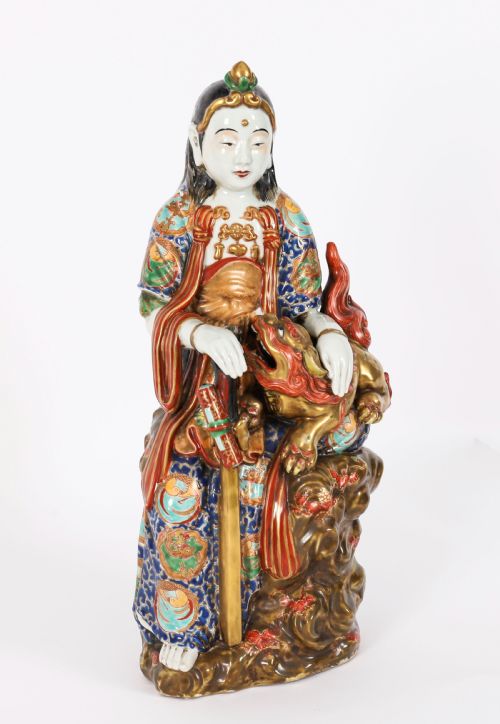
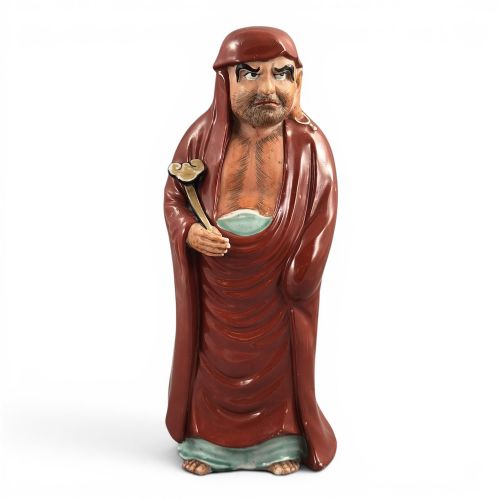
A japanese porcelain sculpture brings traditional forms such as Guanyin, Daruma, and guardian lions into domestic display. These pieces range from compact okimono to substantial figures modelled during the Meiji and Edo periods.
You will frequently encounter Kutani and Satsuma wares on this page, alongside delicate Hirado porcelain figures of animals and deities. Figures such as Kannon, Jurojin, and Hotei appear regularly across the nineteenth and early twentieth centuries.
Makers shaped these works to serve both sacred and secular roles in Japanese interiors, adapting traditional iconography for international and domestic collectors alike.
Assessing Quality and Execution
The precision of the enamel work and the application of gold leaf dictate the visual depth of the sculpture. Master hands achieved subtle facial expressions and balanced proportions that lesser workshops missed.
Listings span the eighteenth century to the Edwardian era, featuring materials such as gold leaf, cobalt underglaze, and polychrome enamel.
Makuzu Kozan II·Kizan
The Japanese Porcelain Sculpture Glossary
- Okimono
- A Japanese term for an ornamental object designed for display in an alcove or on a cabinet. These small-scale sculptures depict deities, animals, and figures from daily life.
- Kutani
- A style of Japanese coloured porcelain and earthenware noted for vibrant enamel palettes and dense gilding. It originated in Ishikawa Prefecture and flourished during the Meiji period.
- Satsuma
- A type of Japanese pottery and porcelain with a finely crackled ivory glaze decorated in polychrome enamels and gold. Production centred on Satsuma Province on Kyushu.
- Moriage
- A decorative technique where slip or enamel is applied in raised dots or lines to create a textured, three-dimensional surface on ceramic bodies.
- Karashishi
- A mythical guardian lion or dog traditionally depicted in Asian art to ward off evil spirits. Sculptors often render them with curly manes and muscular frames.
Japanese Porcelain Sculpture: Frequently Asked Questions
How do I date a Japanese porcelain sculpture?
Examine the stylistic markers, paste consistency, and enamel types against established periods like Edo and Meiji. Kiln marks and signatures can provide further clues to the decade of manufacture.
Changes in export regulations and trade ports after the opening of Japan also help narrow down the production era.
What is the difference between Kutani and Satsuma figures?
Kutani pieces are typically hard-paste porcelain decorated with vibrant greens, reds, and gold enamel. Satsuma items often feature a characteristic ivory-coloured crackle glaze painted with elaborate polychrome scenes.
Both styles produced fine figures and okimono during the nineteenth century.
How should I clean my antique porcelain figure?
Dust the sculpture gently with a soft, dry brush to prevent the accumulation of grit in crevices and detailed enamel work. Avoid using water, detergents, or chemical solvents on gilded or enamelled surfaces.
Periodic inspection with adequate lighting is sufficient for routine maintenance.
Where were Hirado porcelain sculptures made?
Hirado figures were produced at the Mikawachi kilns in Hizen province under the patronage of the Matsuura clan. These works are renowned for their brilliant white porcelain body and meticulous carving.
They frequently depict animals, children, and mythical beasts with great naturalism.