



Japanese Okimono Statue
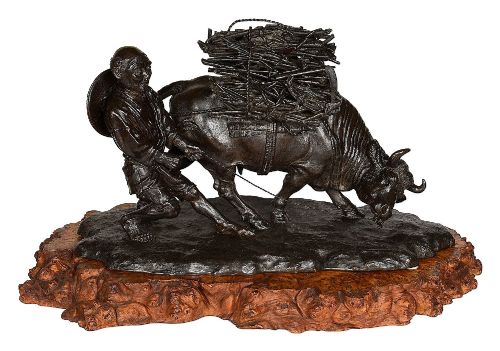
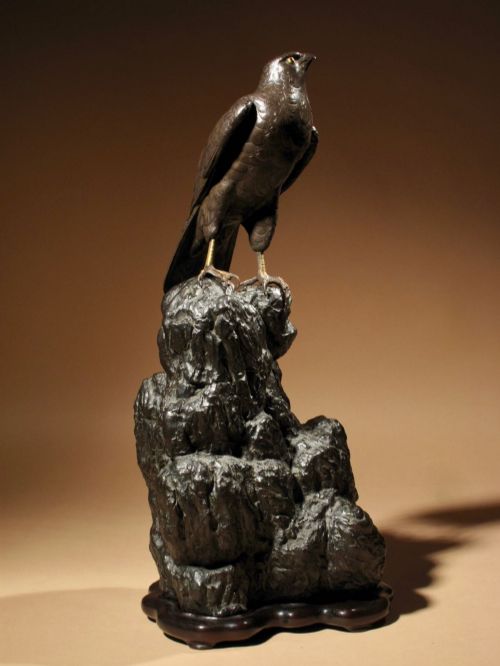
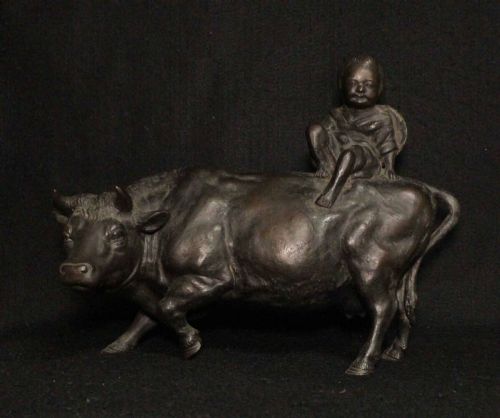
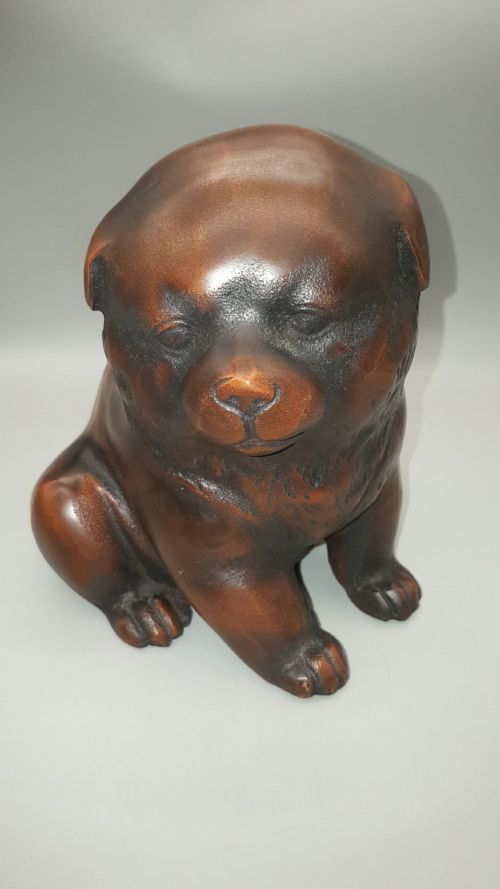
These japanese okimono statue listings bring together finely worked sculptures from the Meiji, Edo, and Showa periods created for display.
Japanese Okimono Statue
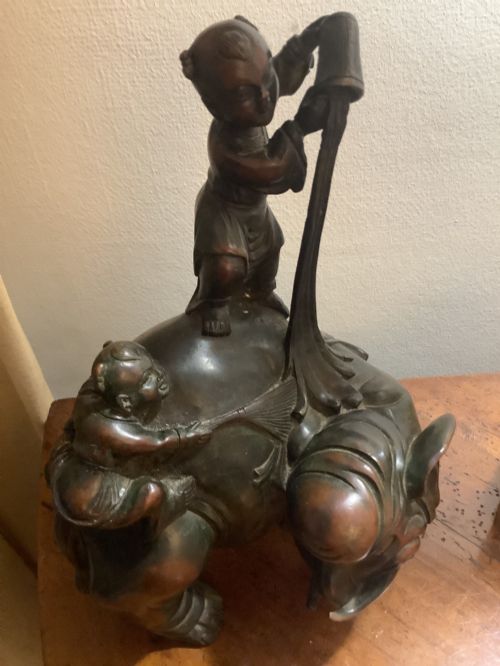
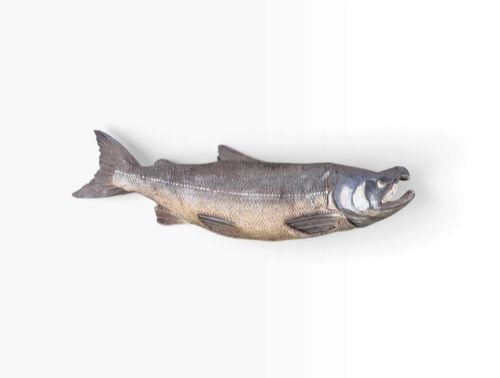
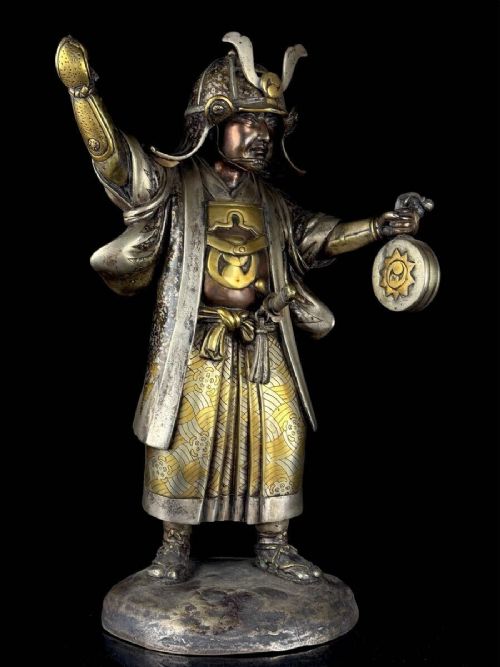
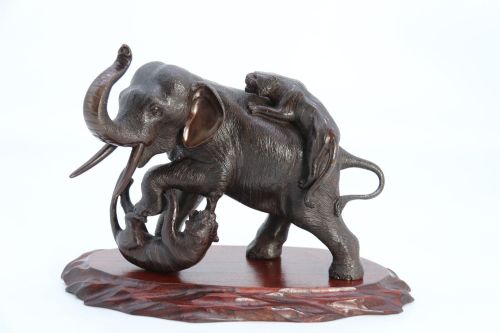
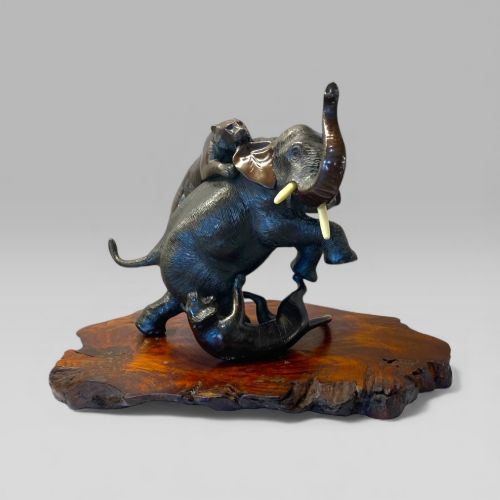
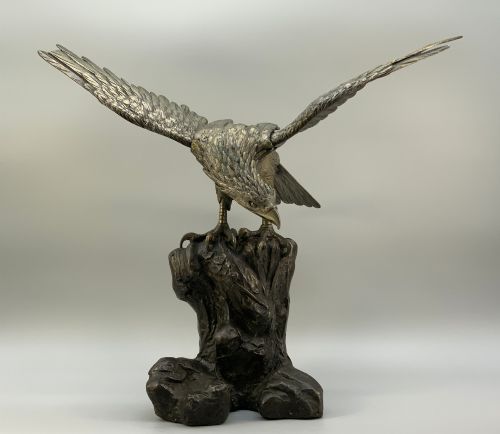
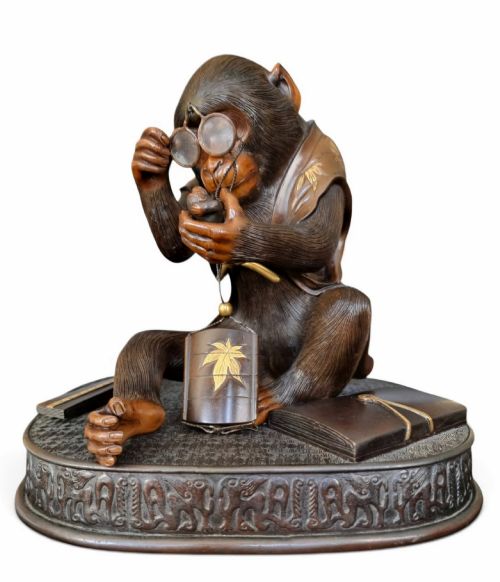
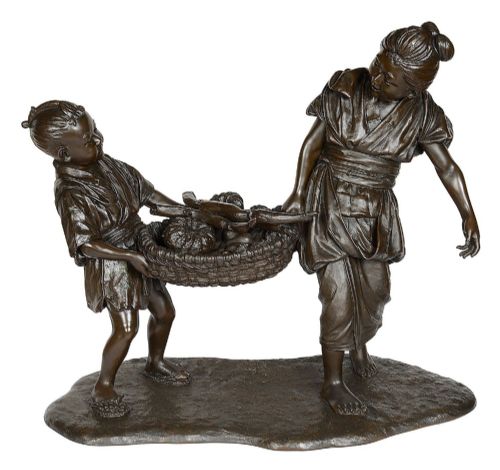
When searching for a japanese okimono statue, a buyer encounters freestanding decorative sculptures designed for interior display rather than religious worship. The pieces seen here span the 19th century, Edwardian era, and early 20th century, capturing subjects ranging from animals and figures to mythological subjects.
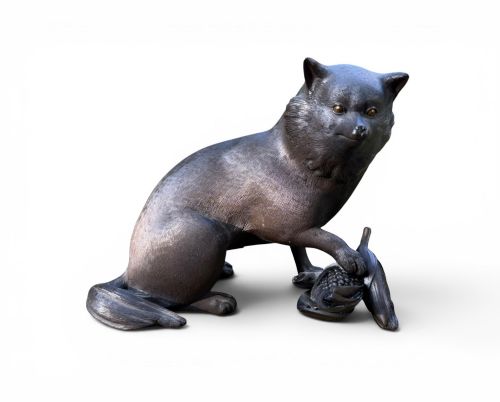
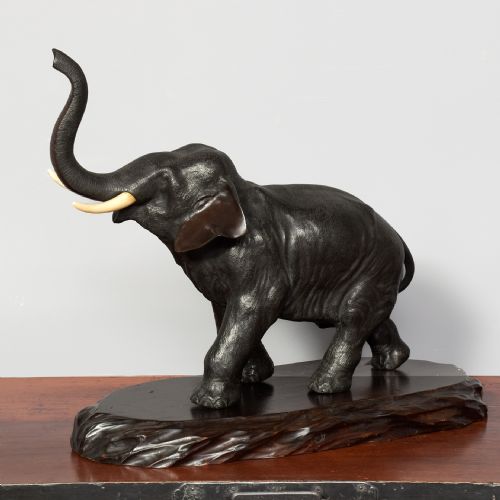
Bronze forms dominate the selection, alongside wood, porcelain, lacquer, and iron examples. Figures include scholars, wrestlers, deities such as Daikoku and Ebisu, and animals including elephants, tigers, monkeys, and birds, reflecting both natural observation and traditional folklore.
How They Were Made
Metal sculptures utilise lost-wax casting in bronze, patinated bronze, and iron, often enriched with gold inlay, gold leaf, and shakudo details. Artisans combine mixed-metal techniques to render textures like feathers, fur, and skin with precision.
Carved pieces employ boxwood and hardwoods, shaped with hand tools to define facial expressions and garments. Porcelain and pottery examples utilise traditional ceramic bodies from kilns such as Kutani and Mikawachi, finished with glazes and enamel.
Japanese Okimono Statue Retail Price Guide 2026
Typical asking prices for japanese okimono statue among the pieces listed under this phrase on Sellingantiques today, from the lower quarter to the upper quarter. They describe what is for sale here now, not the wider market.
Several bronze statues immortalise tiny creatures, including a rhinocerous beetle and a tarantula spider.
What Varies in Quality
Execution of detail separates standard works from masterworks, visible in the articulation of musculature, fur, and anatomical precision in animal and human figures. Surface patination and the subtlety of mixed-metal inlay contribute significantly to the visual impact.
Signature and foundry marks indicate workshop origin and maker standing, reflecting the skill of recognised metalworkers, carvers, and ceramicists. Proportions, balance on naturalistic bases, and overall structural integrity determine the success of large garden statuary and smaller cabinet pieces alike.
Jomi Eisuke·Tsunemitsu·Shosai·Kaniya Kuniharu·Makuzu Kozan II·Tomochika·Mikawachi Kilns·Seiunsai Miyamoto Sei·Unno Shomin·Gyoko·Maruki Company
The Japanese Okimono Statue Glossary
- Okimono
- An ornamental object or statue designed for display on a shelf, tokonoma alcove, or table. These standalone pieces focus on decorative and artistic appeal rather than ritual function.
- Meiji Period
- The era of Japanese history spanning from 1868 to 1912, characterised by opening trade and exceptional mastery in metalwork and carving. Most bronze and wood sculptures originate from this time.
- Shakudo
- A traditional Japanese billon alloy of copper and a small percentage of gold, treated to develop a dark purple-black patina. It appears frequently in mixed-metal decorative accents.
- Edo Period
- The period preceding the Meiji era, running from 1603 to 1867, represented in early wood and porcelain works. Pieces from this transition reflect traditional domestic aesthetics.
- Satsuma
- A type of earthenware pottery with a fine ivory crackle glaze, often decorated with polychrome enamels and gold. It appears on figural and deity statues.
Japanese Okimono Statue: Frequently Asked Questions
What is an okimono statue?
An okimono is a Japanese decorative sculpture created for display in domestic interiors. Unlike ritual objects, these figures celebrate natural subjects, folklore, and daily life.
Craftsmen produced them in materials ranging from cast bronze and iron to carved wood, ivory, and porcelain during the 19th and early 20th centuries.
Where were okimono displayed?
Historically, these sculptures sat within the tokonoma display alcove of a Japanese home or upon low tables in receiving rooms. Smaller cabinet pieces sat independently on desks or shelves.
Larger bronze examples, including geese and dragons, served as garden statuary or courtyard ornaments.
How do I identify a Meiji period piece?
Meiji period works date between 1868 and 1912, an era when Japanese metalworkers and carvers reached peak technical proficiency. Look for naturalistic animal postures, detailed mixed-metal patination, and distinct artist signatures.
Many bronzes from this window combine realistic anatomical study with expressive character.
How should I clean bronze okimono?
Bronze sculptures require minimal intervention to preserve their historic patination. Dust gently with a soft, dry brush or microfiber cloth to remove surface particles.
Avoid liquid cleaners, polishes, or abrasive cloths, as these will strip the original patina and alter the metal surface permanently.