






Japanese Meiji Porcelain Plate
These Japanese meiji porcelain plate selections offer remarkable hand-painted detail and vibrant historic ceramic artistry.
Japanese Meiji Porcelain Plate
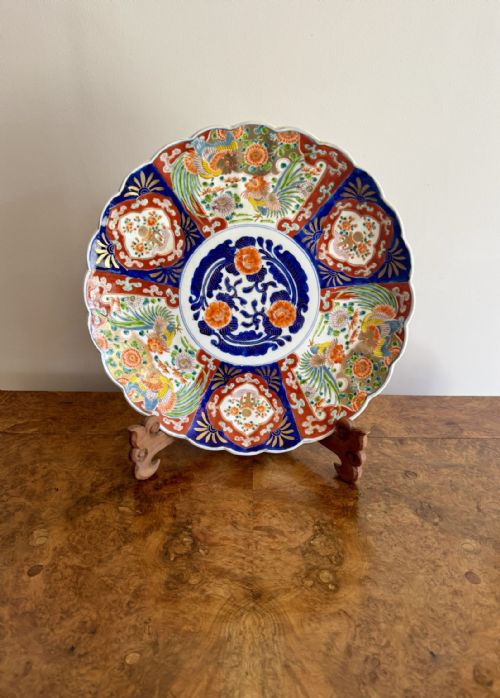
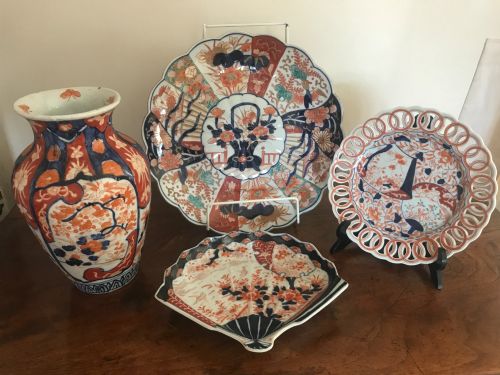
A japanese meiji porcelain plate represents the fine ceramic production of late nineteenth and early twentieth century Japan, encompassing the Victorian era up to the Taisho transition. Buyers searching this phrase encounter circular plates, large chargers, and shaped dishes intended for decorative display.
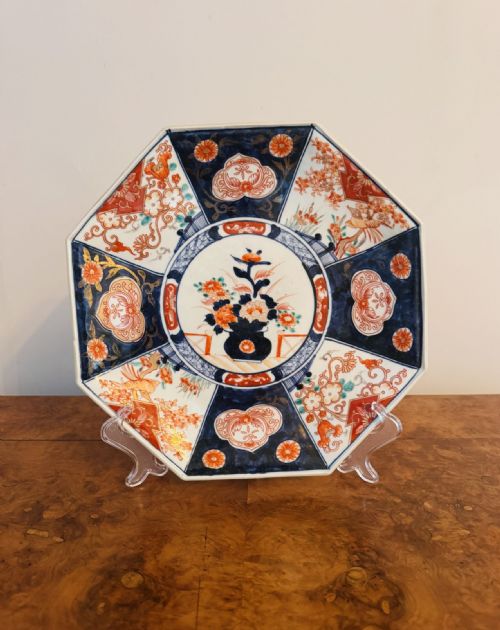
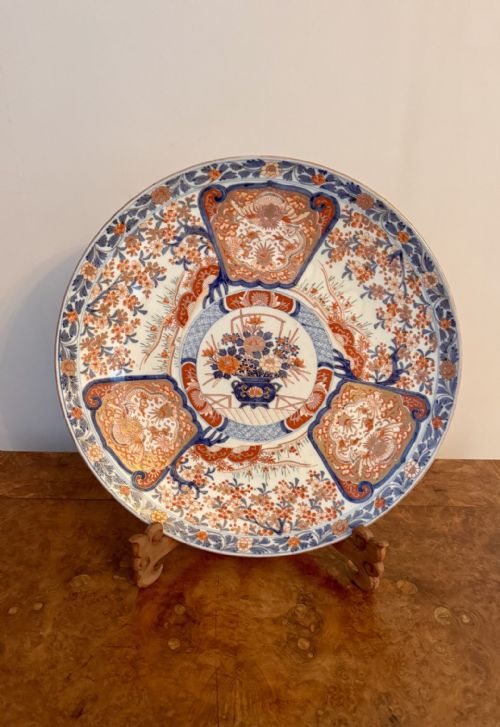
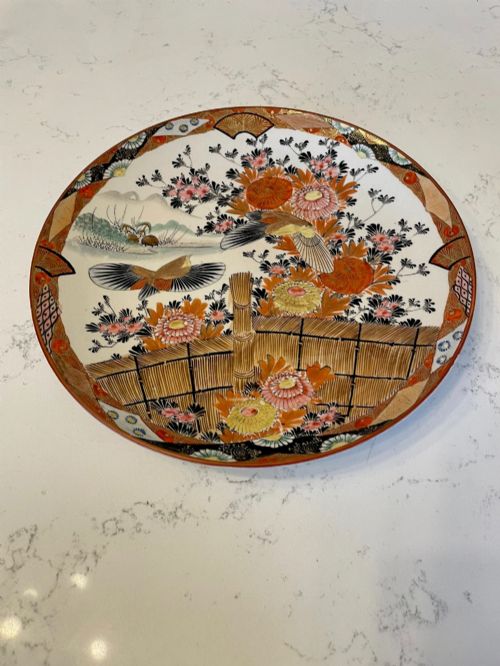
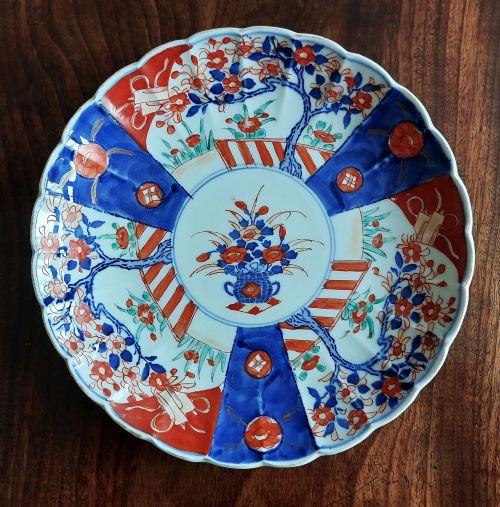
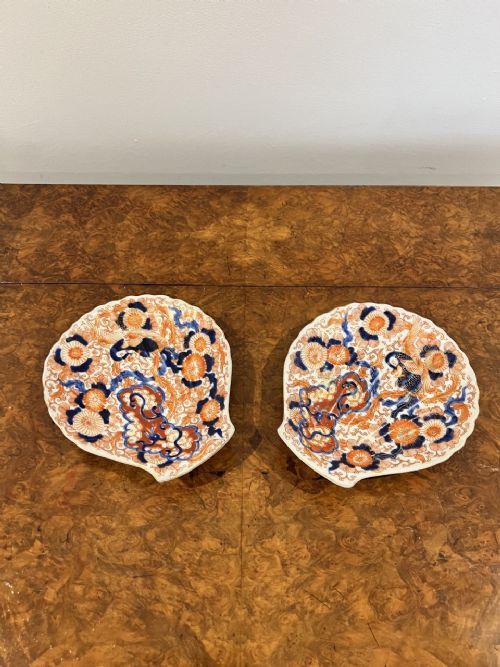
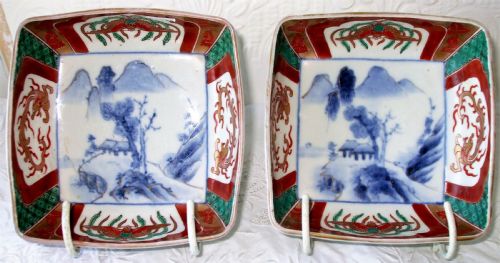
The objects on this page predominantly feature Japanese Imari patterns, alongside Kutani and Satsuma wares, originating from periods spanning the eighteen eighties through to nineteen twenty. Standard forms include scalloped edges, oval dishes, and large chargers decorated with floral and bird motifs.
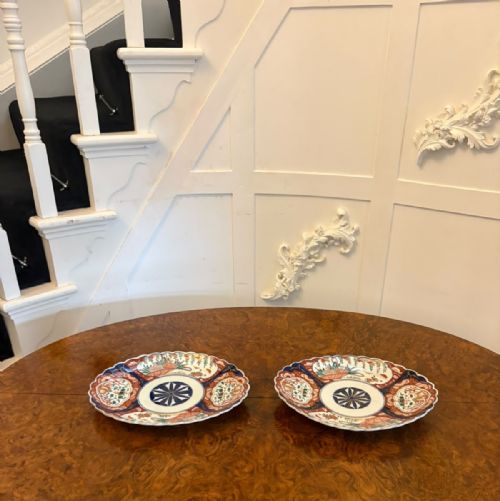
Edo and Meiji crossover periods appear frequently, connecting traditional firing techniques with export demands of the late nineteenth century. Collectors find individual items as well as matched pairs and sets originating from historic kilns.
How they were made
Potters utilised hard-paste porcelain and earthenware bodies, applying cobalt underglaze pigments before the initial kiln firing to secure deep blue tones. Artisans then added overglaze enamels and gold leaf highlights in subsequent low-temperature firings.
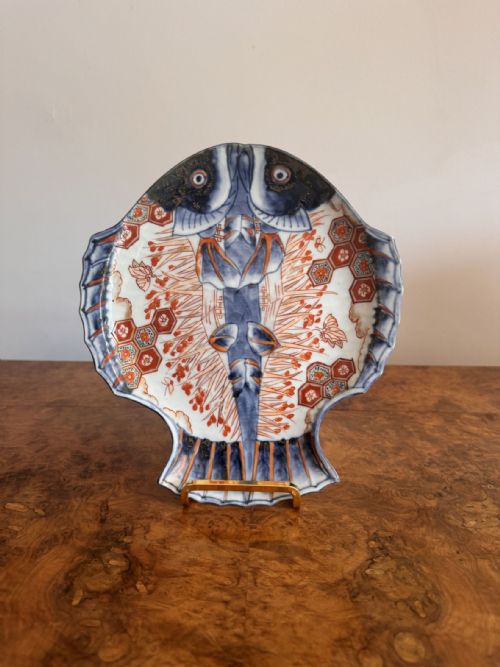
Surface decoration frequently incorporated intricate gilding and moriage relief work on top of the glaze, creating textured patterns of peonies, peacocks, and exotic birds. Kiln operators shaped pieces into fish, shell, square, and traditional round formats before hand-painting each design.
Listings feature periods spanning from eighteen fifty to nineteen twenty, including Victorian and Taisho overlaps.
What varies in quality
The refinement of the hand-painted brushwork distinguishes standard export ware from exceptional collector pieces, particularly in the precision of floral and avian motifs. Crisp cobalt underglaze lines and intact, unrubbed gold leaf or gilding indicate superior production standards.
Structural variety also influences the standing of a piece, with unusual moulded forms like fish or shell shapes commanding attention alongside large chargers. The clarity of the glaze and the complexity of the enamel layering separate ordinary items from those showing outstanding artistic ambition.
Koshida
The Japanese Meiji Porcelain Plate Glossary
- Imari
- A style of Japanese export porcelain characterised by a palette of cobalt blue, iron red, and gold. It originates from kilns around Arita and became popular in Europe during the Meiji period.
- Meiji Period
- The era in Japanese history spanning from eighteen sixty-eight to nineteen twelve, marked by the reign of Emperor Meiji and a surge in decorative arts exported abroad.
- Charger
- A large ornamental plate utilised primarily for display on walls or sideboards rather than for dining purposes. These pieces measure significantly larger than standard dinner plates.
- Moriage
- A decorative ceramic technique involving the application of raised slip or enamel dots and lines to create a tactile, three-dimensional surface pattern. It appears frequently on Satsuma wares.
- Cobalt Underglaze
- A blue pigment applied to the raw ceramic body prior to glazing and high-temperature firing, ensuring the colour remains permanent and protected beneath the glassy surface.
Japanese Meiji Porcelain Plate: Frequently Asked Questions
How were antique Japanese chargers displayed?
These large decorative plates were typically hung on walls or exhibited on sideboards using specialised display stands. Their substantial scale and vibrant enamel designs made them focal points in Victorian and Edwardian interiors.
Today, owners continue to display chargers in dining rooms and halls, though careful placement away from direct sunlight protects the delicate overglaze enamels and gold leaf highlights.
What is the difference between Imari and Kutani wares?
Imari porcelain relies on a distinctive palette combining cobalt blue underglaze with iron red and gold overglaze designs. The patterns frequently incorporate intricate floral and geometric panels.
Kutani ware, by contrast, often utilises bold monochromatic or polychromatic green, yellow, and purple enamel schemes, focusing heavily on pictorial scenes, birds, and figures.
How do I identify a Meiji period plate?
Meiji period plates date from eighteen sixty-eight to nineteen twelve, aligning with the reign of Emperor Meiji. Listings often reference this era alongside late nineteenth-century production dates.
Stylistic indicators include export-driven Japanese aesthetics, vibrant hand-painted enamels, and variations of Arita or Imari decorative traditions designed for international markets.
Can I use these antique plates for dining?
These fragile porcelain and earthenware items are intended for decorative display rather than daily culinary use. Overglaze enamels and gold gilding can wear down with food contact and washing.
Gentle dusting with a soft, dry cloth is the recommended method for maintaining the surface condition of antique dishes and chargers.