



Japanese Meiji Lacquer
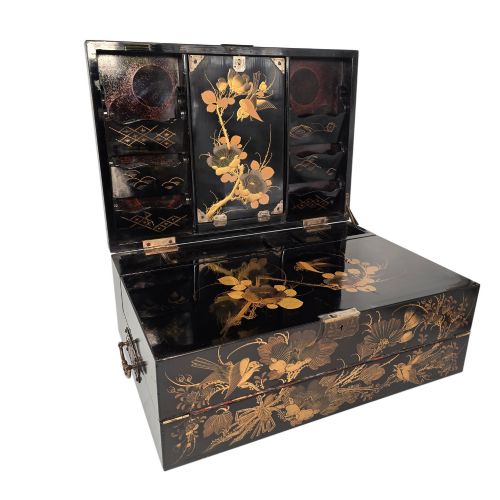
Japanese meiji lacquer brings intricate craftsmanship into a room, spanning delicate writing boxes, folding screens and grand display cabinets.
Japanese Meiji Lacquer
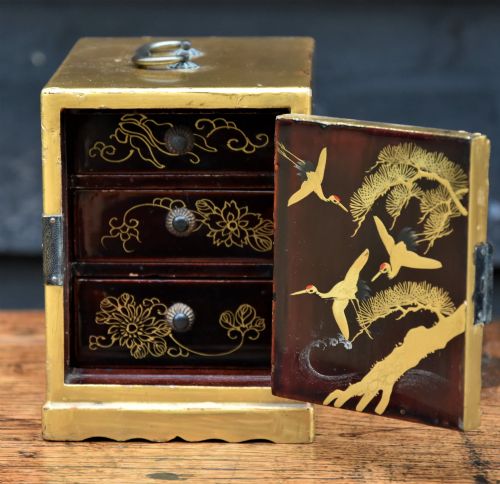
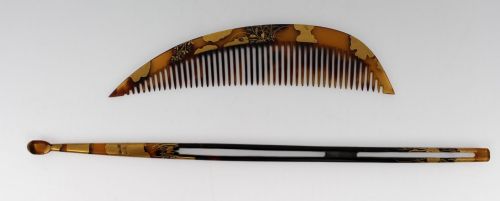
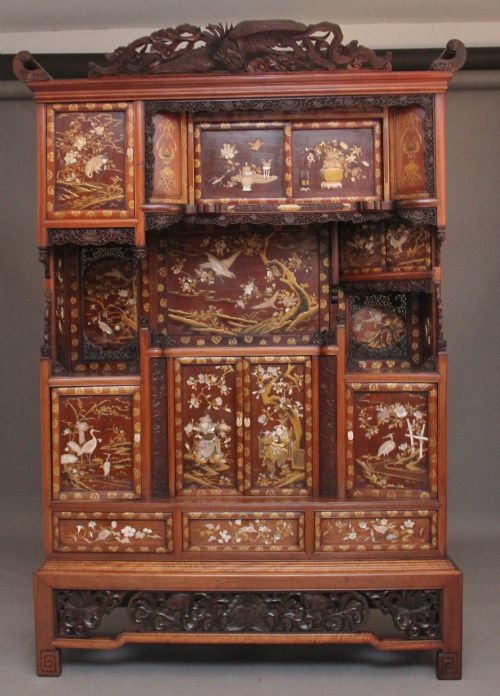
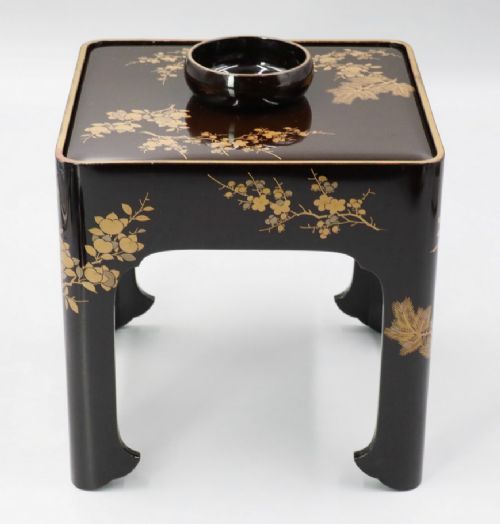
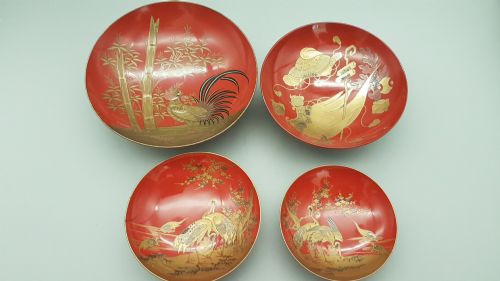
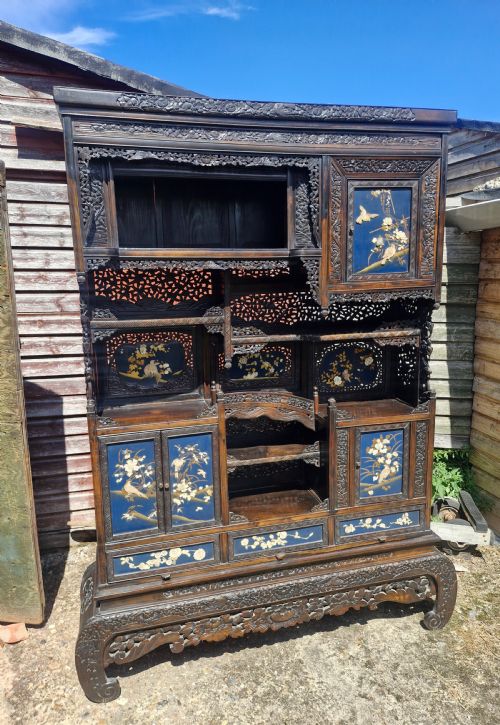
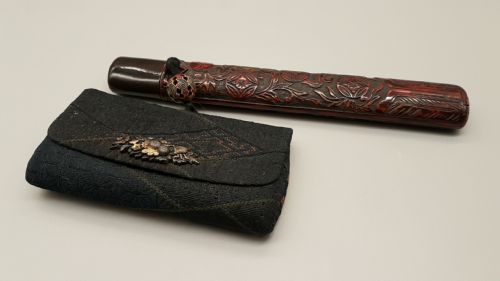
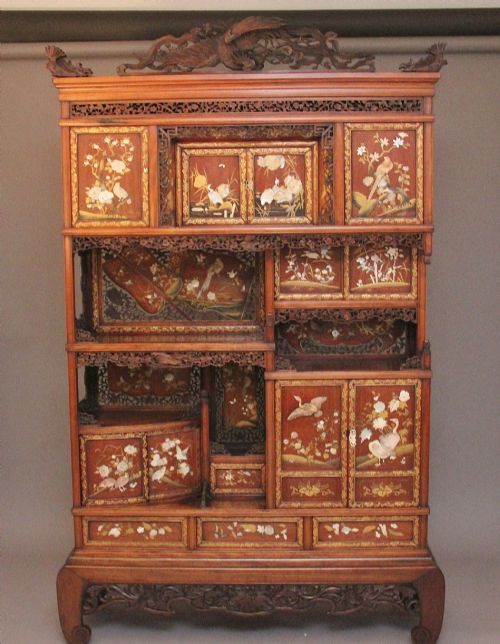
When you search for Japanese meiji lacquer, you encounter works produced during the late nineteenth and early twentieth centuries, encompassing the Meiji period and related nineteenth-century output. These pieces range from small writing boxes, sake cups and hair ornaments to large shodana cabinets, tansu chests and folding screens.
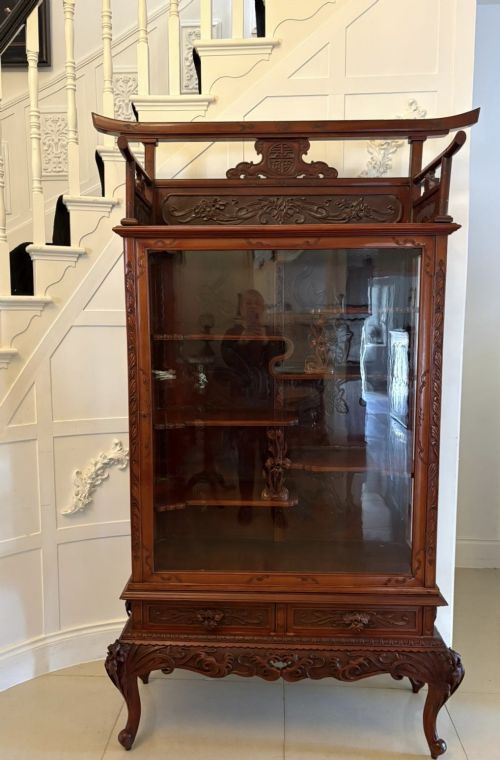
You are most likely to meet display cabinets, small keepsake boxes and lacquer panels on this page. The forms bridge traditional Japanese utility and export wares designed for Western interiors of the Victorian and Aesthetic periods.
How They Were Made
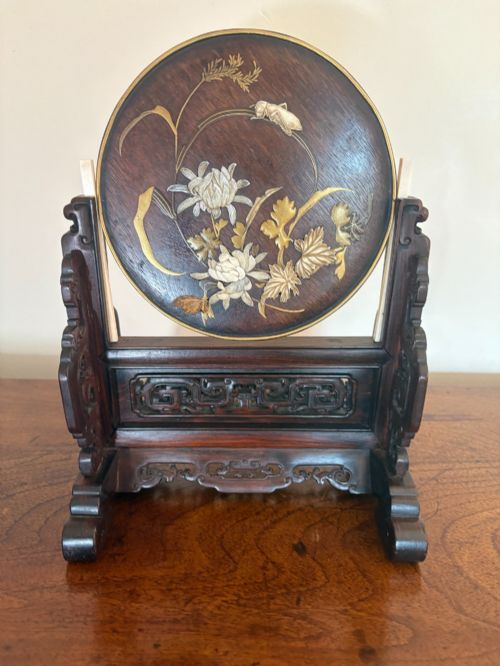
Maker construction relies heavily on wood, hardwood and elm as foundational structures, coated in layers of lacquer. Surfaces incorporate gold leaf, mother of pearl, bone and porcelain elements.
Techniques combine traditional black, red and carved tsuikoku lacquer with detailed Shibayama inlay and lacquer over black paint on porcelain vases and chargers.
Japanese Meiji Lacquer Retail Price Guide 2026
Typical asking prices for japanese meiji lacquer among the pieces listed under this phrase on Sellingantiques today, from the lower quarter to the upper quarter. They describe what is for sale here now, not the wider market.
Materials span organic elements like silk and bone alongside traditional lacquer, hardwood and porcelain.
What Varies in Quality
Quality rests in the precision of the surface finish and the complexity of the inlaid materials. Finer items demonstrate meticulous application of gold leaf and flawless integration of bone or mother of pearl.
The depth of carved lacquer, such as tsuikoku, and the structural integrity of larger shodana cabinets and tansu chests separate standard export items from masterworks.
Haruyama Shunzan·Iida Takashimaya Company
The Japanese Meiji Lacquer Glossary
- Meji Period
- The era in Japanese history lasting from 1868 to 1912, characterised by opening trade with the West. This period produced many of the decorative lacquer cabinets and boxes found today.
- Shodana
- A traditional Japanese display cabinet featuring asymmetrical shelving. These pieces often incorporate elaborate lacquer panels and intricate woodwork.
- Tsuikoku
- Carved black lacquer applied in thick layers before being carved with figures or landscapes. This technique creates tactile depth on small items like inro and boxes.
- Shibayama
- A style of inlay using delicate pieces of shell, ivory, bone and coral set into a lacquer or wood base. It appears frequently on panels and cabinets.
- Tansu
- A traditional mobile Japanese chest built from wood with metal fittings. Red lacquer examples combine utilitarian storage with striking decorative surfaces.
Japanese Meiji Lacquer: Frequently Asked Questions
What is a shodana cabinet?
A shodana is a Japanese display cabinet featuring asymmetrical shelving and compartments designed for ornaments. They range from tabletop versions to large floor-standing units.
These cabinets frequently incorporate lacquer panels, intricate woodwork and Shibayama inlay, making them focal points in nineteenth-century interiors.
How do I care for lacquer furniture?
Keep lacquer pieces away from direct sunlight and extreme temperature fluctuations to prevent the wood and lacquer from splitting. Dust gently with a soft, dry cloth.
Avoid chemical polishes and water, as moisture can damage the delicate surface layers and gold leaf accents over time.
What is a tsuikoku inro?
An inro is a small multi-tiered container traditionally suspended from a sash by a toggle. Tsuikoku refers specifically to carved black lacquer.
These pieces feature intricate figural or landscape scenes carved deeply into the layered black lacquer surface.
How do I identify Meiji period pieces?
Meiji period items date between 1868 and 1912, aligning with the reign of the Emperor Meiji. They often reflect the influence of Western export markets.
Look for characteristic materials like gold leaf, Shibayama inlay and lacquer applied to wood, porcelain or papier-mâché.