





Japanese Imari Set
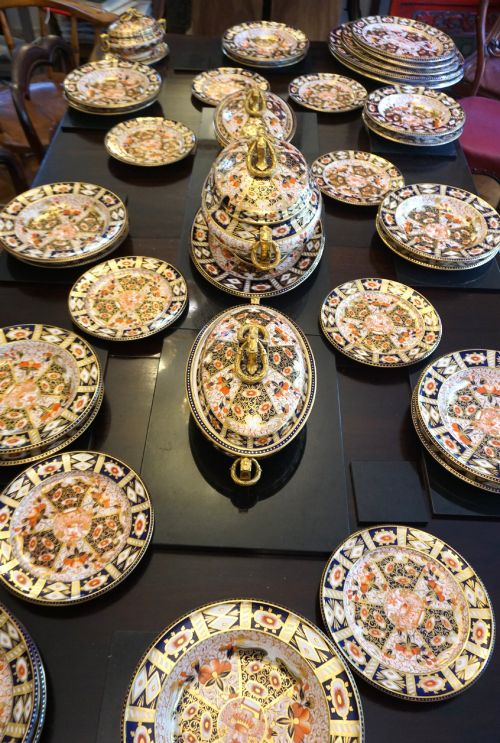
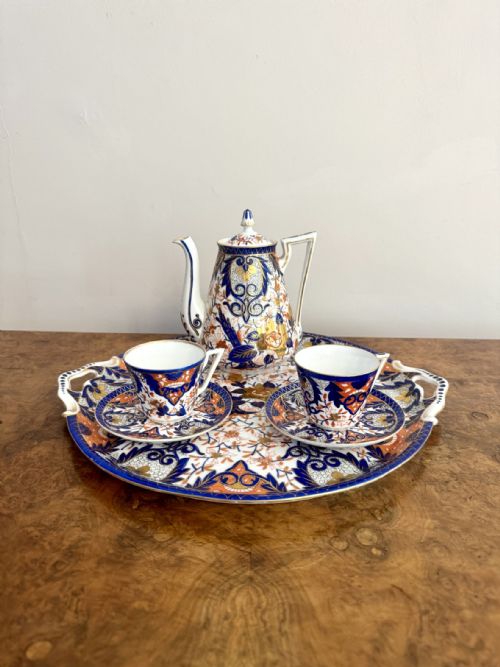
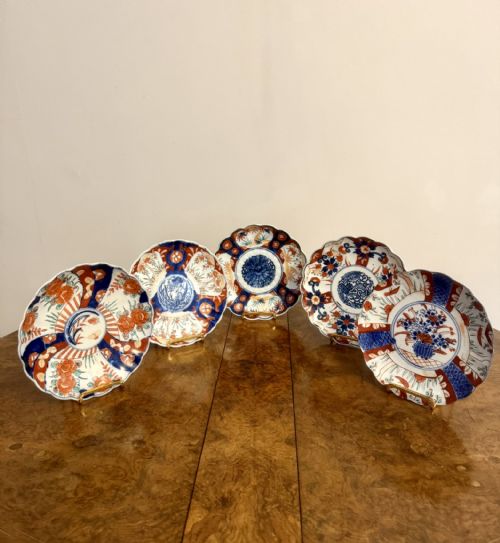
These japanese imari set pieces bring striking blue, iron-red, and gilt porcelain to a room, offering both traditional craftsmanship and decorative presence.
Japanese Imari Set
A japanese imari set brings together matching or coordinated ceramic items, most frequently encountered here as groups of plates, dishes, or vases.
The selections span various groupings such as collections of small plates, garnitures of vases, dinner services, and coffee sets.
Origins stretch from the late seventeenth century through the Edo and Meiji periods, alongside nineteenth-century European interpretations.
Materials and technique
The foundational material across these pieces is porcelain, decorated with cobalt blue underglaze and iron-red enamel overglaze.
Makers added depth and contrast using glaze, gold leaf, and gilt highlights, sometimes incorporating materials like earthenware or ormolu mounts.
Japanese Imari Set Retail Price Guide 2026
Typical asking prices for japanese imari set among the pieces listed under this phrase on Sellingantiques today, from the lower quarter to the upper quarter. They describe what is for sale here now, not the wider market.
Listings feature porcelain pieces spanning the eighteenth, nineteenth, and twentieth centuries, including Japanese Edo and Meiji periods.
Distinctions in quality
The level of refinement in the painted decoration and the crispness of the porcelain shape separate everyday production from superior examples.
Consistency across a multi-piece collection or dinner service determines the cohesion and visual strength of the ensemble.
The Japanese Imari Set Glossary
- Imari palette
- A decorative scheme utilising cobalt blue, iron-red, and gold on a white porcelain ground. This combination creates the characteristic rich visual contrast found in these wares.
- Garniture
- A set of three or more matching vases designed to be displayed together on a mantelpiece or sideboard. These arrangements provide balanced ornamentation for a room.
- Edo period
- A span of Japanese history lasting from 1603 to 1868, noted for significant artistic production. Pieces from this era often display traditional firing and painting techniques.
- Meiji period
- The era in Japanese history running from 1868 to 1912, marked by increased export and refined decorative arts. Items from this time show high technical skill in porcelain manufacture.
- Ormolu
- Gilt bronze used for mounts and decorative hardware on furniture and clocks. This material adds a rich metallic accent to porcelain bodies.
Japanese Imari Set: Frequently Asked Questions
What is a japanese imari set?
A japanese imari set consists of multiple coordinating porcelain items sharing the distinct blue, red, and gold palette.
These groupings range from small plate collections and vase garnitures to extensive dinner services.
How were these sets used?
Many sets served practical dining and serving functions, particularly the larger dinner and coffee services.
Others were strictly decorative, utilised as garnitures or plate displays on walls and cabinets.
How do I date an imari set?
Dating relies on stylistic clues, ceramic bodies, and registration marks where present.
Pieces span from the Edo and Meiji periods through to nineteenth-century European interpretations.
Can I use these plates daily?
Antique porcelain requires careful handling and hand washing to protect the overglaze enamels and gilding.
Many collectors choose to display them or reserve them for occasional use.