








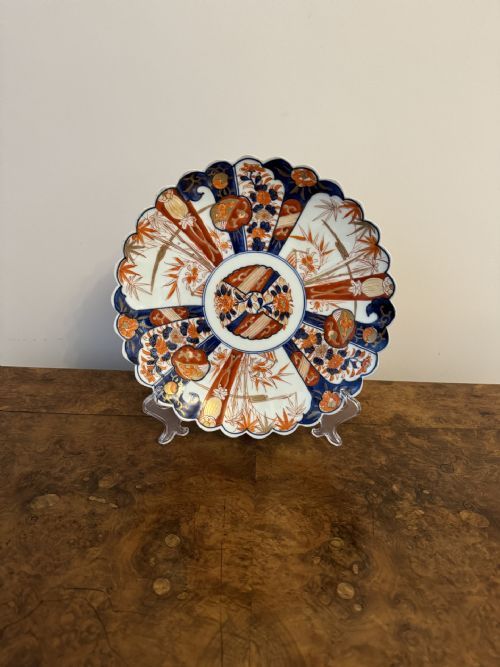
Japanese Floral Display Charger
A japanese floral display charger brings intricate hand-painted motifs and rich porcelain craftsmanship directly into modern interiors.
Japanese Floral Display Charger
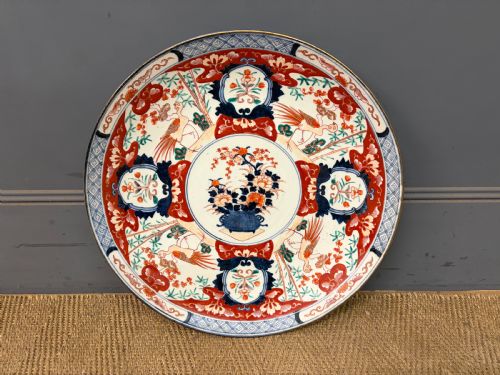
A japanese floral display charger is a wide, decorative plate designed primarily for visual impact rather than dining use. These substantial pieces frequently measure twelve inches or more across, creating a commanding presence when mounted on walls or supported on display stands.
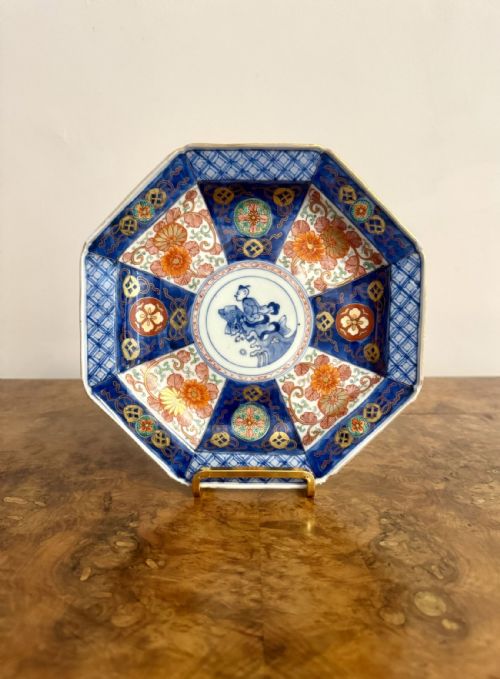
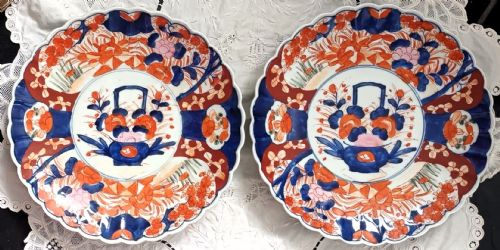
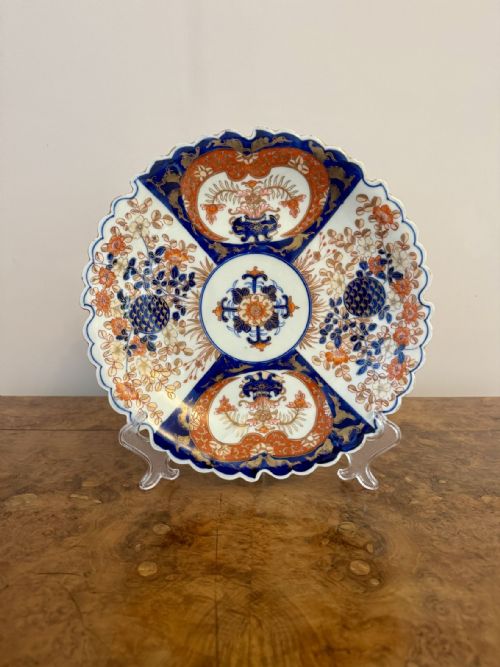
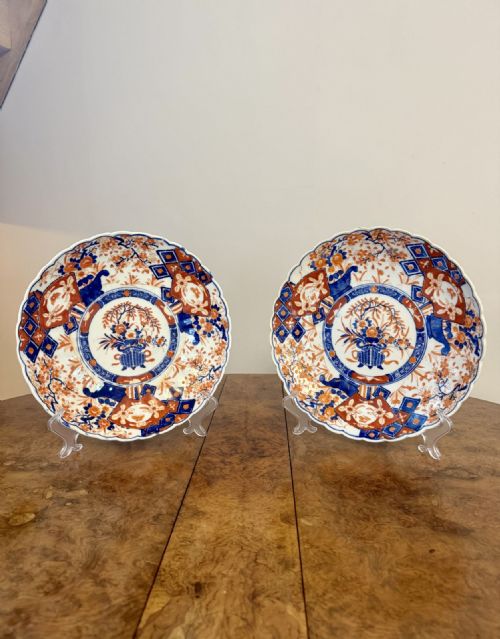
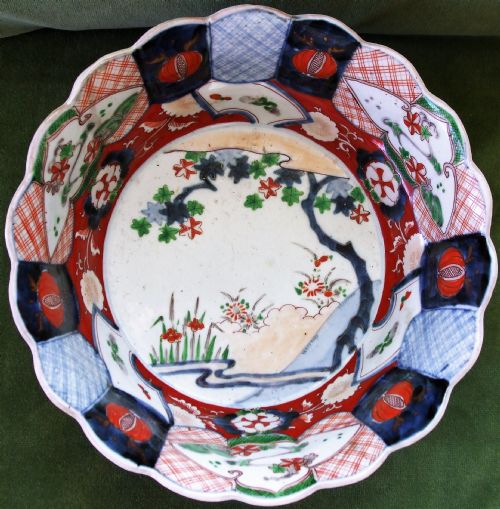
The pieces appearing on this page stem predominantly from the late nineteenth century, spanning the Meiji period and Victorian eras. Alongside traditional circular chargers, buyers will find scalloped edges, hexagonal forms, and square plates decorated with floral and avian subjects.
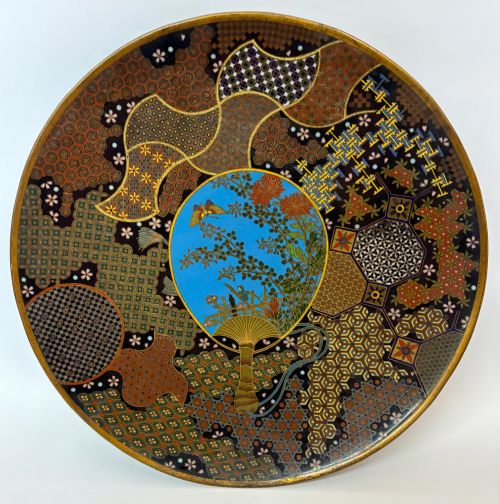
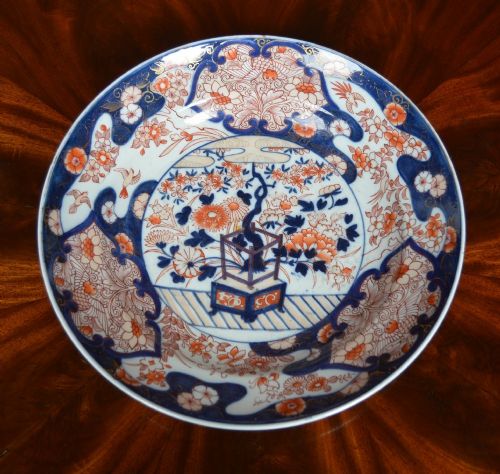
Imari porcelain dominates the selection, celebrated for its distinctive cobalt blue and iron red palette often heightened with gold leaf. Cloisonné enamel examples featuring chrysanthemums and birds also appear, representing the diverse decorative arts exported from Japan during this period.
Materials and Techniques
Potters shaped fine porcelain bodies by hand before applying cobalt underglaze pigments for the foundational blue tones. Artisans then added rich iron red, green, and gold leaf details through subsequent firings to achieve the layered Imari aesthetic.
Cloisonné pieces utilised thin copper or brass wires soldered to metal bases to form individual cells. These compartments were packed with coloured enamel pastes and fired multiple times before grinding and polishing to a smooth finish.
Japanese Floral Display Charger Retail Price Guide 2026
Typical asking prices for japanese floral display charger among the pieces listed under this phrase on Sellingantiques today, from the lower quarter to the upper quarter. They describe what is for sale here now, not the wider market.
Listings feature periods from the Edo period and Meiji era through to the Edwardian years, utilising porcelain, copper, and cloisonné enamel.
Evaluating Quality and Execution
The hierarchy of quality rests primarily on the precision and density of the hand-painted brushwork. Superior chargers display crisp botanical details, harmonious colour saturation, and meticulous control of the cobalt underglaze without blurring.
The inclusion of genuine gold leaf and complex border patterns elevates a piece above standard production wares. Additionally, uncommon forms such as hexagonal or heavily scalloped edges demonstrate greater technical ambition from the workshop.
The Japanese Floral Display Charger Glossary
- Imari
- A style of Japanese porcelain featuring a distinctive palette of cobalt blue and iron red, frequently accented with gilding. Originating from the town of Arita, these wares were heavily exported to Europe.
- Meiji Period
- The era in Japanese history spanning from 1868 to 1912, characterised by the opening of trade with the West. Objects from this time often exhibit exceptional decorative refinement.
- Cloisonné
- An enamel technique where metal wires create compartments on a copper or brass base to hold coloured glass pastes. The surface is subsequently fired and polished flat.
- Charger
- A large decorative plate traditionally used for ceremonial display or service rather than daily dining. These substantial pieces form the focal point of many traditional decorative arrangements.
- Cobalt Underglaze
- A blue pigment applied to raw porcelain pottery before the application of a clear glaze and high-temperature firing. This technique protects the intricate painted design from wear over time.
Japanese Floral Display Charger: Frequently Asked Questions
How were antique chargers displayed?
These large plates were traditionally hung on walls using specialised wire hangers or supported on heavy wooden display stands in principal rooms.
Their substantial size and vibrant hand-painted surfaces made them ideal centerpieces for interior decoration during the nineteenth century.
Can I use these chargers for food?
These antique display pieces are intended purely for visual appreciation rather than functional dining use. Older glazes and mineral pigments can be sensitive to modern detergents and cutlery.
Displaying them on stands or mounting them securely protects the delicate hand-painted surfaces from accidental damage.
How do I identify Meiji period pieces?
Meiji period chargers often combine traditional Japanese floral motifs with the technical precision developed for Western export markets. The period spans from 1868 to 1912 and encompasses both fine Imari porcelain and intricate cloisonné enamel.
Examining the foot ring and the quality of the brushwork helps distinguish these works from later reproductions.
What is Imari porcelain?
Imari refers to Japanese export porcelain shipped from the port of Imari, featuring a characteristic palette of cobalt blue and rust red. Artisans frequently enhanced these designs with generous applications of gold leaf.
The resulting high-contrast patterns made these ceramics immensely popular in European interiors from the nineteenth century onward.