

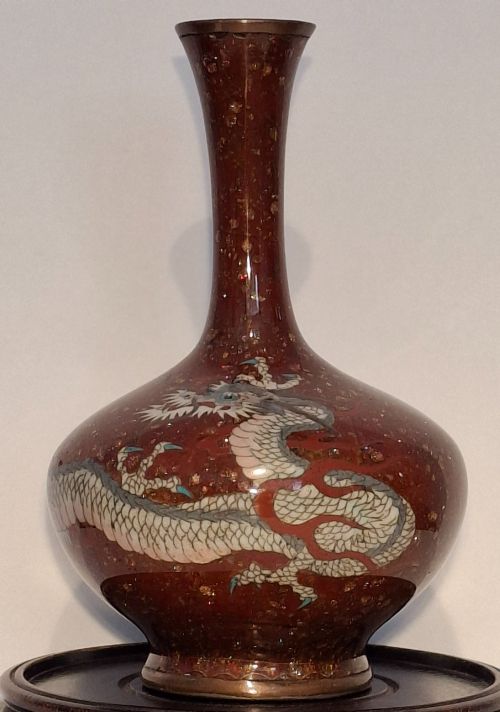
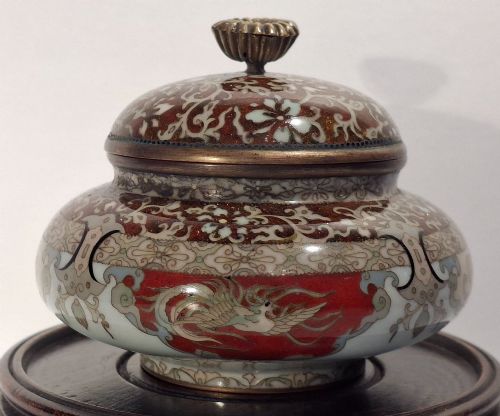
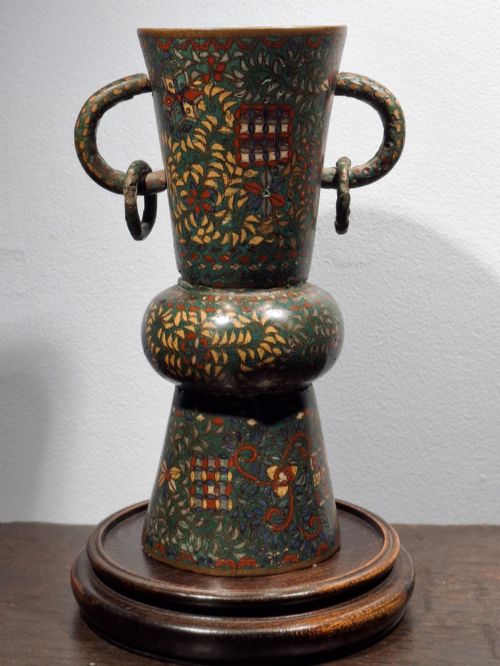


Japanese Enamel Bronze Vessel
These japanese enamel bronze vessel examples combine metalwork and vitreous colour, sought after by collectors for their intricate surface decoration.
Japanese Enamel Bronze Vessel
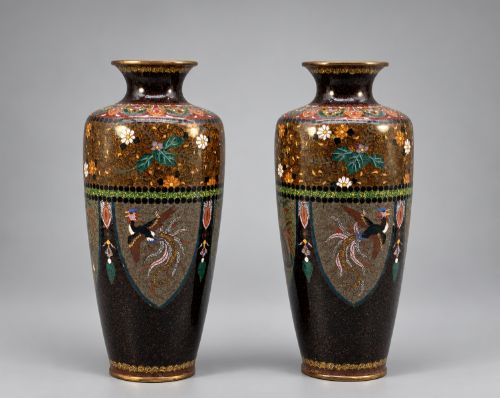
A japanese enamel bronze vessel encompasses a diverse range of forms, from large vases and planters to smaller sake kettles, hanging boat koro, and lidded ginger jars. These items emerge primarily from the 19th century, drawing upon the Meiji and Edo periods of Japanese craftsmanship.
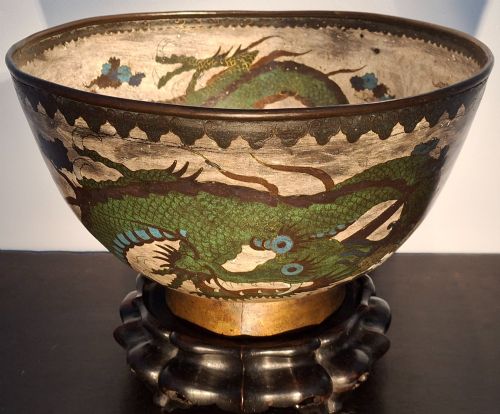
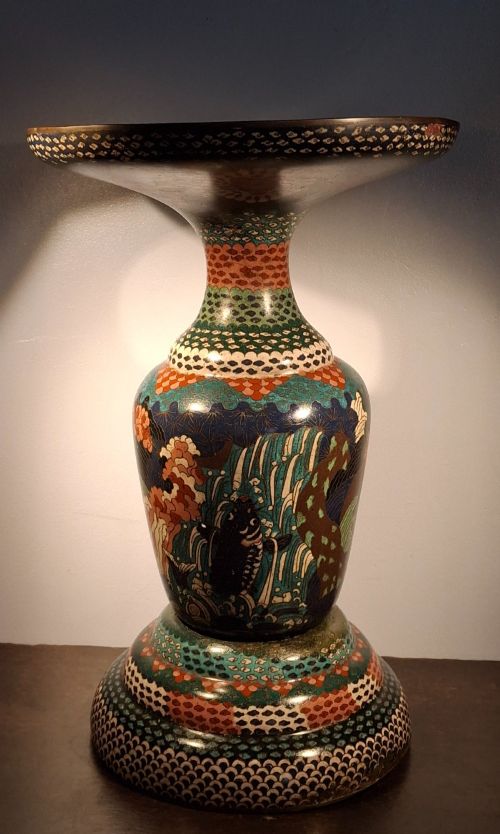
Buyers frequently encounter tall vases, table lamps, and decorative bowls utilising these metallic and vitreous surfaces. The selection also includes archaic styles and large scale pedestal vessels alongside practical vessels like incense burners.
Materials and construction
The foundation of a japanese enamel bronze vessel relies on cast or worked bronze, copper, copper alloy, brass, and occasionally cast iron. Metalwork forms the core skeletal structure for the piece before surface ornamentation begins.
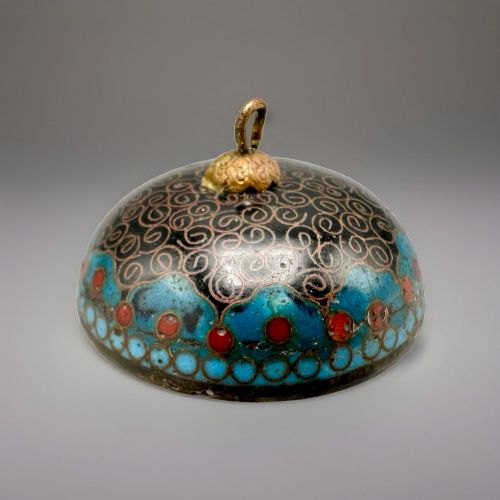
Decoration is achieved through techniques such as cloisonne and champleve enamel, where vitreous pastes fill wire cells or recessed channels. Artisans then fire and polish these surfaces, sometimes incorporating cord details.
Japanese Enamel Bronze Vessel Retail Price Guide 2026
Typical asking prices for japanese enamel bronze vessel among the pieces listed under this phrase on Sellingantiques today, from the lower quarter to the upper quarter. They describe what is for sale here now, not the wider market.
Listings span the Edo and Meiji periods, utilising bronze, copper, brass, cast iron, and cord alongside cloisonne and champleve enamel.
Distinctions in craftsmanship
The execution of the enamel work dictates much of the visual success, with finer pieces displaying precise cell work and uniform polishing across complex curved surfaces. Greater scale and ambition, such as massive vases depicting koi or archaic motifs, separate standard production from more substantial works.
The integration between the bronze armature and the applied enamel reveals the maker's hand. Superior examples maintain crisp lines in champleve relief and smooth, flaw-resistant vitreous fields.
The Japanese Enamel Bronze Vessel Glossary
- Cloisonne
- Enamel decoration where thin metal wires are soldered to the metal base to create compartments for coloured paste.
- Champleve
- Enamel technique where troughs or cells are hollowed directly into the bronze surface to receive vitreous enamel.
- Koro
- A traditional Japanese incense burner, often featuring a pierced lid and decorative handles.
- Edo Period
- The period in Japanese history spanning from 1603 to 1868, known for distinct traditional arts and craft development.
- Meiji Period
- The era from 1868 to 1912 characterised by the opening of Japan to Western trade and a flourish of decorative metalwork.
Japanese Enamel Bronze Vessel: Frequently Asked Questions
How do I clean a bronze and enamel vessel?
Dust gently with a soft, dry cloth to protect the delicate vitreous surface and the aged metal patina.
Avoid using liquid cleaners, abrasives, or harsh chemical polishes that can permanently damage the enamel or strip the bronze.
Were these vessels used for display or function?
Many pieces served practical domestic or ritual purposes, such as sake kettles, incense burners, and planters.
Others, including large ornamental vases and ginger jars, were created primarily for interior decoration and display.
What is the difference between cloisonne and champleve?
Cloisonne relies on thin metal wires applied to the surface to form distinct compartments for the coloured enamel paste.
Champleve involves carving or casting depressions directly into the bronze body itself to hold the vitreous material.
How do I identify a Meiji period piece?
Meiji period works date from 1868 to 1912, a time when Japanese metalworkers produced highly detailed export wares.
Look for refined enamel work, dynamic natural motifs like koi, and stylistic traits influenced by international trade.