



Japanese Dog Statue
A Japanese dog statue brings spirited character into a room, offering finely cast bronze and glazed ceramic guardians from the nineteenth and early twentieth centuries.
Japanese Dog Statue
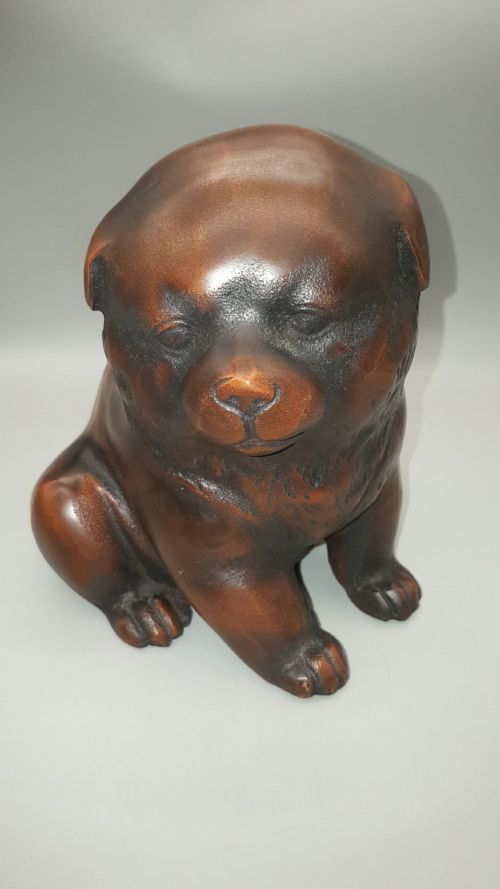
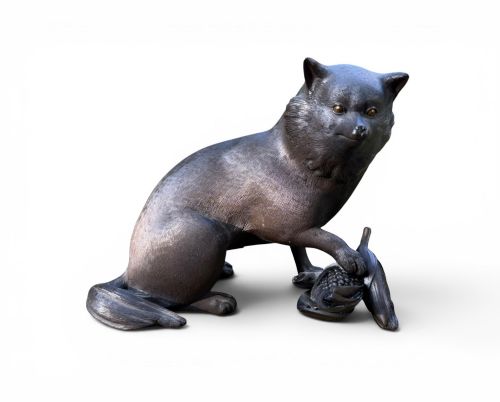
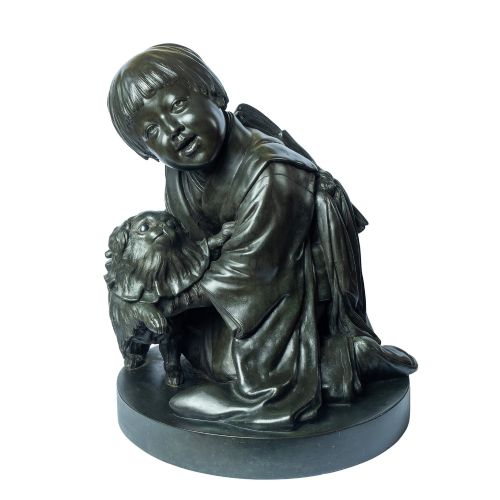
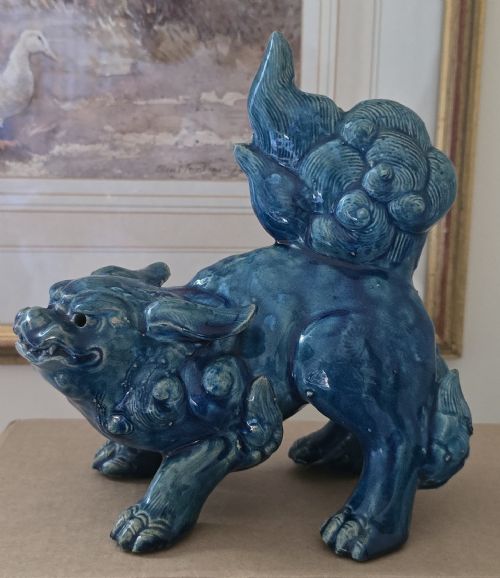
When you search for a japanese dog statue, you encounter a range of sculptural forms spanning fierce mythical guardians and domestic puppies. The selection includes ferocious guardian lions known as shishi or karashishi, alongside playful bronze puppies and realistic breeds like the Akita and French bulldog.
These pieces cross several distinct eras, with the majority originating in the Meiji period and extending into the Showa period. Forms appear as standalone okimono figures or integrated sculptural compositions involving porcelain and earthenware.
Makers utilised diverse regional traditions, resulting in earthenware models from Bizen and polychrome porcelain from Kutani. Each sculpture serves a decorative function, whether guarding a threshold or simply capturing the playful posture of a puppy in bronze.
Assessing quality
Quality rests upon the fidelity of the casting or modelling and the sharpness of the surface detail. Master bronzeworkers achieved lifelike textures in animal hair and natural postures, whereas lesser examples lack anatomical conviction.
In ceramics, the finesse of the glaze application and the control of cobalt underglaze dictate the visual strength of the piece. Well-modelled facial expressions and balanced proportions separate standard decorative items from superior sculptural works.
Japanese Dog Statue Retail Price Guide 2026
Typical asking prices for japanese dog statue among the pieces listed under this phrase on Sellingantiques today, from the lower quarter to the upper quarter. They describe what is for sale here now, not the wider market.
Listings feature bronze, porcelain, and earthenware pieces spanning the nineteenth century and the Meiji and Showa periods.
Tsunemitsu·Shosai·Masaaki·Unno Shomin
The Japanese Dog Statue Glossary
- Shishi
- A mythical guardian lion or lion dog derived from Buddhist tradition, frequently depicted with swirling manes and fierce expressions. They often protect sacred spaces or figures.
- Kutani
- A style of Japanese porcelain known for its colourful painted decoration and distinct glazing traditions. Figures in this style often incorporate rich pigments and gilding.
- Meiji Period
- The era of Japanese history lasting from 1868 to 1912, marked by significant artistic production and international export of metalwork and ceramics. Many sculptural figures date from this timeframe.
- Bizen
- A type of unglazed stoneware produced in Bizen province, celebrated for its natural reddish-brown body and kiln-fire markings. Models from this tradition rely on the purity of the clay and simple firing effects.
Japanese Dog Statue: Frequently Asked Questions
What is a shishi statue?
A shishi is a traditional guardian lion dog derived from Buddhist iconography, often depicted with a curly mane and an alert posture. These figures were designed to ward off evil spirits.
In domestic settings, they function as decorative sculptures made from porcelain, bronze, or glazed earthenware.
How old are these sculptures?
The majority of these pieces date from the nineteenth century and the Meiji period, with some examples extending into the early twentieth century.
Materials and stylistic details help place them within specific historical manufacturing traditions.
Where were these figures made?
They originated in Japan across various regional kilns and metalworking workshops, reflecting local ceramic and casting practices.
Different provinces developed distinct styles, such as the porcelain output of Kutani or the stoneware traditions of Bizen.
How do I display a bronze puppy?
These small bronze okimono suit tabletops, sideboards, and display cabinets where their detailed casting can be appreciated close up.
Placed on a stable surface, they require minimal maintenance beyond gentle dusting.